
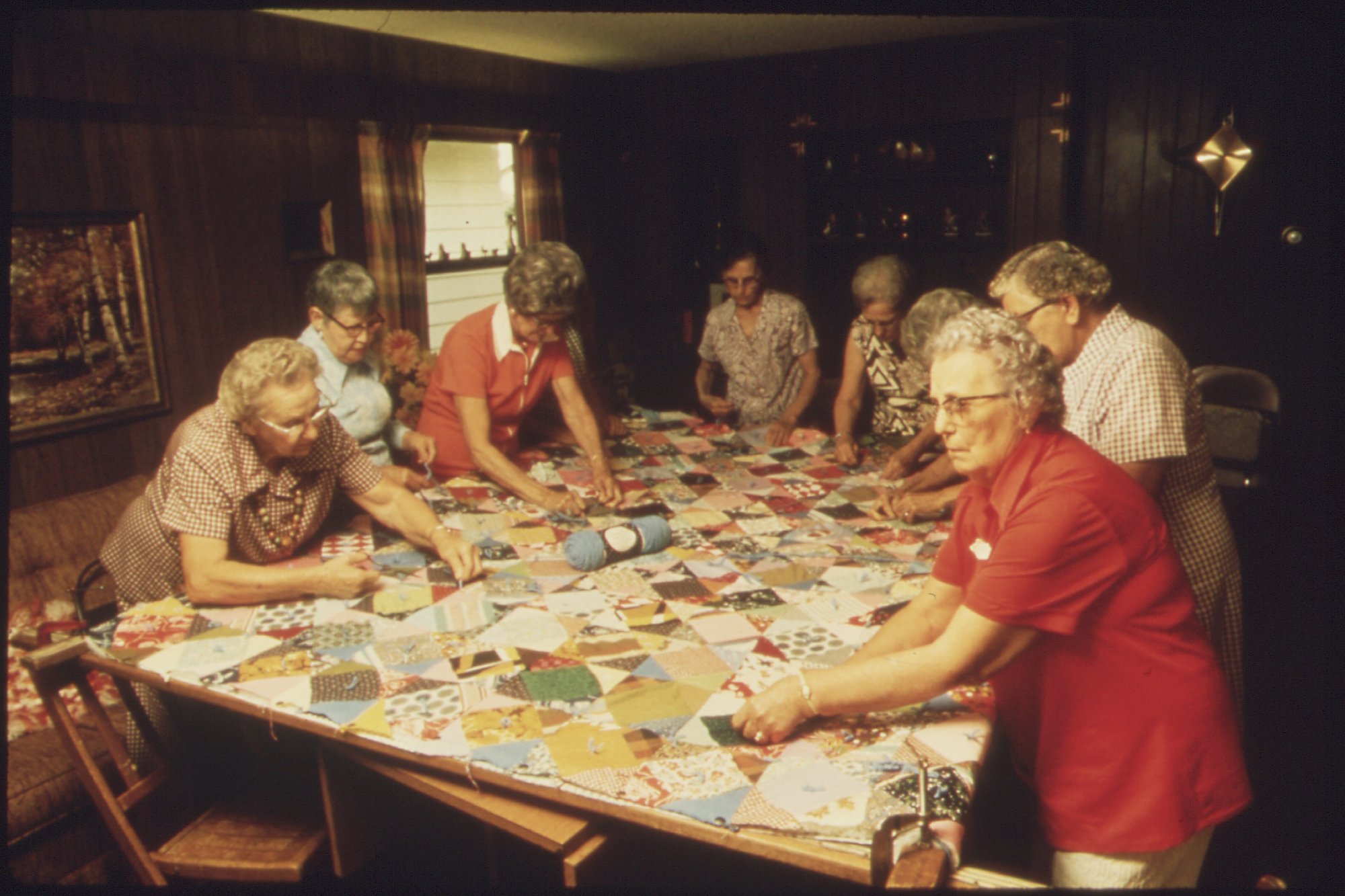
Today, it’s easy to pick up your phone, start scrolling, and look up hours later, only to realize you’ve lost a chunk of your day. In the 70s and 80s, you could still lose an afternoon, but what you did was very different from staring at a screen.
After disappearing into a hobby like needlepoint or bowling, you wouldn’t come away empty-handed. Your reward was the finished craft or high score you finally achieved. And even if you didn’t finish what you were making, you could often see what you had been working on.
People certainly had plenty of ways to waste time in the 70s and 80s. But they also had hobbies that gave them something to make, practice, collect, or do with others.
1. Macramé
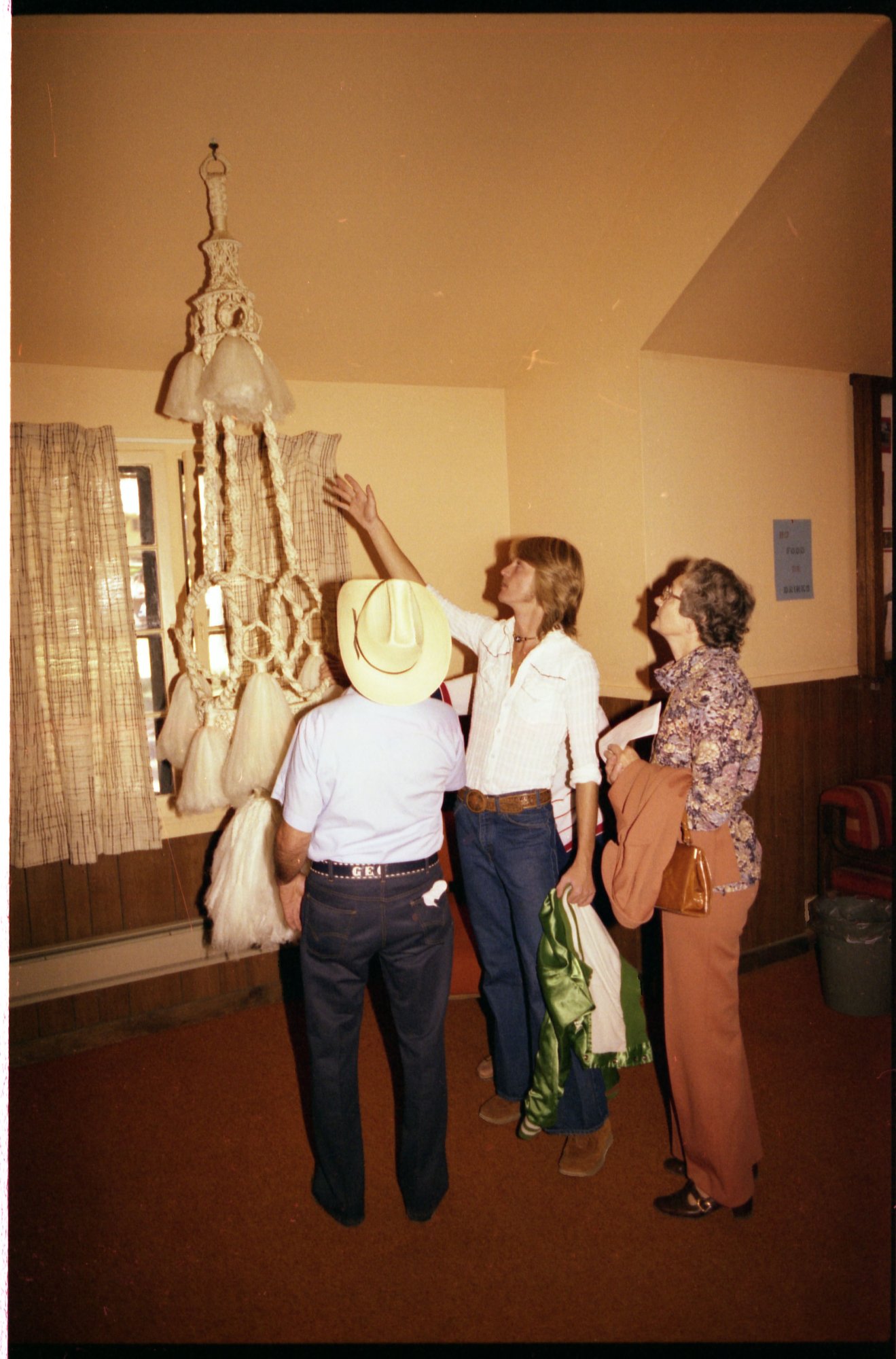
When you started a macramé project, looking at the materials laid out in front of you didn’t always inspire the utmost confidence. After all, how was a plain piece of cord supposed to become anything remotely impressive?
But you threw caution to the wind and followed the directions to make that overly ambitious plant hanger that later took up a corner of the kitchen. You spent hours measuring, cutting, adding wooden beads, and making repetitive knots, only to find that one side of your project was a whole three inches longer than the other!
Macramé wasn’t originally created in the 70s, but it certainly experienced a revival during that era. Every knot you made in the useless-looking cord made the bundle look more like what you were trying to create. It might have been frustrating while you were doing it, but when you were done, you had something to show for your efforts.
2. Latch-Hook Rugs
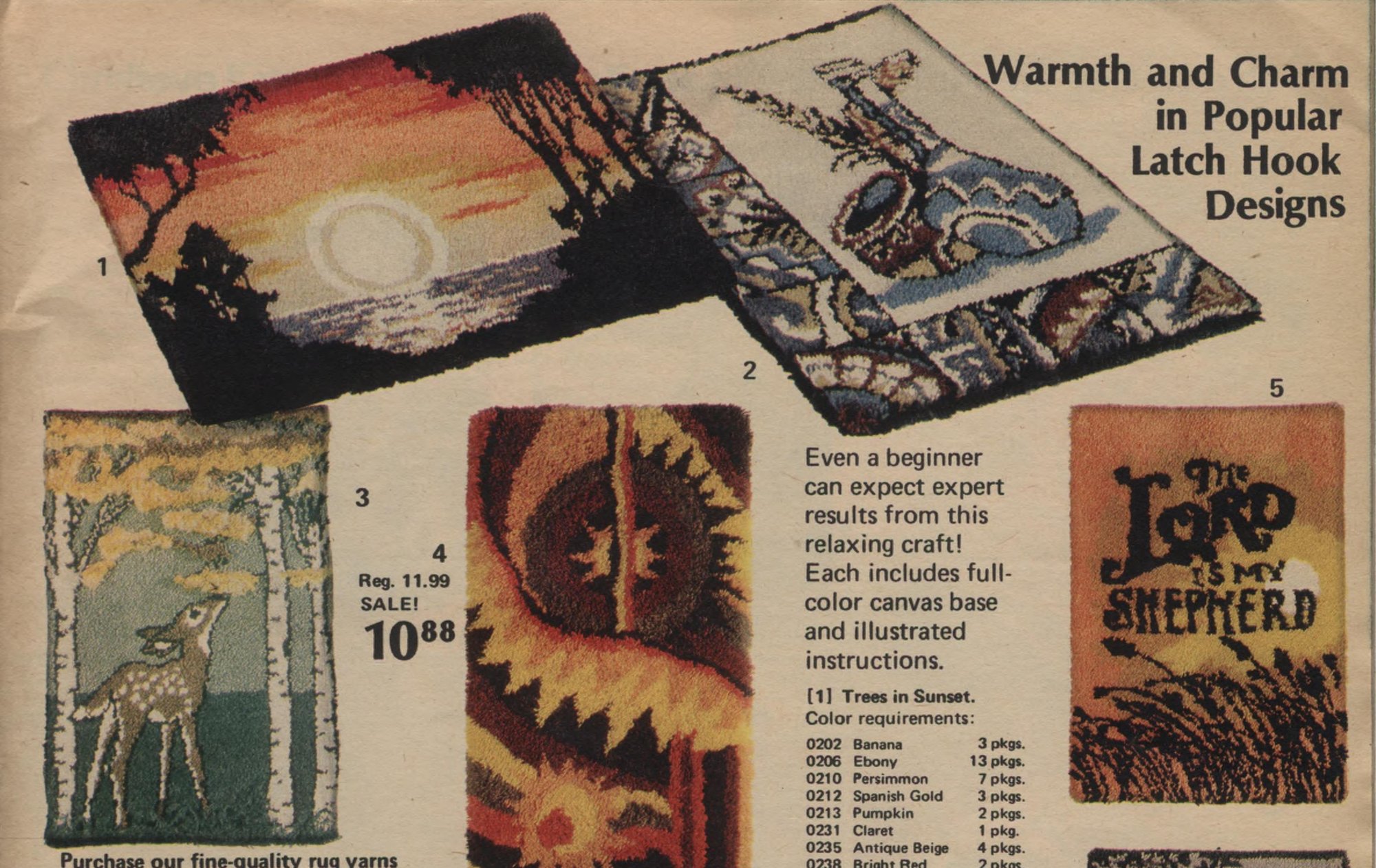
Starting a latch-hook kit could be a bit overwhelming at first. When you opened the package, you were greeted by a rough, printed canvas and a bunch of short pieces of yarn. According to the directions, you were supposed to be able to mash them together with a strange-looking tool to make art. Despite your initial doubts that anything resembling an image would ever appear on your canvas, a scene slowly started to take shape in front of you.
There were a lot of tiny pieces that went into a completed rug. That meant making the same exact motion over and over again. The bigger the project, the more yarn you had to work into the canvas. It’s no wonder a few projects went unfinished here and there.
It was easy to spend hours on one tiny corner of a latch-hook rug, only to look up and wonder how you’d filled in just two square inches of canvas. Despite the potential for frustration, these kits were popular among crafters in the 70s.
3. Building Model Kits
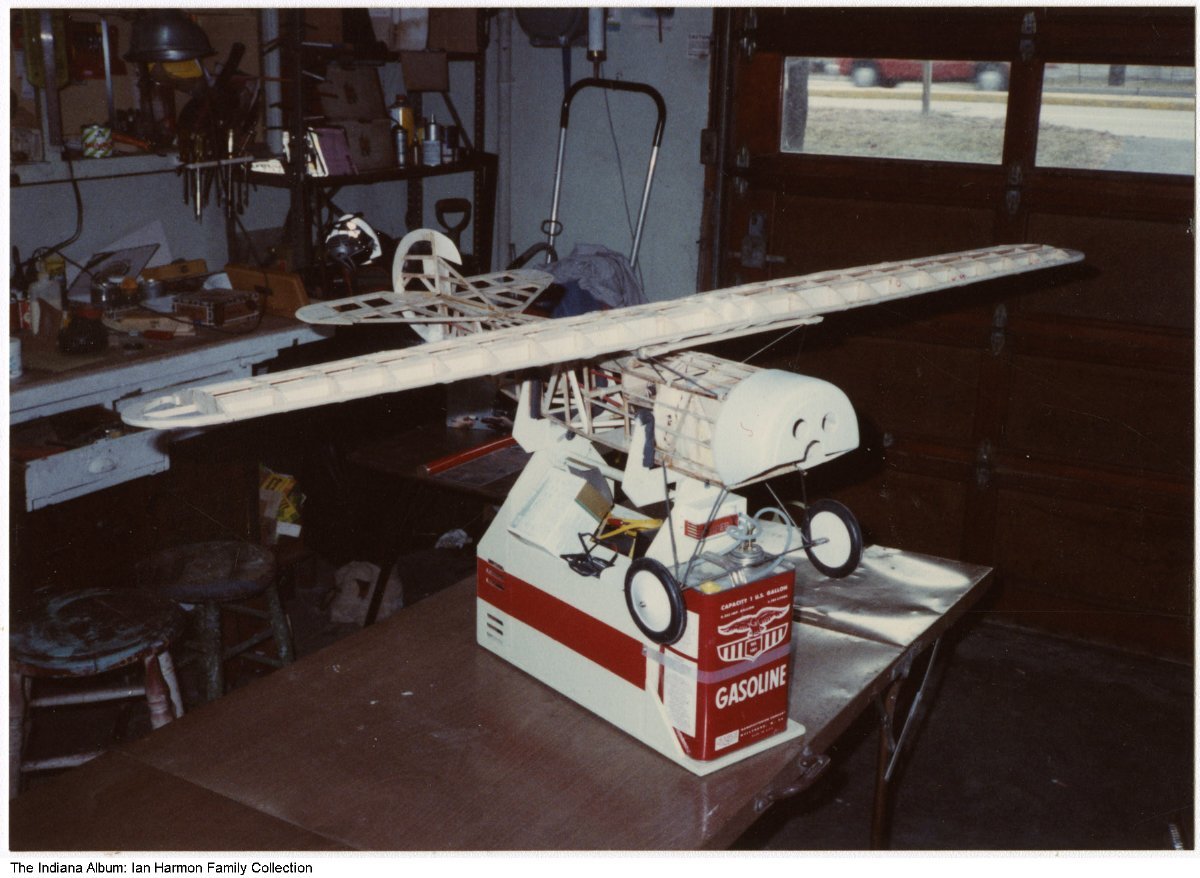
Model kits came in all shapes and sizes, ranging from cars and military vehicles to ships and airplanes. Many of the boxes came with stunning artwork of the project you thought you were about to complete. Then, you got the box home and reality set in. Inside was a bunch of tiny plastic pieces, decals, and a lot more work than the box let on.
During assembly, precision and patience were key. One slightly off-center piece could create problems for everything that came after. Many kits from the 70s and 80s included painting guidance and decals. While those finishing touches gave the model its completed look, they could certainly be a pain to put on.
Despite the challenges involved, when you were done, you didn’t just have a picture to look at. Instead, you had a mini version of a car, plane, or ship that you assembled all on your own.
Price Check
- $4.97 for a macramé owl kit in the 1979 Sears Wish Book: 270 feet of cord, beads, dowels and rings, enough for the owl and two 30-inch plant hangers.
- 99 cents for the latch hook itself in 1979, sold separately from the canvas kits. By 1982 a 33-by-24-inch Sears latch-hook rug kit was $24.99 and the hook was $1.19.
- $9.47 for a Visible B-17 Flying Fortress model kit of more than 142 pieces, decals included, in the 1979 Sears Wish Book. Glue not included.
- 15 cents for a 1977 pack of Topps Star Wars cards: seven cards, one sticker and a stick of gum. A box of 36 packs was $5.40.
4. Roller Skating
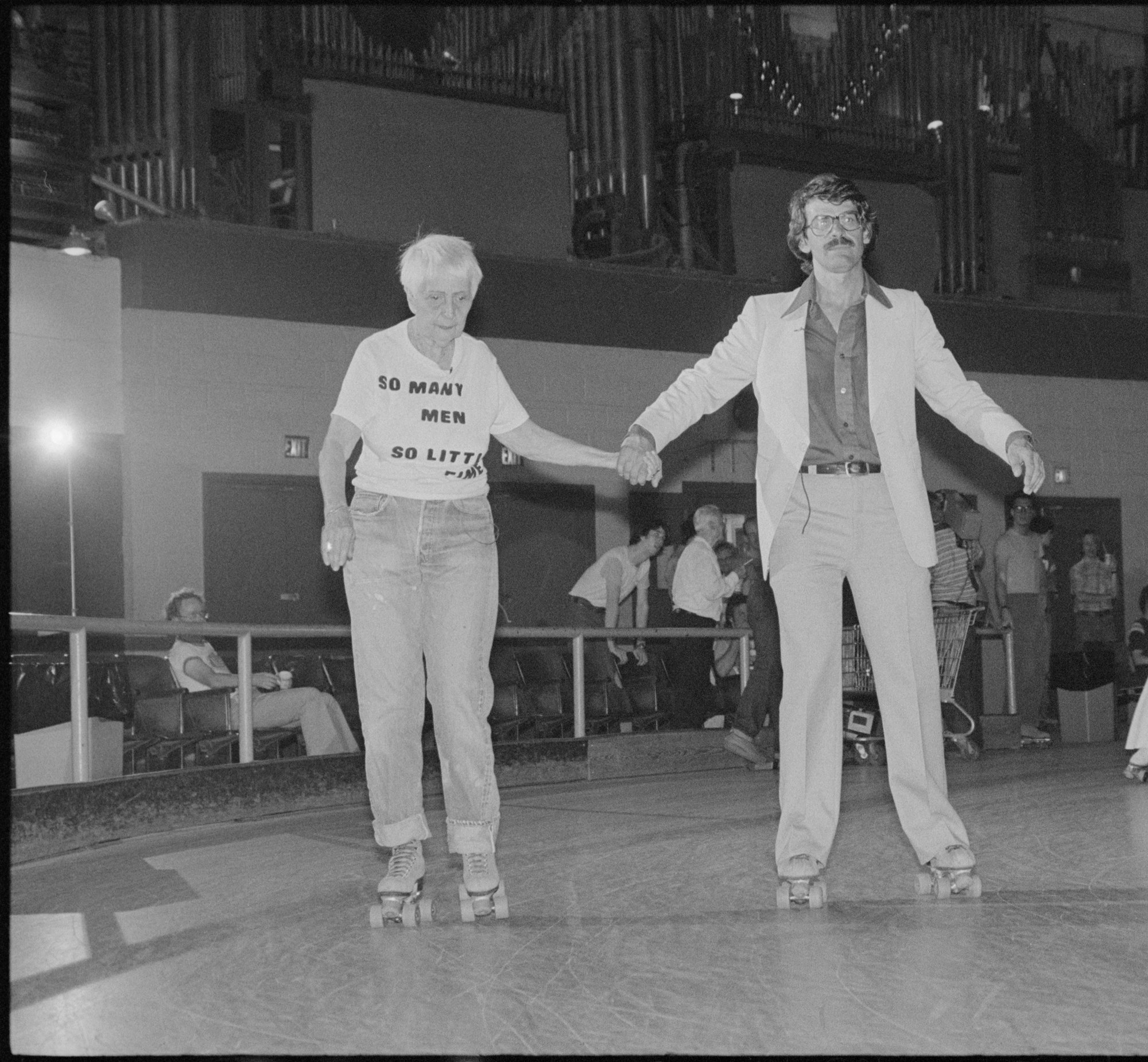
Going skating was an activity, not just transportation on wheels. It involved lacing up your quad skates, getting your balance, practicing the turns, and skating with friends. While some skaters preferred the lights and music of roller disco, many enjoyed gliding down the neighborhood sidewalks.
Of course, to skate anywhere, you had to get over that awkward period between putting the skates on and remembering how to stay upright. And while you were doing that, someone else was gliding around like they were born on eight wheels.
The social aspect of skating was part of the appeal, especially at roller rinks, where you could skate for hours to the latest music with your friends. Music had long been a fixture at the rinks, but the disco craze of the 70s took that combination to a whole new level with roller disco.
5. Collecting and Trading Cards
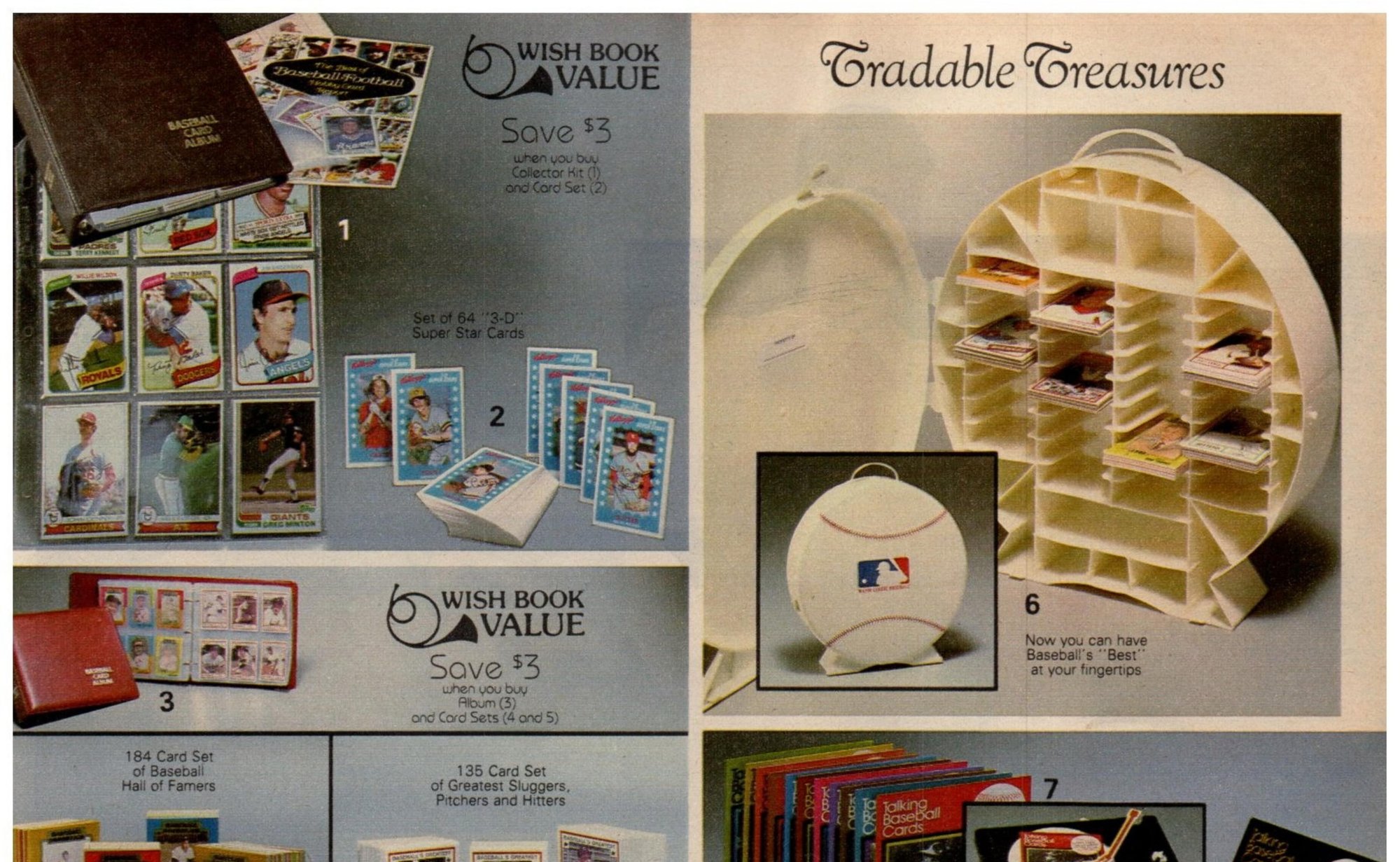
You never knew what you were going to find when you opened that pack of cards. Would you finally get that card you’d been missing, or would it be just another copy of the same old thing?
Even if you found a duplicate, it wasn’t necessarily a bad thing. Part of the fun was spreading out your collection and sorting through what you already had. You could see which cards were still missing and which duplicates might be worth trading through negotiated swaps with friends.
Collectors weren’t limited to sports fans, either. You could find cards for almost anything you liked, including Star Wars. And the satisfaction was instant when you finally found that elusive card you’d been searching for for months.
6. Making Mixtapes
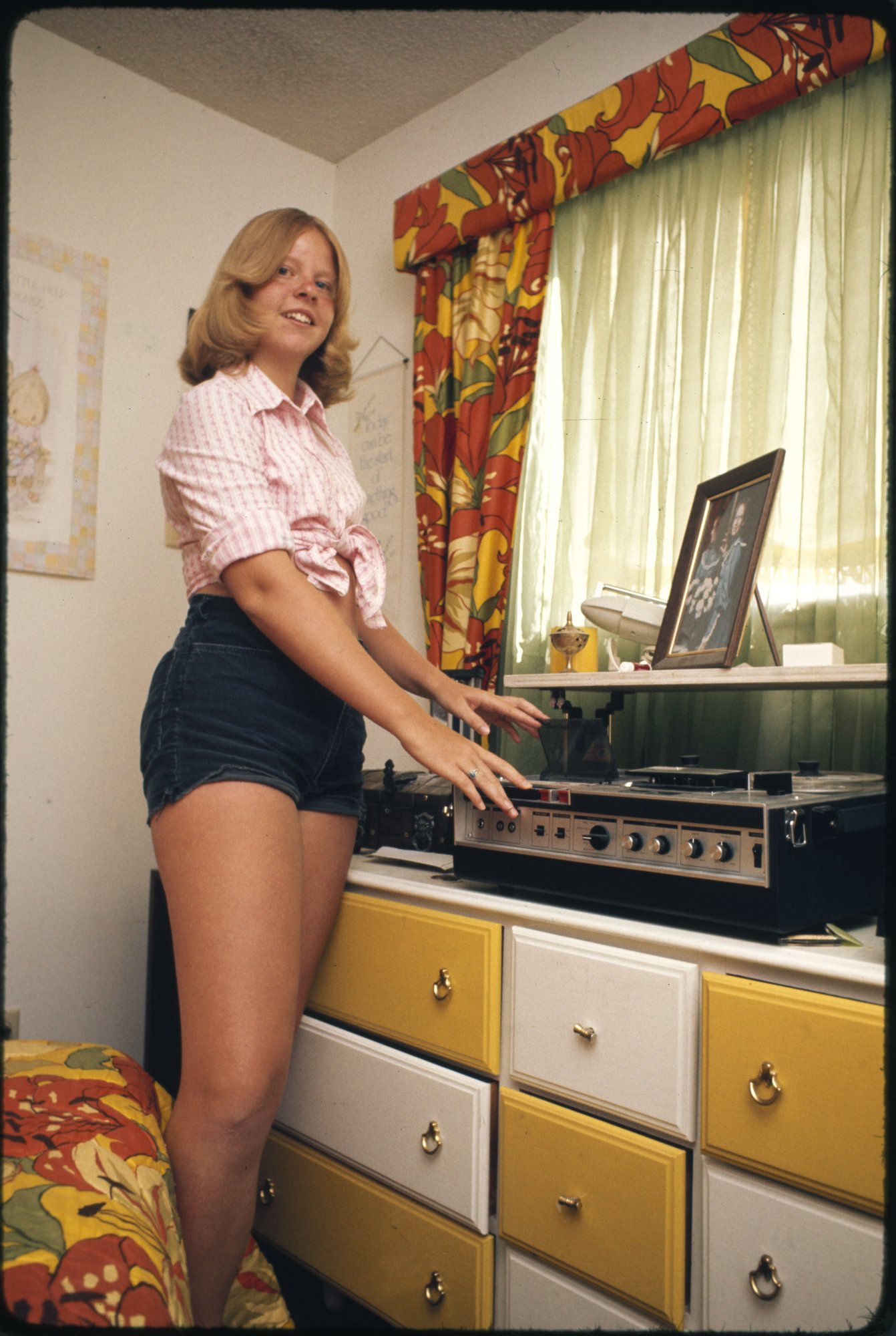
When it came to making mixtapes, you were the artist and the blank tape was your canvas. You weren’t just listening to music. You were deciding what went together in what order. And the worst part was getting almost to the end of the first side and realizing that the next song just wasn’t going to fit.
Mixtapes were more than your average collection of songs. They could be meaningful gifts for friends or someone you were dating. You could also create the perfect groove to match your mood. The options were nearly limitless since you were in the driver’s seat.
Then, when you were all done, you still had to fill out the cassette insert. And there was nothing more devastating than finishing your track list only to find out you’d missed song number four.
By the Numbers
- 330 cards and 55 stickers: Topps’ Star Wars set ran to five color-bordered series of 66 cards each. The blue-bordered first series arrived in June 1977, and the last two series followed in 1978.
- 20,000 watts: the stereo Brooklyn’s Empire Roller Disco installed in 1980. The rink opened in 1941 in a former parking garage across from Ebbets Field and was the first to replace its organist with a live DJ.
- 3 billion cassettes sold in the format’s first 25 years, by Philips’ count. The company unveiled the Compact Cassette at the Berlin Radio Show on August 30, 1963.
- $200: the price of Sony’s first Walkman when it reached the U.S. in June 1980, briefly badged the Soundabout. The Wall Street Journal reported a month-long wait for back orders.
- $7.29 for a two-pack of Maxell XL II 90 cassettes in the 1985 Sears Wish Book, or $6.49 for two Memorex HB II 90s.
7. Needlepoint and Cross-Stitch
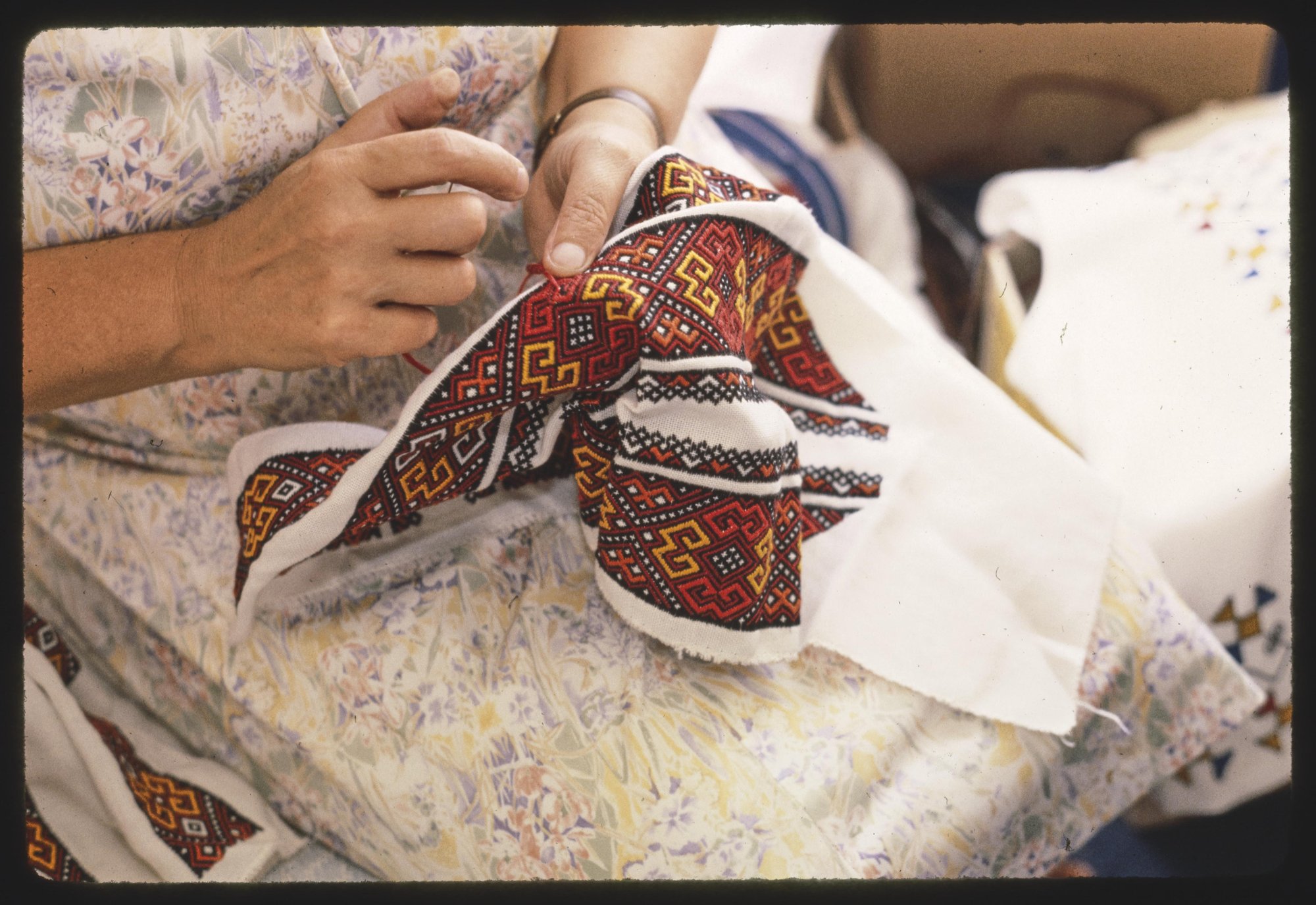
The picture on the package looked beautiful. The reality in front of you was quite a bit different: fabric, several colors of thread, a needle, and an intimidating number of tiny squares. Somehow, all that was supposed to come together to make a recognizable image.
With needlepoint, crafters filled their canvases with different stitches, while cross-stitch formed an image one X at a time. And anyone who enjoyed either knew the frustration of knotting their thread mid-stitch.
A few stitches might not have looked like much at the beginning, but over time you could recognize the scene you were sewing. When you were all done, there was an actual piece of needlework in front of you that you made.
Needlework was by no means a fresh, new hobby in the 70s and 80s, but needlepoint enjoyed renewed popularity during the era.
8. Growing a Stamp Collection
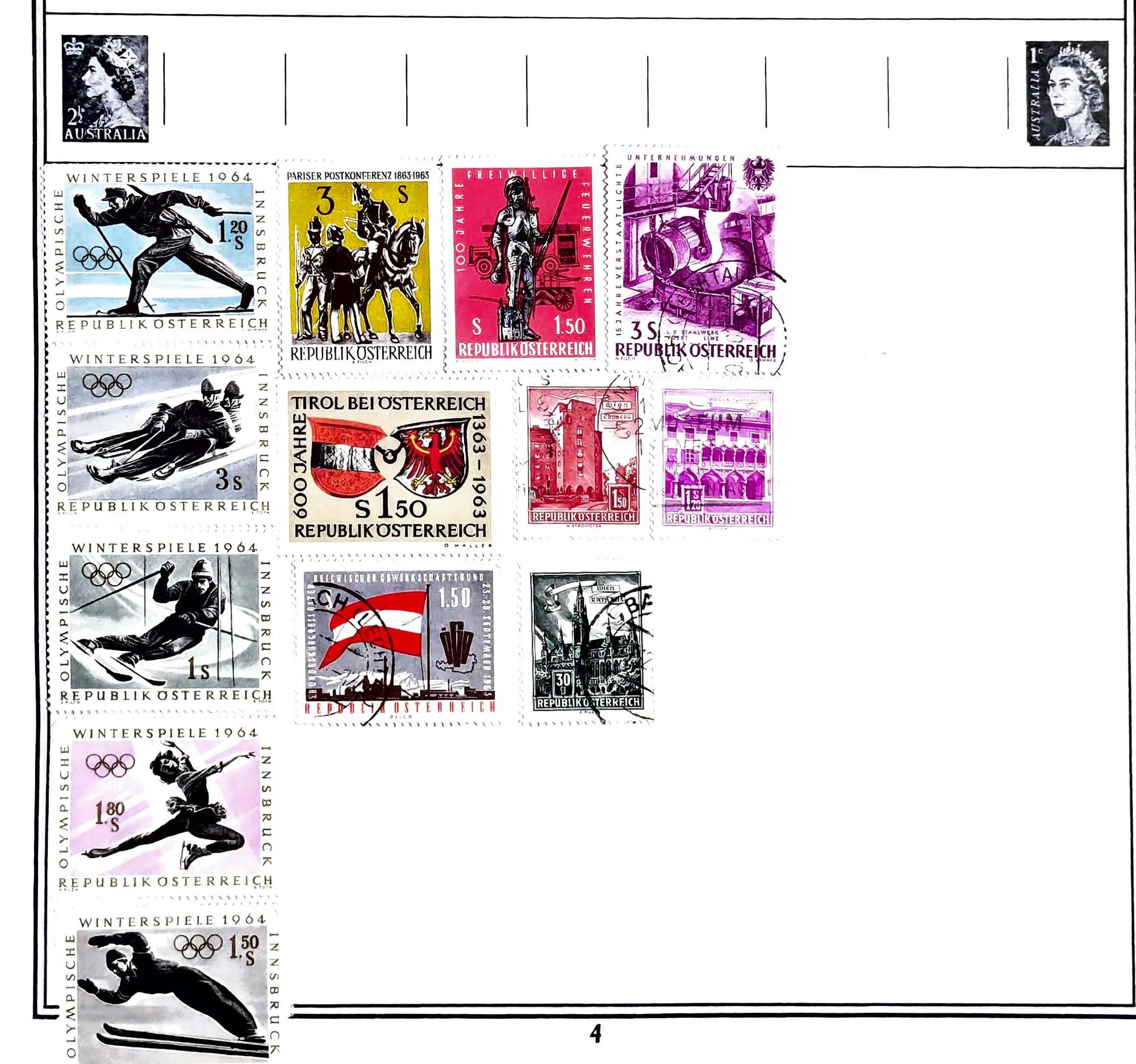
If you were a stamp collector, any blank spots in your album could be maddening. This was especially true for the albums that designated spaces for particular stamps. Once you knew what went there, it was hard not to become obsessed with filling every gap. There was an entire process of sorting and arranging them in an album with stamp hinges or mounts.
Part of collecting was learning about the history of the stamp. Some collectors focused on international stamps, while others built collections around animals, famous people, flowers, or art. In other words, finding a new stamp didn’t mean you simply had another one for the book.
Duplicates were ideal for trading and comparing stamps with other collectors. If you were missing a particular piece for your album, your extra copies might just net you what you needed.
9. Building Dollhouses and Miniature Rooms
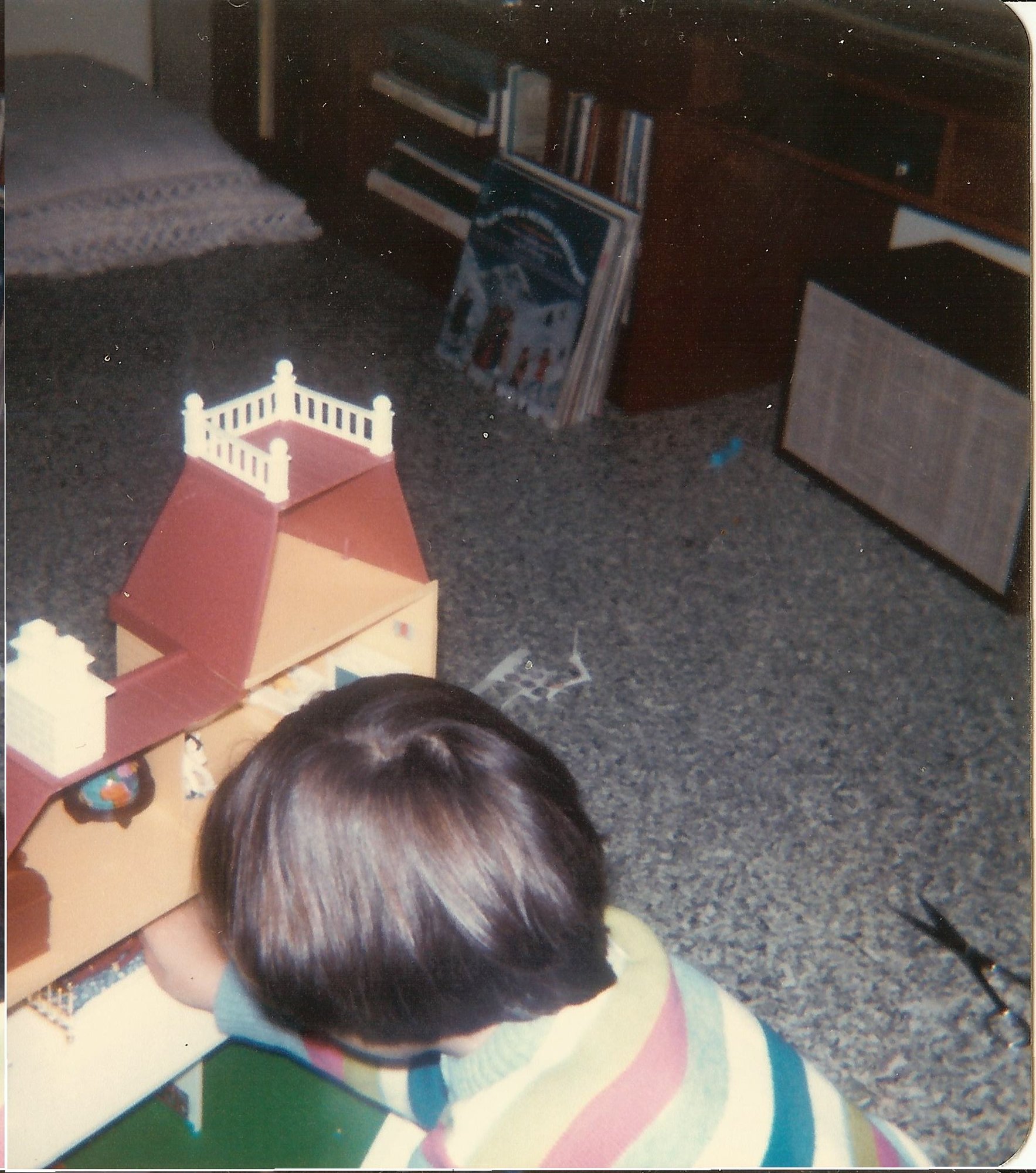
Building a dollhouse was only the beginning. Once you had the structure up, you still had all the interior details to take care of. That tiny furniture might have seemed absurd at first, but getting drawn into making the room as convincing as possible was part of the fun.
A chair being off by a fraction of an inch suddenly mattered. After you sorted that out, you still had the wallpaper to hang and decor to match. Unlike dollhouses built for children’s play, hobbyists could also build individual miniature rooms.
This miniature hobby underwent a substantial revival in America in the 1970s. The National Association of Miniature Enthusiasts was founded in 1972 around the hobby. At the same time, dollhouses were not for hobbyists alone. Children used them to create spaces for their dolls and imaginative stories.
One thing was certain: spending an absurd amount of time deciding where to put a chair apparently became completely reasonable once the chair was two inches tall.
Did You Know?
The National Association of Miniature Enthusiasts started with a midnight meeting. Collectors who found each other at a 1971 doll-club convention in Los Angeles agreed to keep in touch, and on March 19, 1972 they founded NAME with Barbara Mott of Fullerton, California as its first president and four regional chapters. The first national convention was held in Louisville, Kentucky, in 1973, and Vermont kit maker Real Good Toys has been cutting dollhouse kits since that same year. Needlework had its own boom: former NFL lineman Rosey Grier published Rosey Grier’s Needlepoint for Men in 1973, and by 1982 the National Needlework Association counted a knitter, crocheter or stitcher in 36 percent of U.S. households.
10. Film Photography
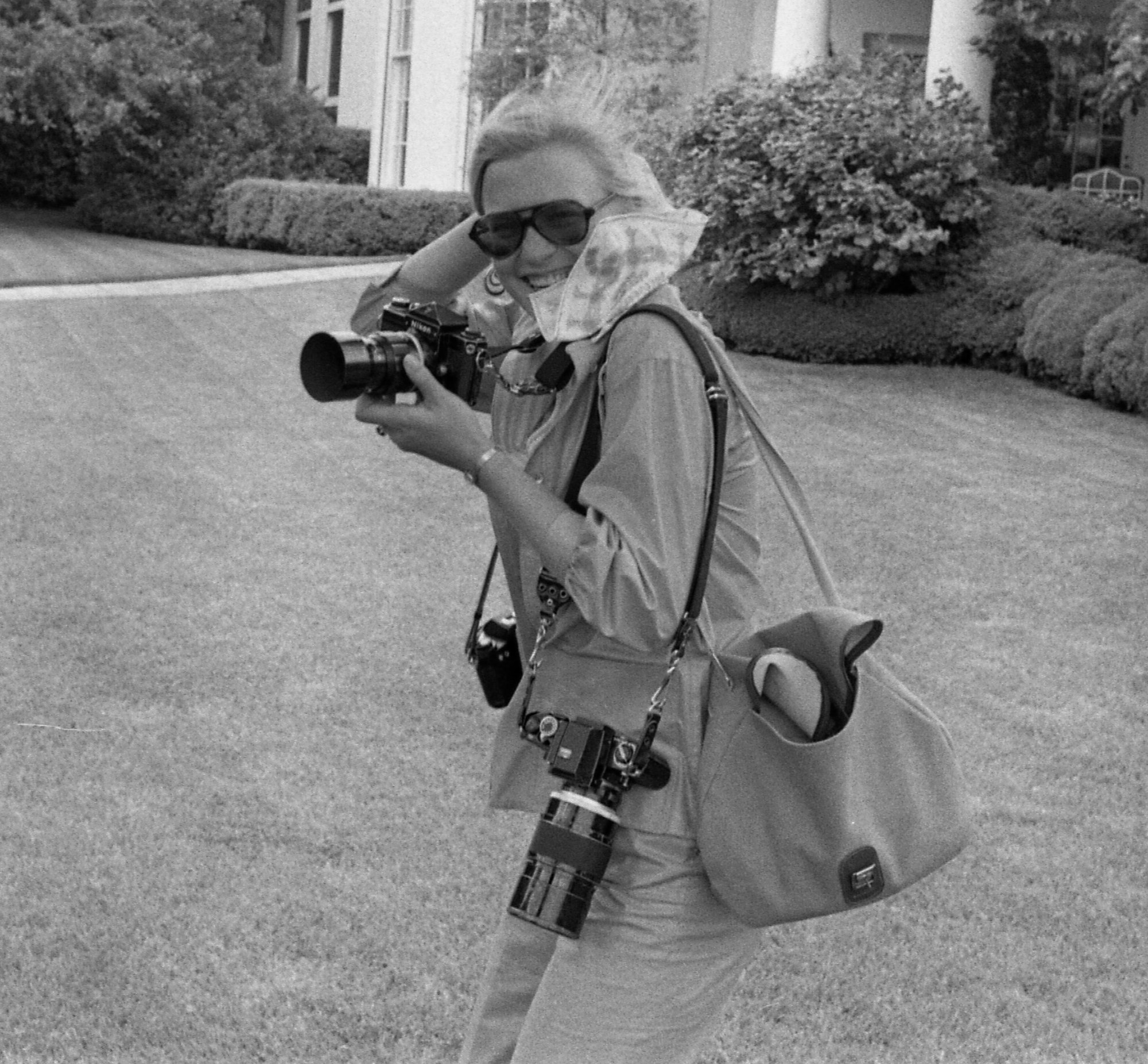
With film, you were limited in the number of photos you could take with each roll. That meant you wanted the right shot the first time. No matter how careful you were, you never knew for sure whether you got what you needed until the film was developed.
Once you filled the roll, you still had to wait to see your handiwork because film photography had no instant preview. When you got the developed photos in your hand, it was time for the big reveal. Did you get the shot you were looking for, or was it all just a blur?
If you were really into photography, you might even take a stab at learning more about exposure, composition, lenses, film types, and printing. Some hobbyists took to developing their own prints in a darkroom, while others relied on professional services.
Unlike today, you couldn’t take 47 shots of the same thing to pick the best one on the spot. You got maybe one or two and hoped for the best when things got developed.
11. Bowling Leagues
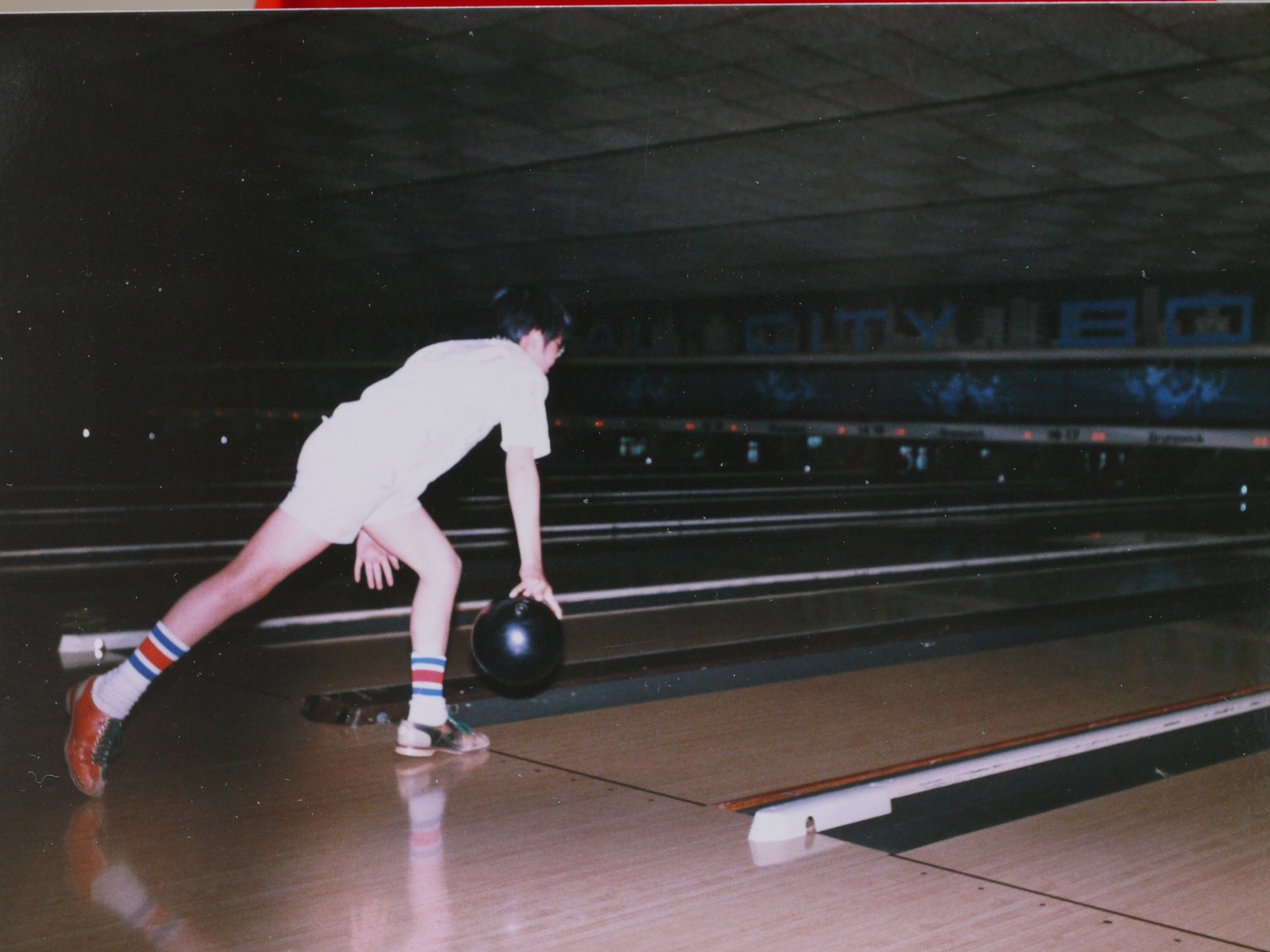
The first order of business with bowling was putting on a pair of shoes that dozens of other people had worn. Strangely enough, we were all pretty much okay with this.
League bowling combined social engagement and competition. It gave you a reason to get out and meet your teammates regularly at the alley. At the same time, it was more than just a hang-out session. You were there to knock the socks off the competition in the next lane over.
Scoring was largely managed by hand on paper or overhead projectors through the 70s. Automatic computerized scoring was introduced in 1967 and expanded during the following decade.
The ultimate reward was getting better with every game, whether that meant breaking a personal scoring barrier or getting a strike when you needed one.
12. Board-Game and Card-Game Nights
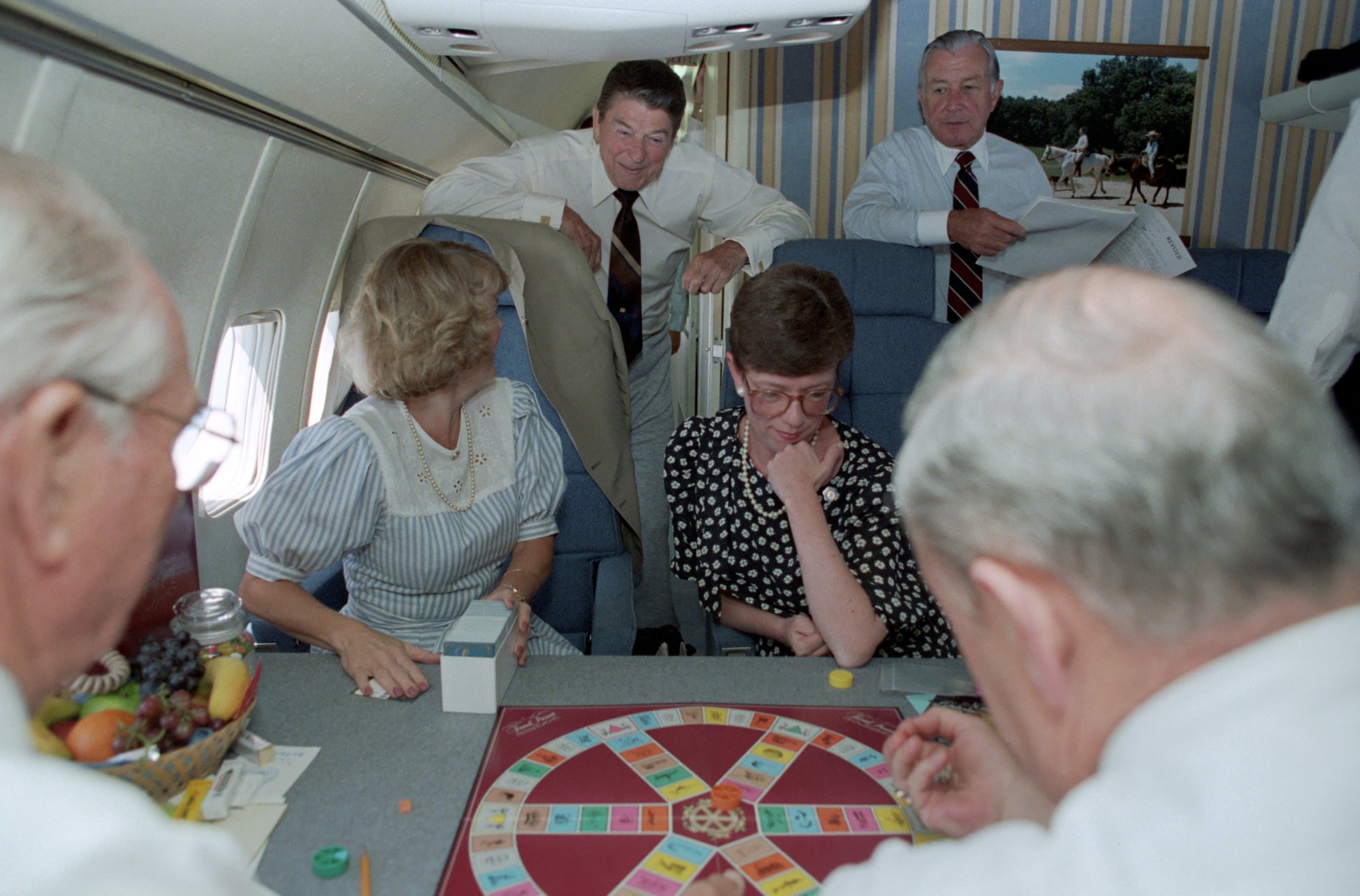
Game night pretty much started the same: friends and family sat around the table, and someone chose the game. Once the rules came out, everyone settled in for an evening of fun. Except, of course, there was always that one person who took things to the extreme.
There were games for every group. In 1971, UNO debuted. It appealed to many because it allowed children and adults to play together. Trivial Pursuit was developed in 1979 but became enormously popular during the 80s, with people hosting entire parties around the game.
Despite the group being friendly, all bets were off once the pieces or cards hit the table. Players developed strategies, and there was always the chance an argument would come up about whether someone was following the rules. Somehow, someone always seemed to be personally offended by a game that came from a cardboard box. Despite those ridiculous arguments, the game gave everyone the excuse they needed to get together.
By the Numbers
- 9.8 million certified league bowlers in the 1978-79 season, the all-time peak. By 1980 the American Bowling Congress and the Women’s International Bowling Congress certified 8,951 centers with 158,769 lanes.
- $3,000 a lane: what Brunswick asked for its Automatic Scorer, unveiled at Village Lanes in Chicago on November 8, 1967. Even the USBC Open Championships kept score by hand until 1979.
- $7.61 to develop and print a 24-exposure roll of 35mm color film at Fotomat in December 1981, with a wait of more than a day. The new one-hour shops charged about $9.68.
- 5,000 decks: Reading, Ohio barber Merle Robbins’ first printing of Uno in 1971, sold from his barbershop. International Games sold its 87 millionth deck in 1991.
- $75: what each of the first 1,100 Trivial Pursuit games cost to make. They sold for $15. By 1984 the game was selling about 20 million copies a year.
Some Hobbies Are Worth Picking Up Again
Plenty of these hobbies are still around, which means you don’t have to be nostalgic for days gone by. Maybe one of them reminded you of that half-finished kit packed away in the closet or another hobby you’d forgotten about. Which hobby would you pick up today, and which ones did you never let go of?
Top photo: A quilting circle at a senior center in New Ulm, Minnesota, July 1974 (National Archives)
Photographs are in the public domain or used under Creative Commons licenses, as credited in each caption. Period advertisements and catalog pages are reproduced as historical documents; their copyrights belong to the companies named.

Leave a Reply