
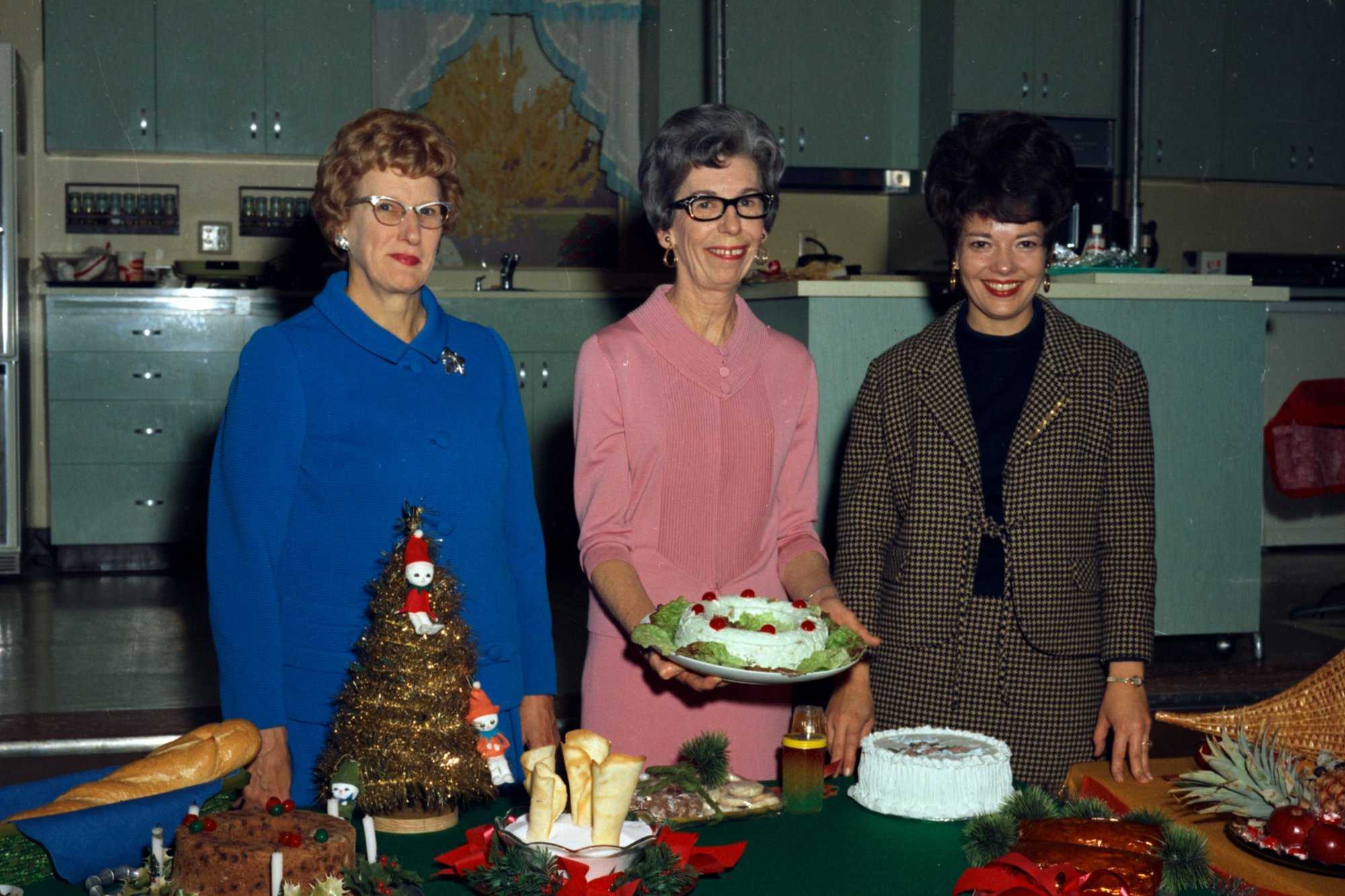
Everybody loves dessert – and there are plenty of retro desserts from eras gone by that we have either never tried as they’ve lost popularity or have never even heard of for the same reasons. Today, we’re going to discuss 10 such recipes from the 1960s that deserve a comeback – and our hope is once you learn about them or refresh your memory with the thought of them, you’ll do just that. Let’s dive right in!
1. Grasshopper Pie
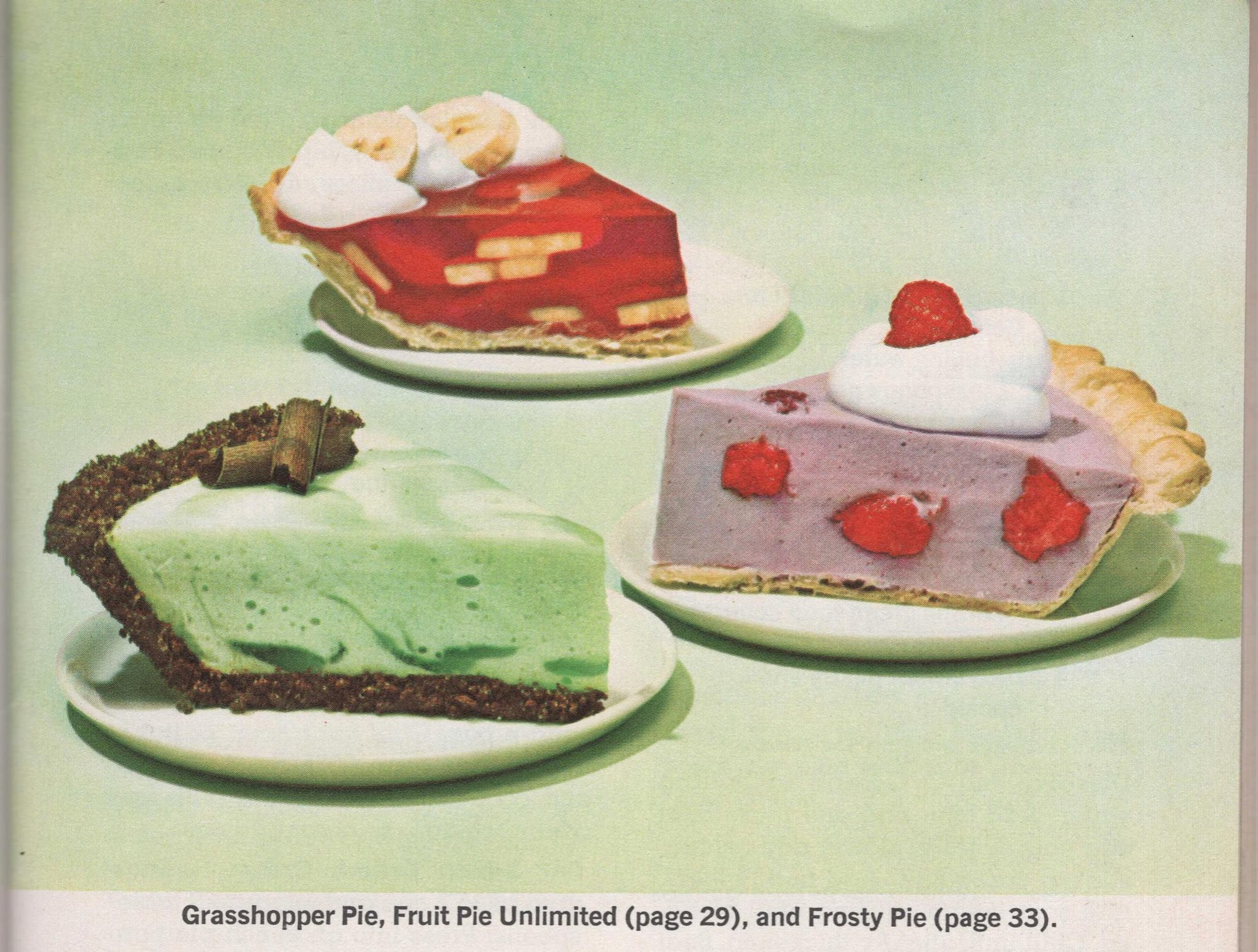
This light green hued pie gets its name from the Grasshopper cocktail made popular in the 1950s and ’60s, and though there are many ways to make them, the color is almost always a dead giveaway to what exactly it is. Traditionally flavored with crème de menthe and crème de cacao liqueur, this pie typically has a chocolate sandwich cookie crust and either a gelatin-based filling or a melted marshmallow filling, making this a great no bake dessert even the kids can get in on.
The great thing about this pie is it’s customizable to whatever you want, whether you’d rather make this family friendly and non-alcoholic, or with a gelatin or melted marshmallow base. This recipe from Simply Recipes guides you along with a recipe that’s fully customizable with various options within. Check it out!
2. Tunnel of Fudge Cake
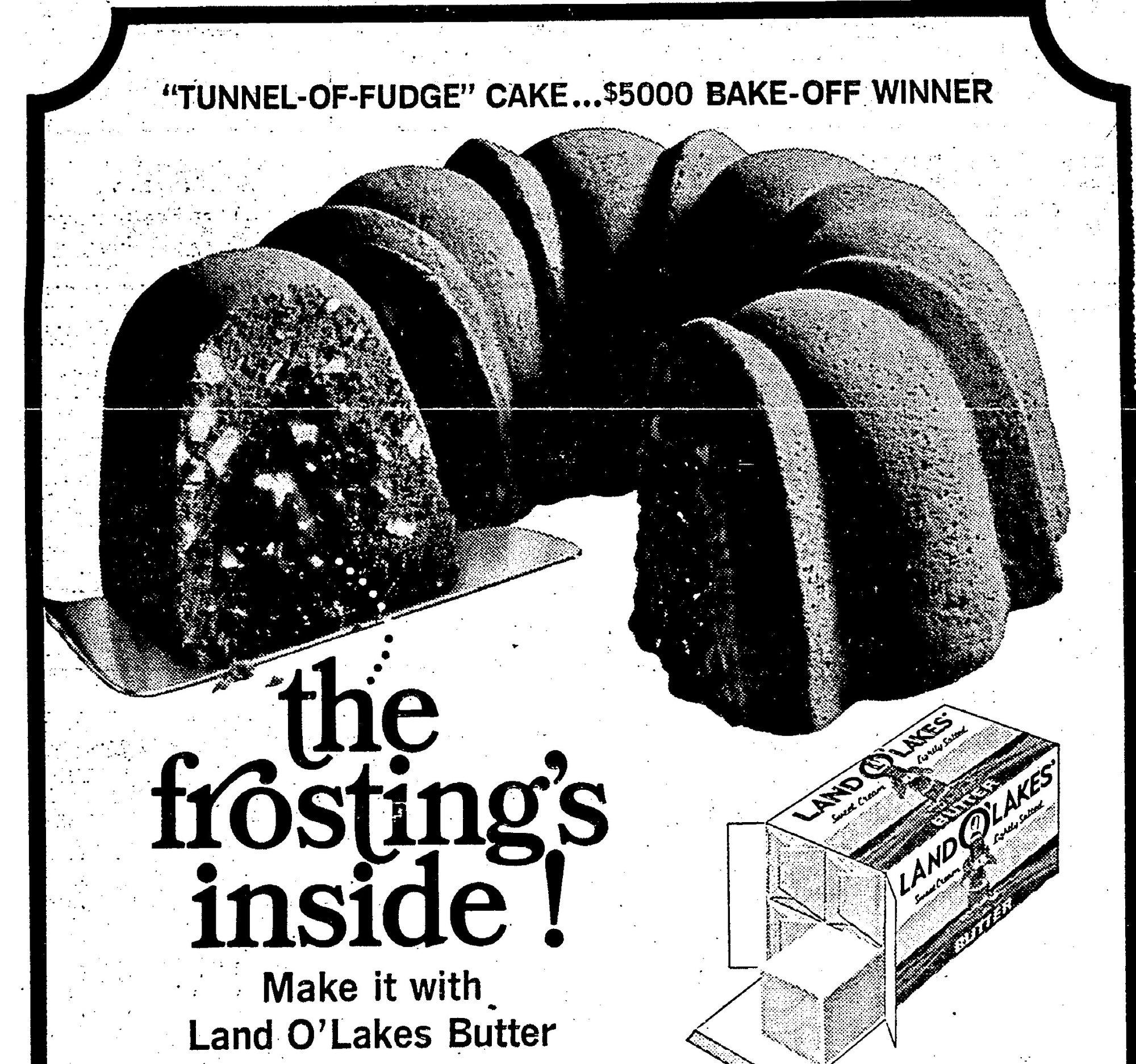
If you’ve been in the baking game long enough, chances are likely you’ve heard of a bundt pan. Well, the Tunnel of Fudge bundt cake is the recipe that popularized bundt pans, paving the way for a multitude of delicious cakes to be born. Hidden inside each slice is a delicious chocolate filling, enough to satisfy even the most chocoholic aficionados.
There are also inclusions such as walnuts and pudding, taking the chocolate factor from good to downright delicious. This recipe from Allrecipes is straightforward and would make a great dessert option for a dinner party or for the chocolate lover in your life.
By the Numbers
- $5,000: the second prize Ella Helfrich of Houston took home for Tunnel of Fudge Cake at the 1966 Pillsbury Bake-Off. The $25,000 grand prize went to a snack bread (Tucson Daily Citizen, Jan. 25, 1966).
- 15 minutes: how long the judges said the cake took to put together, out of 101 finalist recipes.
- More than 200,000 letters reached Pillsbury afterward asking where to find a Bundt pan (Minnesota Historical Society).
- 1950: the year Minneapolis women from the Hadassah Society asked H. David Dalquist of Nordic Ware to copy a European pan for a fundraiser, and the Bundt pan was born.
3. Baked Alaska
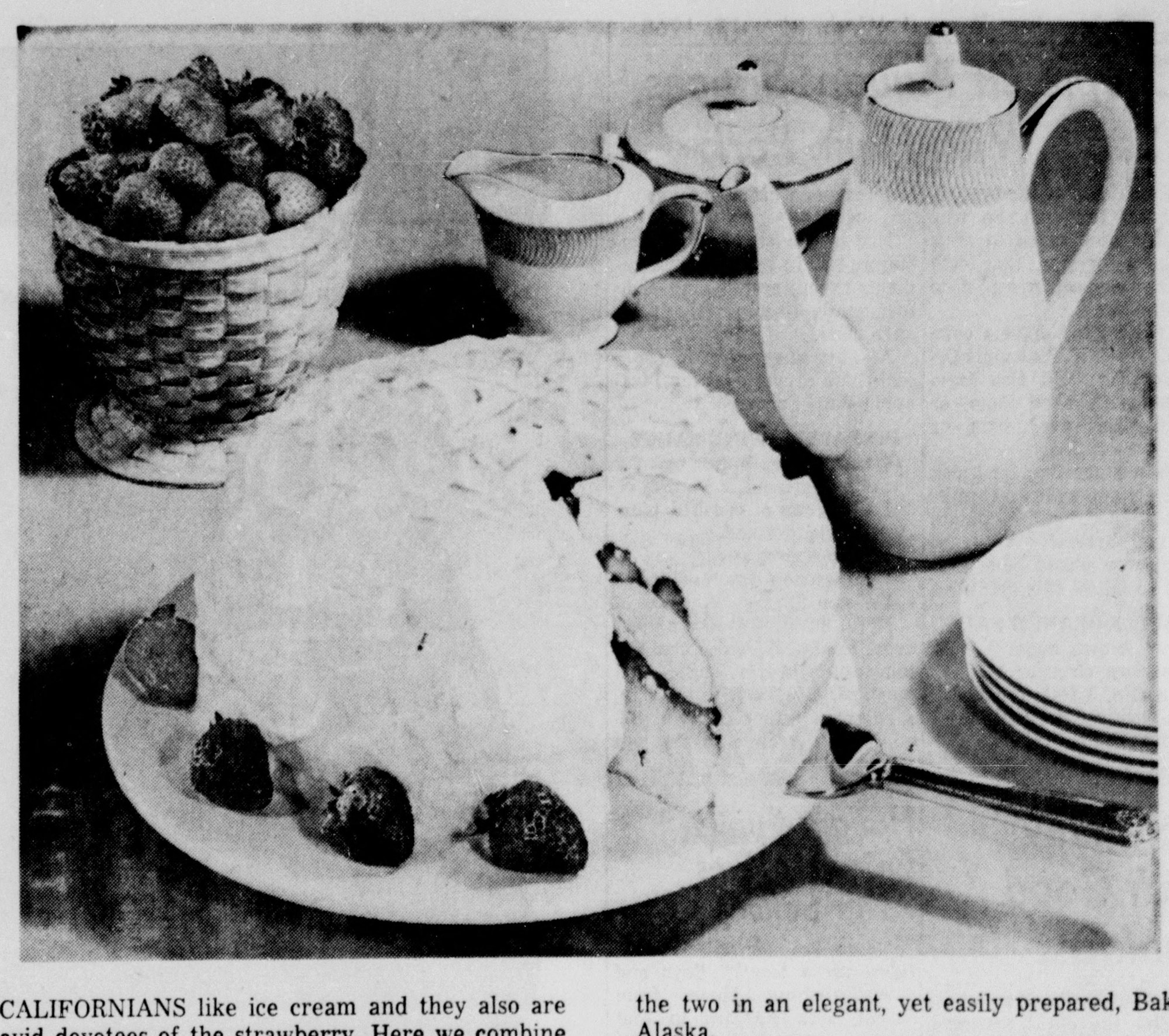
Baked Alaska consists of three main parts: ice cream that’s insulated between sponge cake, plus a meringue topping. Typically, pound cake is used, with cherry and chocolate ice cream flavors. Most people like to use colorful ice cream with complementary flavors, which is why the chocolate and cherry combo works well. Spumoni ice cream, if you can find it, is another great option.
When baked, the meringue on top is browned and airy, with the cold and colorful ice cream tucked safely inside, insulated by the pound cake below – making the ice cream stay safely intact without melting into a puddle.
In the 1960s, this recipe was everywhere. In household cookbooks, on restaurant menus, and nearly every housewife put themselves up to the task of attempting to make one.
Either way, it’s time for Baked Alaska to make a comeback. If you’d like to try your luck, this recipe from The Food Network is a good one.
4. Lemon Chiffon Cake
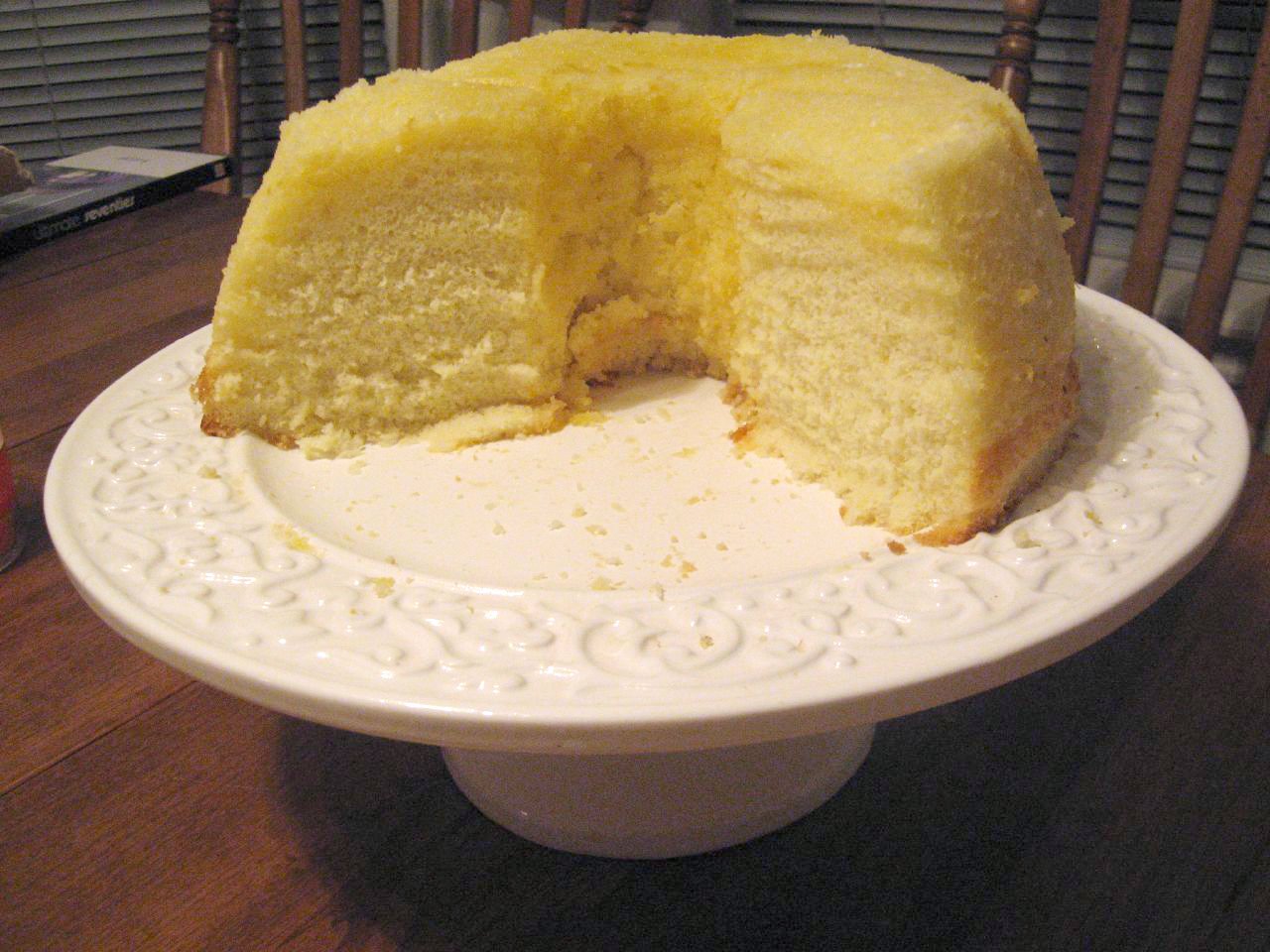
This delicious summer cake was all the rage in the ’60s, though it got its start in 1927 when an insurance agent from Los Angeles, also a baker, decided to create something delicious and served it to Hollywood elites at the Brown Derby for over 20 years. From there, the recipe was sold to Betty Crocker, and the rest is history. This cake is tall as can be, has a light, airy crumb, and superb lemon flavor – a cake worthy of its own stand.
The difference between lemon chiffon cake and angel food cake is the addition of egg yolks and vegetable oil to chiffon cake, where angel food cake is fat free and only uses egg whites. Angel food cake is spongier, where chiffon cake is moist and tender.
This recipe lays out how to make your very own Lemon Chiffon cake from scratch. Go ahead and give it a try!
5. Pineapple Bavarian Cream
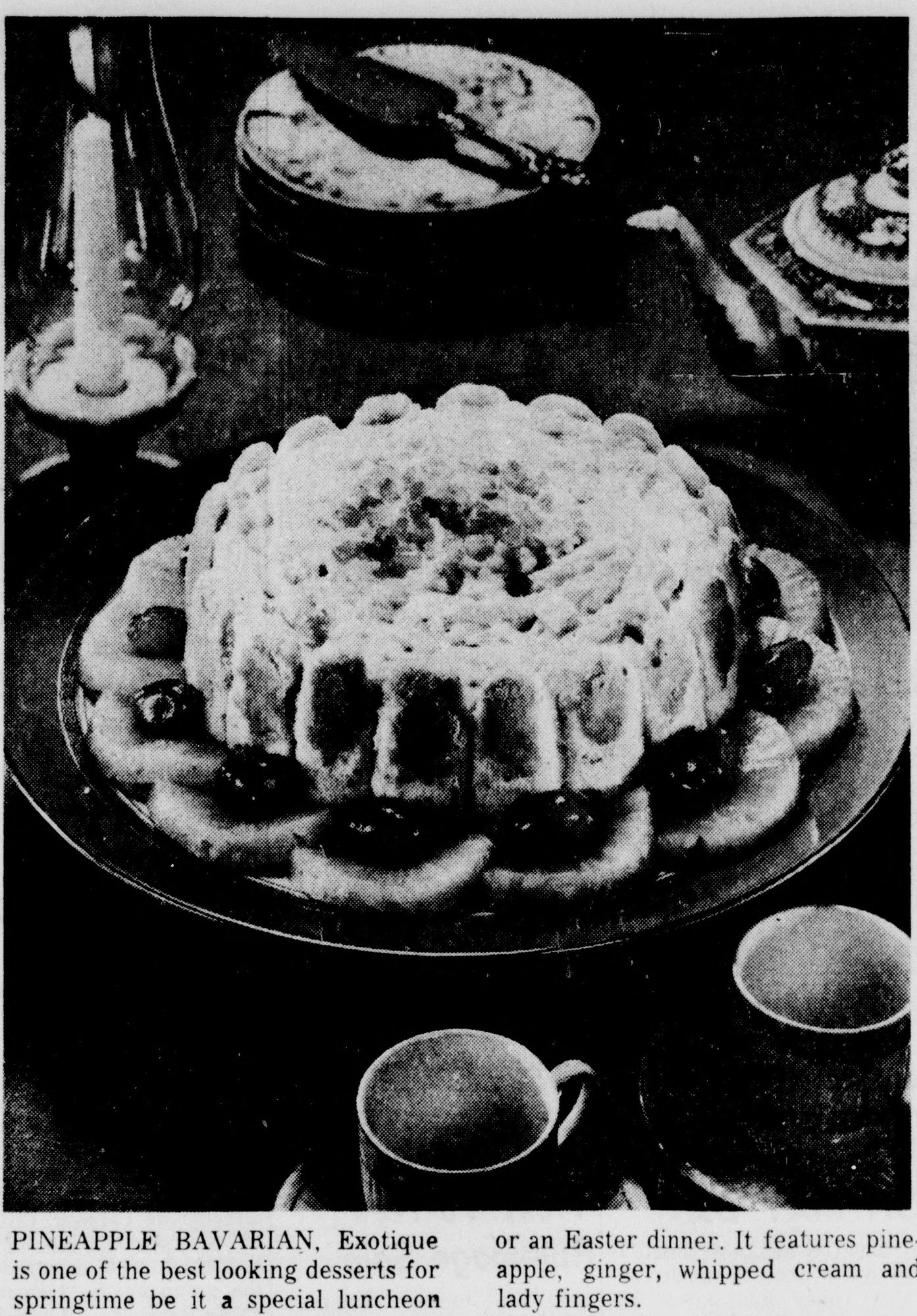
This one might sound similar to a Dole Whip à la Disney, but alas, it’s not even close. A pineapple Bavarian cream is a gelatin based whipped cream type dessert that’s served refrigerated, not frozen. It’s got gelatin, fruit juice, crushed pineapple, and whipped cream inclusions, and it’s absolutely delicious!
This dessert is molded in a Jell-O mold and is full of all the tropical pineapple flavor one could want. The texture is soft, making it easy to eat. This recipe has been around since at least 1896, and it doesn’t appear to be going anywhere all this time later.
If you like pineapple, you’ll want to give this one a try!
Price Check
- 95¢ for ten packages of Jell-O in a Hardin, Montana, grocery ad, February 1961 (Hardin Tribune-Herald).
- 33¢ for a box of Betty Crocker chocolate fudge frosting mix in Brooksville, Florida, September 1960 (Brooksville Sun-Journal).
- 43¢ for Pillsbury angel food cake mix in Browning, Montana, July 1963 (Glacier Reporter).
- $3.50 a fifth for Old Mr. Boston green crème de menthe on the Montana state liquor list, August 1963 (Harlem News).
6. Cherries Jubilee
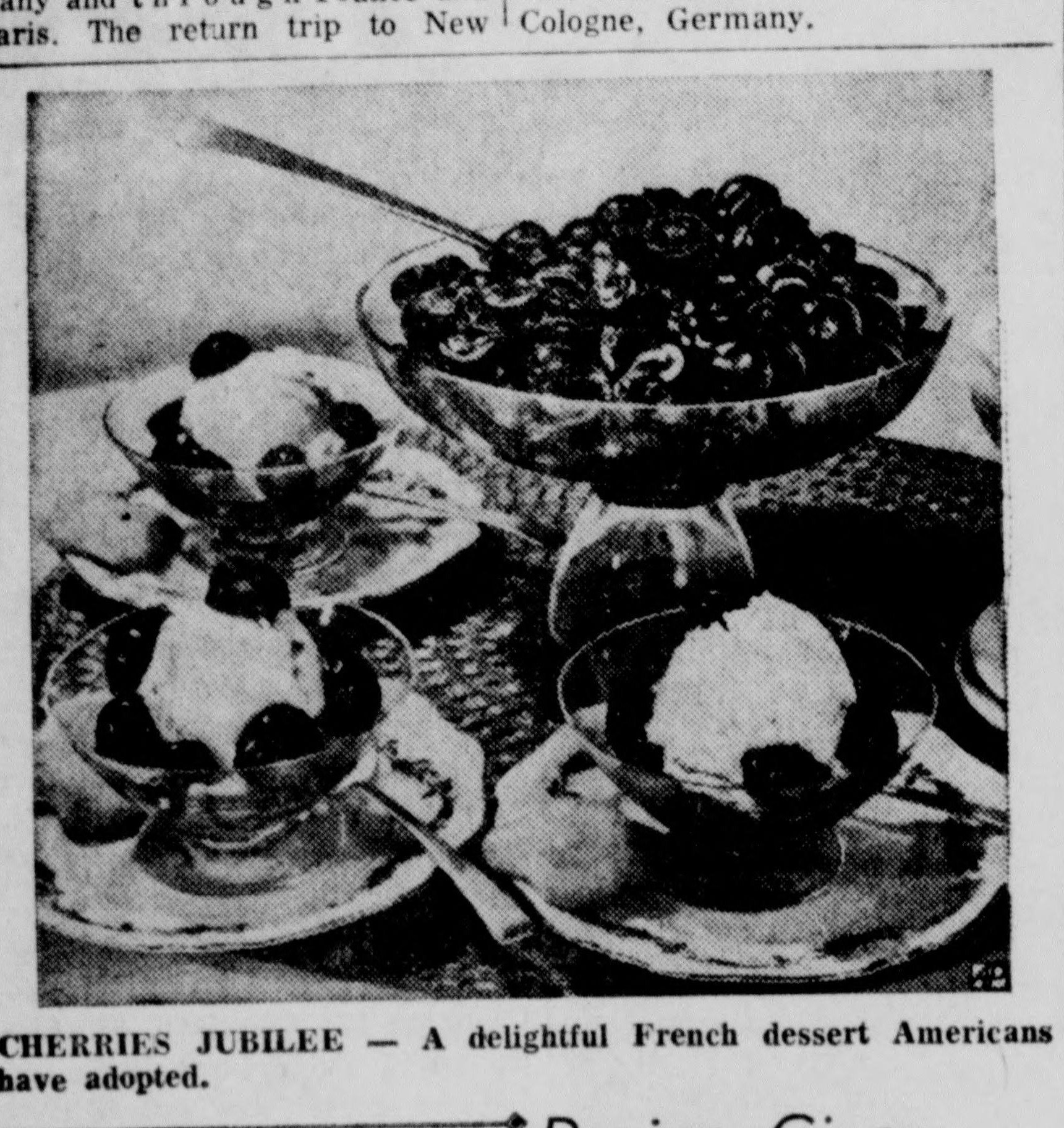
Cherries Jubilee is a classic dessert containing dark sweet cherries and cherry brandy, which is transformed into a sauce, and flambéed, served atop vanilla ice cream. Created for Queen Victoria for her Diamond Jubilee in 1897, clearly it caught on and has stood the test of time. Tableside flambé made this dessert one for the books – and though it can be a bit intimidating to prepare on one’s own, there are plenty of recipes detailing how to do just that. In the ’60s, this dessert was iconic, served in upscale restaurants and at fancy dinner parties.
If you’d like to try making a modernized version of Cherries Jubilee, you can find the recipe here.
7. Charlotte Russe
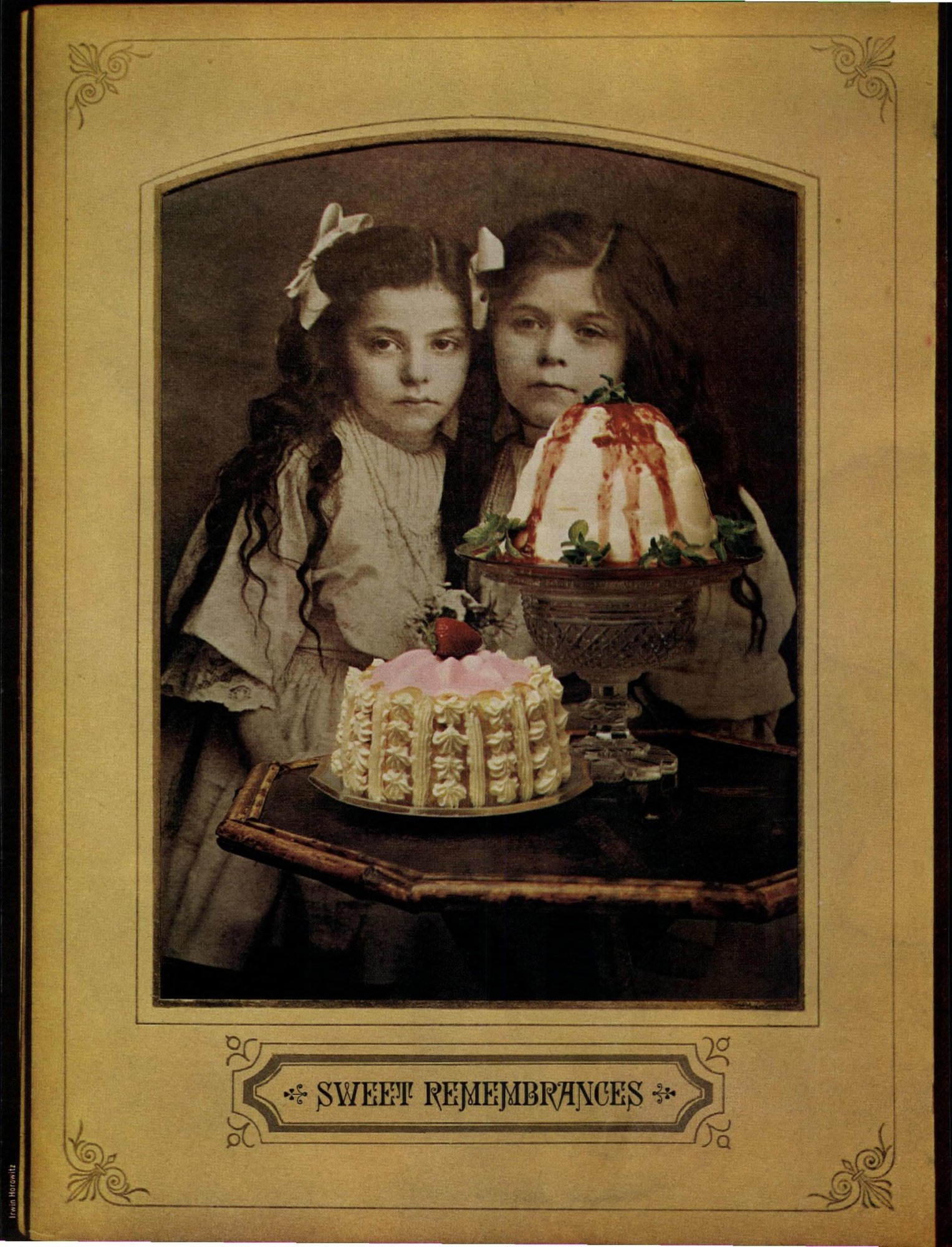
This is a creamy, ladyfinger lined dessert with a creamy filling and a gorgeous presentation – that genuinely looks like someone made an effort. There are different variations of the dessert, with the most popular being the Classic European recipe that originated in the 19th century.
Here’s a recipe for a no bake Charlotte Russe cake, based on the classic European recipe. It’s got great reviews, and is a crowd pleaser – try this recipe on for size the next time you are tasked with preparing a dessert that will wow.
8. Chocolate Icebox Cake
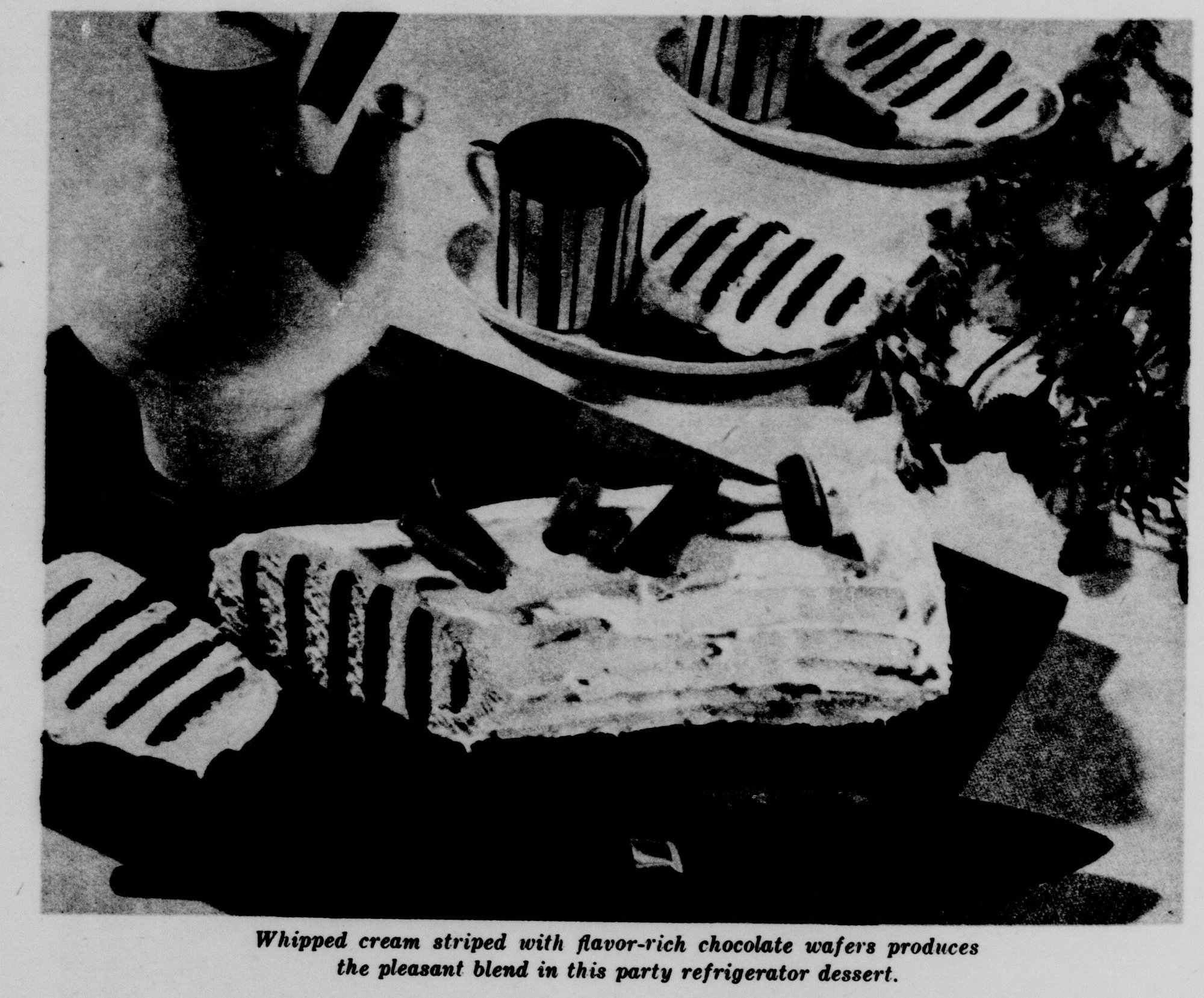
One of the simplest and most delicious desserts, chocolate icebox cake is as delicious as it is easy to throw together. Chocolate wafer cookies softened between cold, sweet, whipped cream becomes a match made in heaven! Chill until it becomes a sliceable dessert. All you need is a few ingredients, and you’ll have a memorable, delicious 1960s inspired treat in no time.
Want to try to create one of your own? Check this recipe out.
Did You Know?
Nabisco quietly stopped making Famous Chocolate Wafers, the icebox-cake cookie, in early 2023 after nearly a century, according to NPR. The icebox cake itself took off in the 1920s, when home refrigerators became affordable and food companies rushed to tie their products to it. In New York, meanwhile, charlotte russe was a street-corner treat sold in a white cardboard cup with a push-up bottom for about a nickel, from the early 1900s until around the 1960s.
9. Floating Island
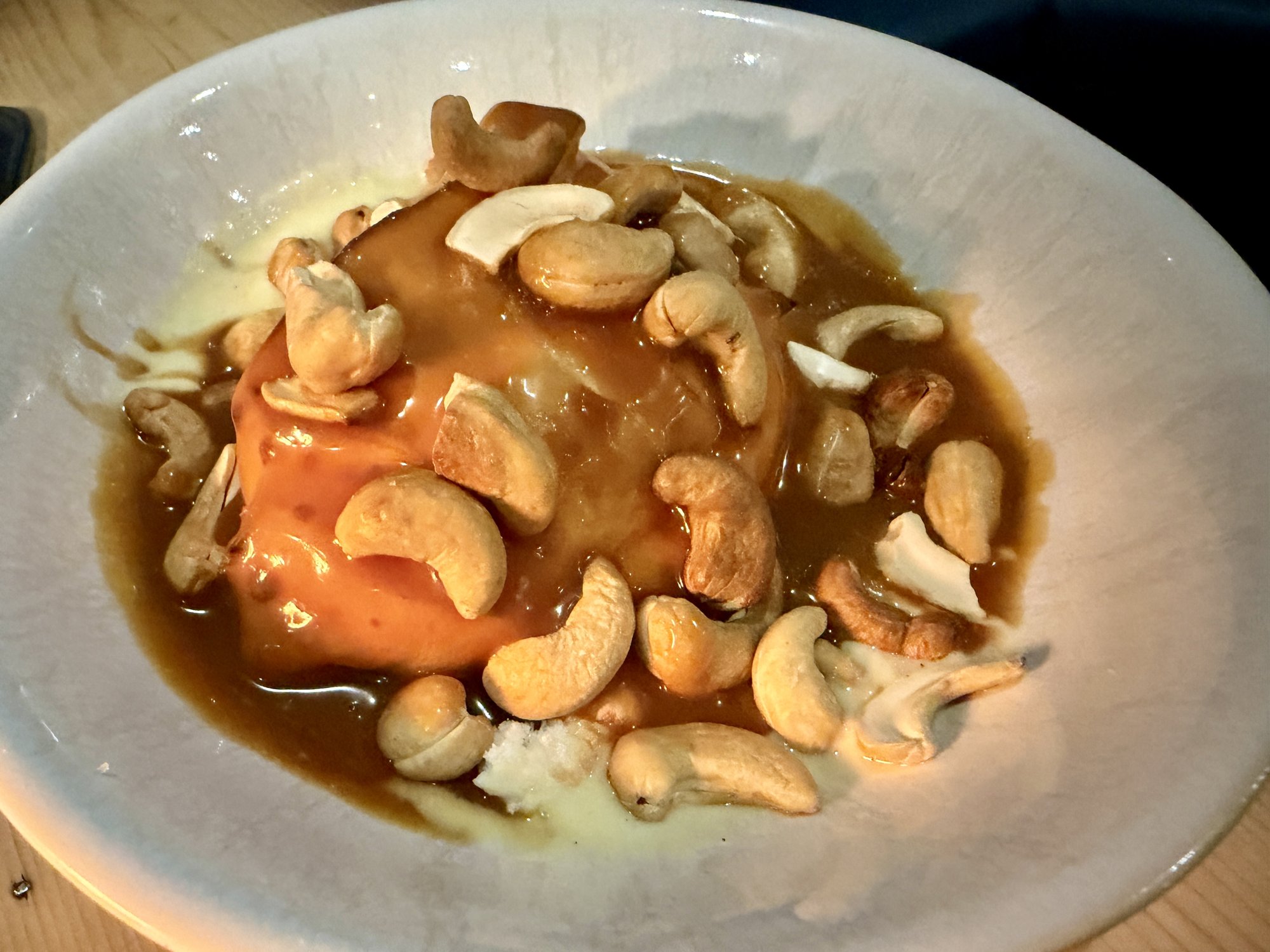
If you’ve never had a taste of the iconic Floating Island dessert, you need to make sure that changes today! A Floating Island is a soft meringue floating on a delicious custard sauce, drizzled with caramel or burnt sugar; the perfect end to any meal. During the ’60s, this dessert was still popular among American and International home cooks. Most upscale restaurants had this on their dessert menu, too.
Wanna give it a whirl? Find the recipe here.
10. Prune Whip
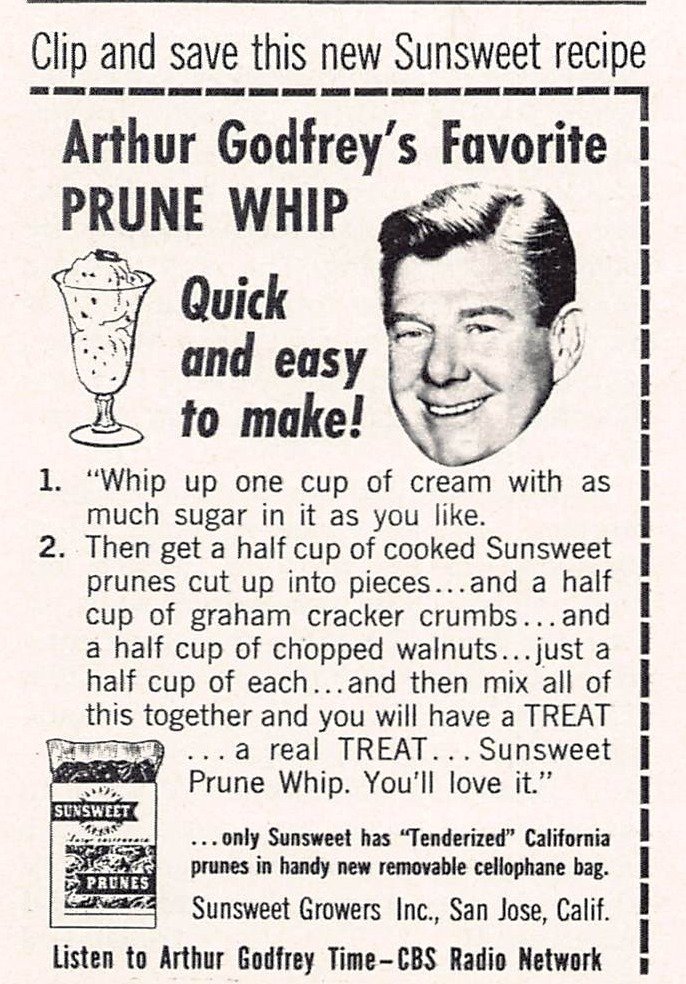
Last but not least, we have the Prune Whip dessert. Now, hear us out: although prune gets a bad rap for being a digestive aid, for lack of a better term, the flavor of prunes is quite enjoyable – and this dessert is quite delicious, too. The dessert is made to be light as air, a whipped concoction containing sweetened prunes, egg white, and some other simple ingredients. Served with whipped cream, it’s quite a delight.
President Dwight D. Eisenhower even named it one of his favorite desserts, which sparked interest and thus it became a viral sensation. During the ’60s, it was considered a frugal option, and most people were slightly obsessed with gelatin-based inclusions.
If you’d like to give it a try for yourself, everything you need to know is found here, based on a recipe credited to Eisenhower himself.
Did You Know?
Prune Whip is the first dessert on the Eisenhower Presidential Library’s list of Ike’s favorite foods, compiled from lists his staff prepared for the inquiring public. Floating Island and English rice pudding made the same list. Fannie Farmer’s 1896 prune whip had no gelatin at all: a third of a pound of prunes, five egg whites, half a cup of sugar and a squeeze of lemon, baked 20 minutes in a slow oven and served cold with boiled custard.
How These Desserts Got Into Every Kitchen
Most of these recipes didn’t come down from anybody’s grandmother. They came out of a box or a booklet. In 1947, after four years of product development, General Mills introduced its Betty Crocker Ginger Cake mix. By then more than 200 companies offered cake mixes, mostly on a regional basis. In 1951, Duncan Hines introduced its first cake mix. During the 1950s, the cake-mix market was dominated by three companies: General Mills, Duncan Hines and Pillsbury.
Back in 1947, General Mills had also purchased Harry Baker’s recipe for chiffon cake, the one the lemon chiffon on our list descends from. In May 1948, Better Homes and Gardens touted chiffon cake as “the first really new cake in 100 years.” That same year, Betty Crocker published a pamphlet containing 14 chiffon cake recipes and variations. And 1950 saw the publication of Betty Crocker’s Picture Cook Book, which sold more than one million copies in its first year.
Pillsbury’s first baking contest was held in 1949 in the ballroom of New York’s Waldorf-Astoria hotel, where 100 finalists baked in 100 specially set-up oven stations. Pillsbury dubbed it the Pillsbury’s Best Grand National Baking Contest, but the newspapers called it the Bake-Off, a name the company later adopted. Tunnel of Fudge Cake placed second in the 1966 Bake-Off.
Knox Gelatine had been marketing its product by publishing recipe booklets since the early 1900s, and by 1960 it was up to one called Knox On-Camera Recipes: A Completely New Guide to Gel-Cookery.
Likewise, Jell-O was promoted through recipe booklets. General Foods’ The Joys of Jell-O, first published in the early 1960s and reprinted many times, presented page after page of molded gelatin desserts.
Why Did They Disappear?
Desserts like floating island and baked Alaska may have met their demise thanks to an unfortunate combination of events, starting with the advent of Weight Watchers, which Jean Nidetch founded in 1963 after the weight loss meetings in her Queens, N.Y., apartment outgrew it; by the time the company went public in 1968, it had 102 franchises. That same year Coca-Cola brought out Tab, its first foray into diet soda and its answer to Royal Crown’s Diet Rite, sweetened with saccharin and cyclamate.
Then cyclamate was removed from the list of ingredients the FDA deemed “generally recognized as safe” on October 30, 1969, following HEW Secretary Robert Finch’s announcement on October 21 that foods containing the sweetener would be pulled from the U.S. market.
Sugar was never singled out like cyclamate, but the message of “Dietary Goals for the United States,” the 1977 report from the Senate Select Committee on Nutrition and Human Needs chaired by George McGovern, was clear: eat less of it, particularly the refined and processed kind.
Jell-O sales peaked in 1968 and then dropped about two percent every year for two decades. By 1987, Jell-O was selling about half as many boxes as it had twenty years before, according to Jell-O biographer Carolyn Wyman. In 1990 the company shifted its marketing away from moms making molded gelatin salads and desserts and toward children, with hand-held, square-cut Jigglers.
Packaged ingredients did their part, too. Consider Cool Whip, created by General Foods food scientist William A. Mitchell in 1966. Since it could be shipped frozen, it was introduced by the company’s Birds Eye frozen foods division, and within two years it was that division’s top-selling and most profitable product. Being able to pull a tub of whipped topping out of the freezer meant desserts like grasshopper pie and pineapple Bavarian cream no longer called for the fussiness of whipping your own cream.
And some of these desserts simply lost an ingredient. Tunnel of Fudge as it was originally printed in 1966 called for Pillsbury’s Double Dutch Fudge Buttercream Frosting Mix, but when Pillsbury discontinued the product the recipe could no longer be replicated as intended, and today’s versions call for a combination of cocoa and powdered sugar. Whatever the reasons, it’s a shame we don’t see them around much any more.
Which One Deserves a Comeback?
Which dessert do you remember being brought out when special guests were over for dinner? Which one of these do you think deserves another chance? Taking a chance on something new may help you to discover new favorites, leading you to explore even more recipes of old. It’s exciting to be able to bring back once loved recipes and to explore the reasons why people adored these desserts the way they did. The only way to understand is to try them for ourselves!
Buon appetito!
Photographs are in the public domain or used under Creative Commons licenses, as credited in each caption. Advertisements and magazine pages are reproduced as historical documents; their copyrights belong to the companies named.





Leave a Reply