
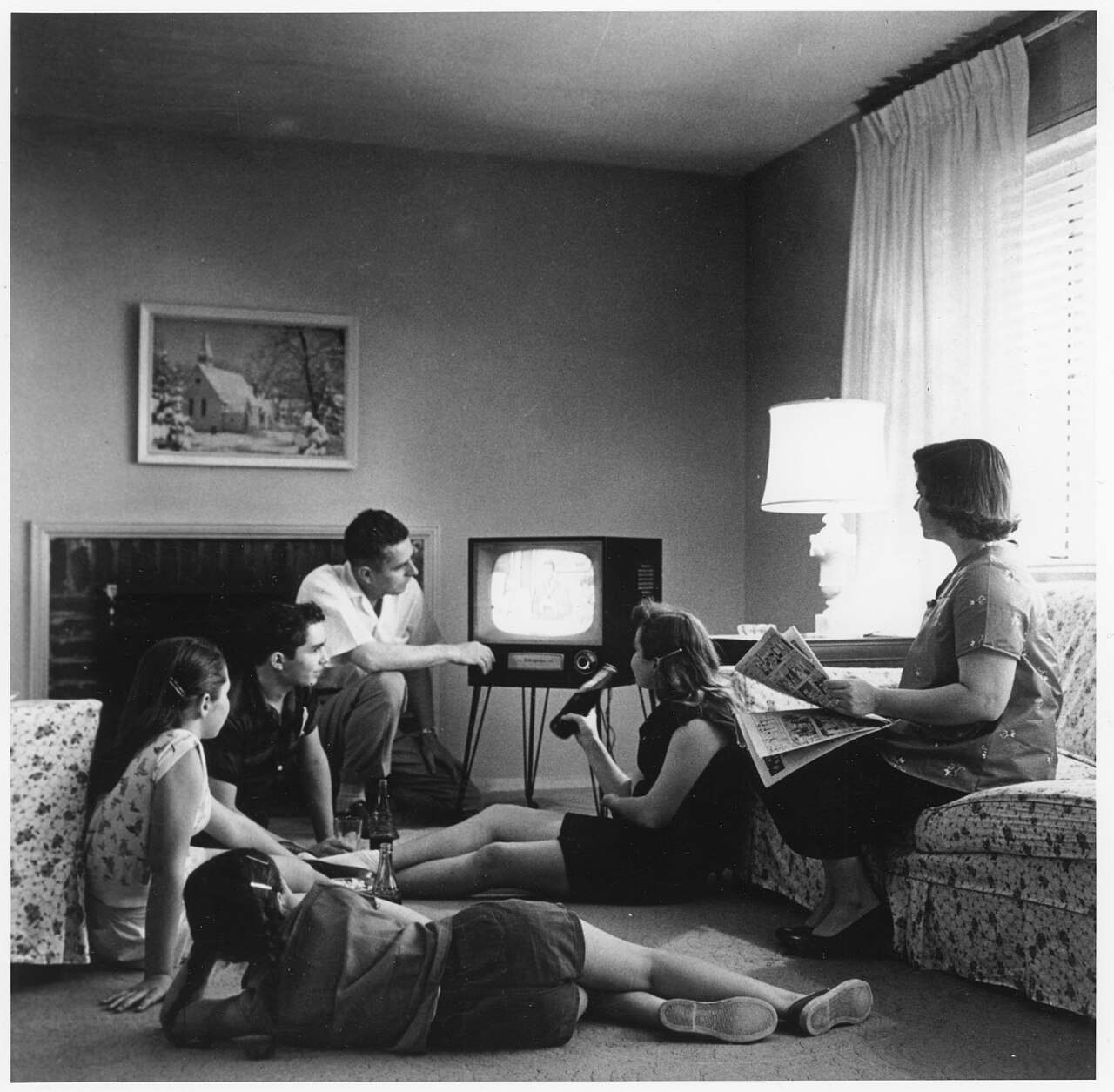
We didn’t need an alarm clock to get up earlier than anyone else on a Saturday. We would sit cross-legged on the living-room floor in our pajamas staring at the test pattern and know that in just a short time there would be the best four hours of TV all week.
If you grew up in the 1950s or ’60s you can recall the anticipation of getting up earlier than the TV stations even came on, let alone your parents or the paperboy. I can’t be the only seventy-six year old who gets a little excited on Saturday morning.
Before the cartoons: the test pattern years
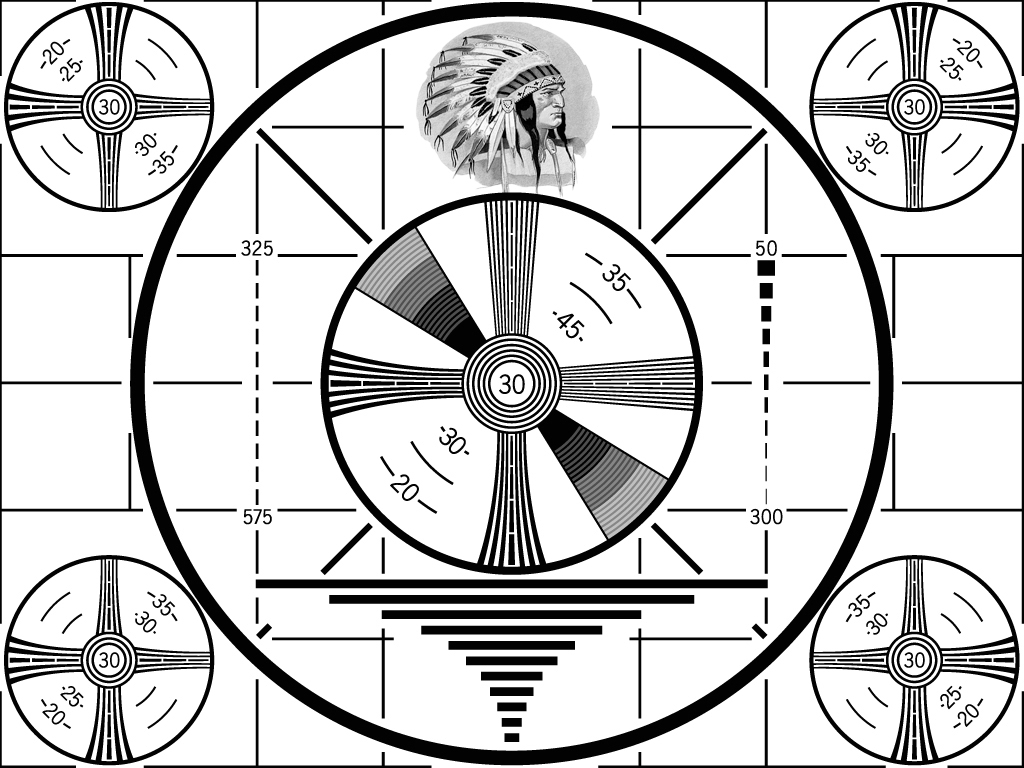
Believe it or not, friends, TV stations used to sign off at night at approximately midnight with the National Anthem. If you got up early enough on Saturday morning you would be treated to nothing more than a hum and what was known as the Indian Head test pattern (basically a bull’s eye with a picture of an Indian chief wearing a feathered headdress on top of it). You would stare at the screen anyway, and why? Well, after the anthem, then maybe a short sermonette or a farm report, there was a blast of brass and CARTOONS! Worth watching that Indian Head!
The ritual, perfected
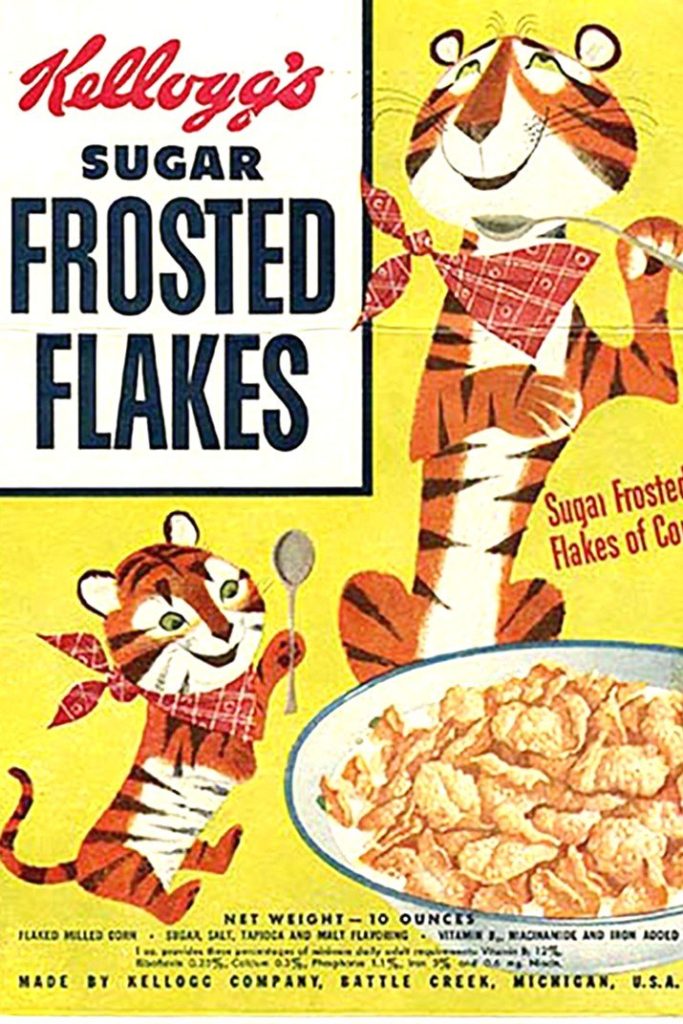
Saturday mornings are sacred. You tiptoe past Mom and Dad’s bedroom. They have a right to sleep and shouldn’t be awakened after a long week. Unscheduled and unsupervised you enter the living room and turn on the TV. You fill a big bowl of cereal with enough milk to float a small boat. You plop yourself on the floor and sit as close to the TV as Mom says it’s okay to get…not ‘too’ close, your eyes will get bad! Saturday mornings have no restrictions, it’s OK to have seconds. Saturday is the day you can reach your fingers to the very bottom of the box and come up with the surprise.
Kellogg’s Sugar Frosted Flakes came along in 1952 with Tony the Tiger and his ‘grrreat’ catchphrase. Trix was introduced in 1954 followed by Cocoa Puffs in 1958.
The prize at the bottom of the box
In 1947, before I was born, Kix cereal offered a nifty Lone Ranger Atomic ‘Bomb’ Ring for 15 cents and a box top. In a darkened room you could peer into the ring and see minute flashes of light. The light show came from a speck of radioactive polonium which threw off emissions which struck an internal screen creating the flashes of light. The instructions promised it was ‘PERFECTLY SAFE,’ but I am certain this item would NOT be making its way to kids’ breakfast tables today.
In the mid-1950s Kellogg’s offered a plastic model of the Navy’s new atomic submarine, the Nautilus. Powered by baking powder this amazing sub would dive and return to the surface of the water. The first of the subs could be ordered via mail for 25 cents and one box top.
In 1968 The Banana Splits debuted on NBC on Saturday morning, and Kellogg’s was the cereal company behind it. If you saved your box tops, filled out the wee form and sent about 50 cents, two Banana Splits records came in the mail. For a kid, the worst part was having to wait for the mailman to deliver those precious records. It was interminable.
Did you know?
The Flintstones wasn’t a Saturday morning show at all. When it debuted on September 30, 1960, it aired in prime time on ABC — at 8:30 on Friday nights — and it was the first animated series ever to do so. It was sponsored by Winston cigarettes, and early episodes even showed Fred and Barney lighting up. Try explaining that one to the grandkids.
How Saturday became cartoon morning
The Bugs Bunny Show, which began airing on ABC on October 11th, 1960 (in prime time! On Tuesday nights at 7:30!), moved to Saturday mornings on April 7th, 1962, and stayed on network morning television (moving back and forth between ABC and CBS) all the way up until 2000.
Then, young CBS executive Fred Silverman decided that reruns of old theater cartoons weren’t going to cut it, so he wanted original programs geared towards his audience, kids, kids who liked comics, kids who liked SUPERHERO cartoons, which, before 1966, there was only one of airing on Saturday mornings: Hanna-Barbera’s Atom Ant. CBS premiered The New Adventures of Superman on September 10th, 1966, and by the end of the fall, all of the Big Three networks had added more of their own to the mix. A few years later, Fred Silverman brought Scooby-Doo to television, too.
The lineup we lived for
The roster changed as the years went by, but the devotion never did. Depending on when you grew up, your Saturday headliners might have been:
If you were a ’50s kid…
- Mighty Mouse Playhouse (from 1955) — “Here I come to save the day!” The very first hit made-for-Saturday-morning cartoon show
- Winky Dink and You — the one with the magic plastic screen you drew on. Half of us drew on the bare TV screen instead. Sorry, Mom
- Heckle and Jeckle, Tom Terrific, Crusader Rabbit — and Westerns like the Lone Ranger reruns squeezed between them
If you were a ’60s kid…
- Looney Tunes — Bugs, Daffy, Wile E. Coyote and that infernal Road Runner. The Warner Brothers gang simply never missed
- Jonny Quest — the coolest kid on television, with a jetpack and a bulldog named Bandit
- The Jetsons, Top Cat, Magilla Gorilla, Underdog — “There’s no need to fear!”
- Scooby-Doo, Where Are You! — which premiered September 13, 1969, and it was ALWAYS old man Withers in a mask. Always
Whatever the year, the commercials were part of the show. Many people can still sing these songs today. All you have to do is hear Nestlé Quik or Slinky (“everyone knows it’s Slinky”) and you’ll be humming along. They knew how to make songs that would stay in your head forever, especially the toy commercials timed for Christmas list season.
A word about those commercials
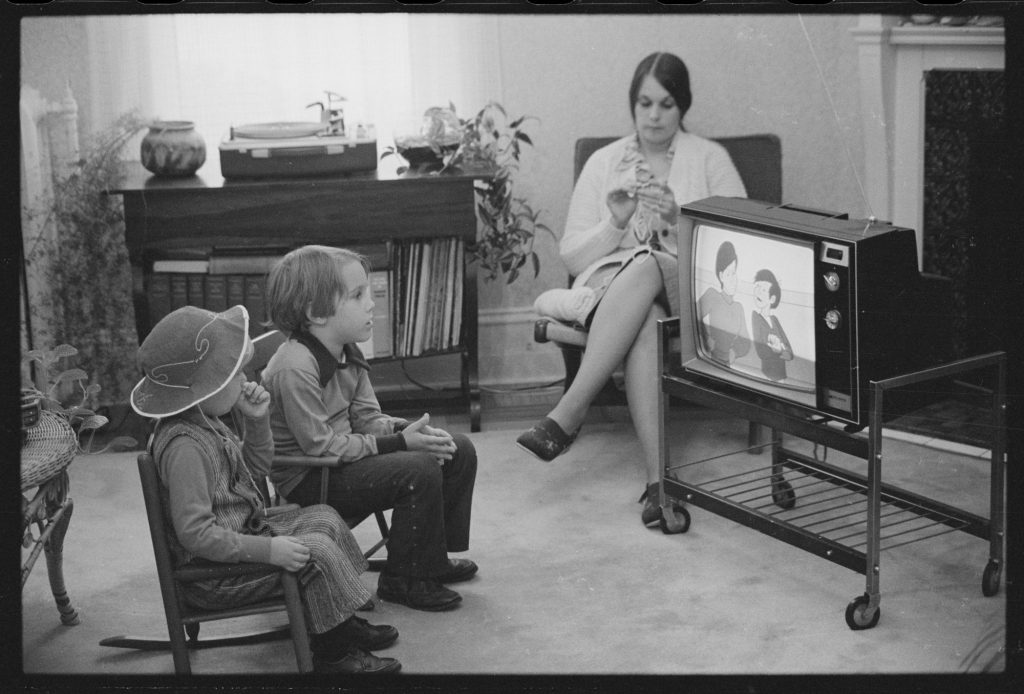
Children’s TV was awash with commercials aimed at small humans who sat on the floor and wore pajamas, and a lot of them were for sugary cereals that came with catchy jingles. We watched them oblivious of the murky entanglement between sponsor and program (Kellogg’s sponsored The Banana Splits, for one) or the dubious practice of characters from a show pitching a product either during or immediately following their colorful frolics (later named, by the government, ‘host selling’).
But in 1968, concerned about this commercialization of kids’ TV, Peggy Charren founded Action for Children’s Television right there in her living room (Newton, Massachusetts). Six years later, the Federal Communications Commission issued a policy statement finding kids more “trusting and vulnerable to commercial ‘pitches’ than adults” and incapable of telling where a program ends and ads begin. Broadcasters should work to eliminate ‘host selling’ and maintain a bright line between the two, the FCC hoped; meanwhile, an hour of children’s shows on weekends could include a maximum of 9.5 minutes of commercials (12 during weekdays), per the industry’s voluntary guidelines. Technicalities lost on children, of course, who sat through it all, happily memorizing jingles.
Not just cartoons
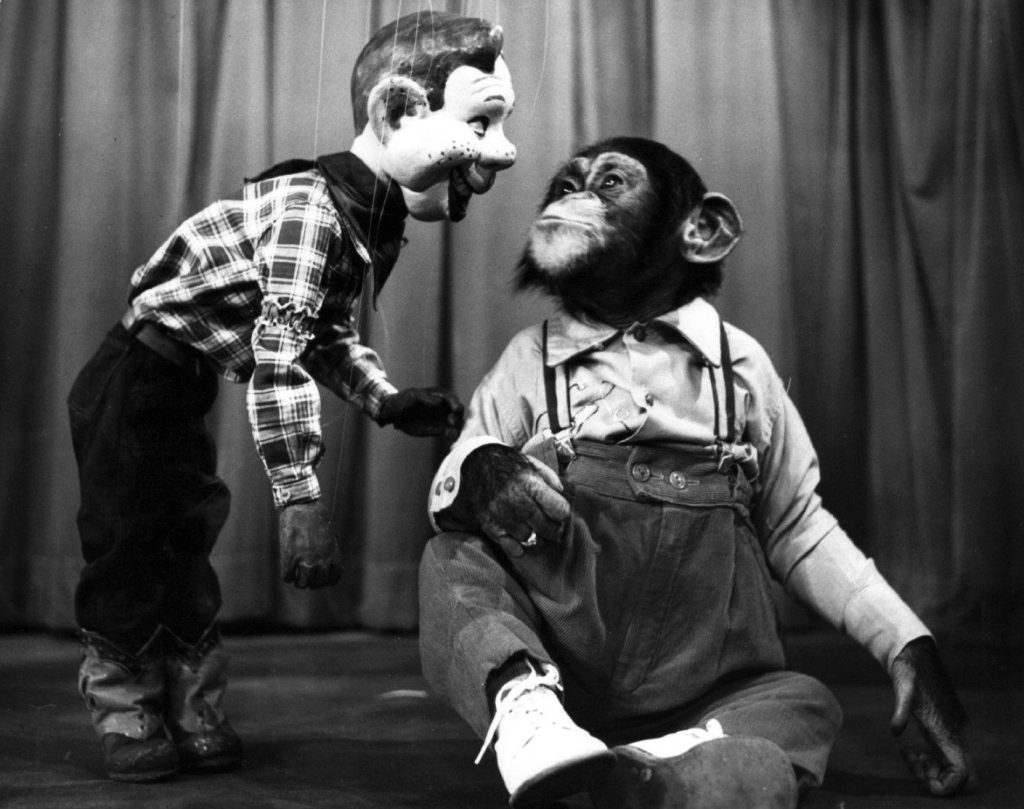
Saturday morning wasn’t all cartoons, either. NBC’s Howdy Doody (which began airing on NBC in December of 1947 and was first aired on Saturday mornings in 1956) was a favorite. Each show began with mainstay Buffalo Bob Smith turning to the group of kids in the bleachers (collected together and dubbed the Peanut Gallery) and saying, ‘Say kids, what time is it?’ Howdy Doody came to an end in September of 1960 and in the show’s last few seconds, Clarabell the clown, who communicated entirely by means of pantomime and a collection of horns during the show’s entire run, surprisingly spoke two words: ‘Good-bye, kids.’
Watch Mr. Wizard began airing on NBC in 1951. In its first few years the show was live from Chicago and aired on Saturday. It stayed on the air for 14 years. Don Herbert performed simple science experiments with the aid of a boy or girl who was in the studio that day. Once, an official from the National Science Foundation stated Herbert was ‘personally responsible for more people going into the sciences than any other single person.’
My family did not have a TV when I was a kid, so I first experienced The Lone Ranger through his radio show that began in 1933 on WXYZ in Detroit. It wasn’t long after that that the show was also carried on WLW out of Cincinnati. It featured Rossini’s ‘William Tell Overture’ as its theme, and Brace Beemer provided the masked man’s voice from 1941 until 1954. Of course, there was his shout of ‘Hi-yo, Silver, away!’
On television, Clayton Moore starred as the masked man along with Jay Silverheels as Tonto from 1949 until 1957 for a total of 217 episodes which were staples on TV during the rerun time slots. In addition, CBS broadcast a Saturday morning animated series from 1966 to 1969. Still, The Lone Ranger has come under fire over Tonto’s role in the show. Tonto spoke broken English, while the Lone Ranger spoke perfect English.
One TV, three channels, zero remotes
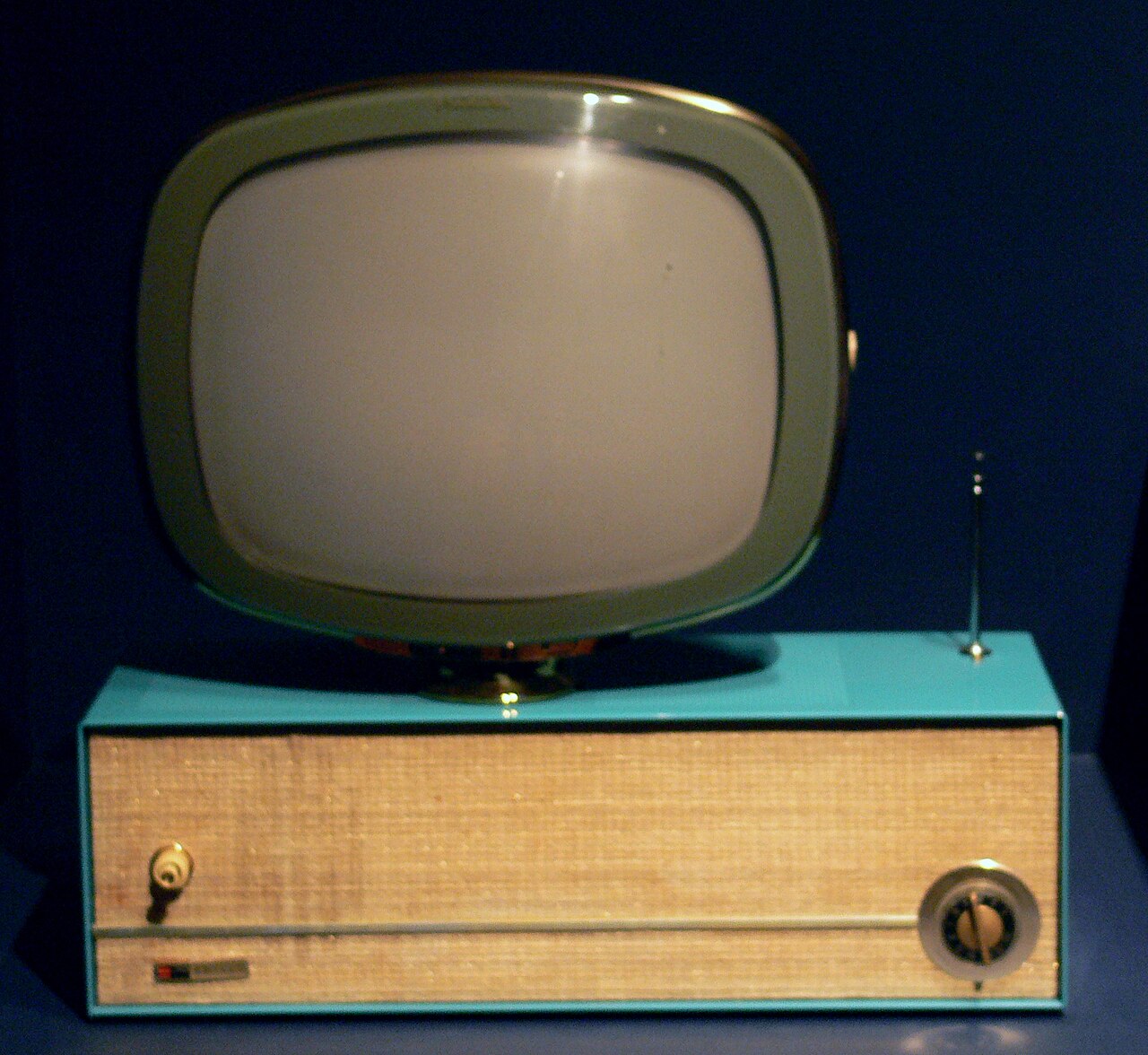
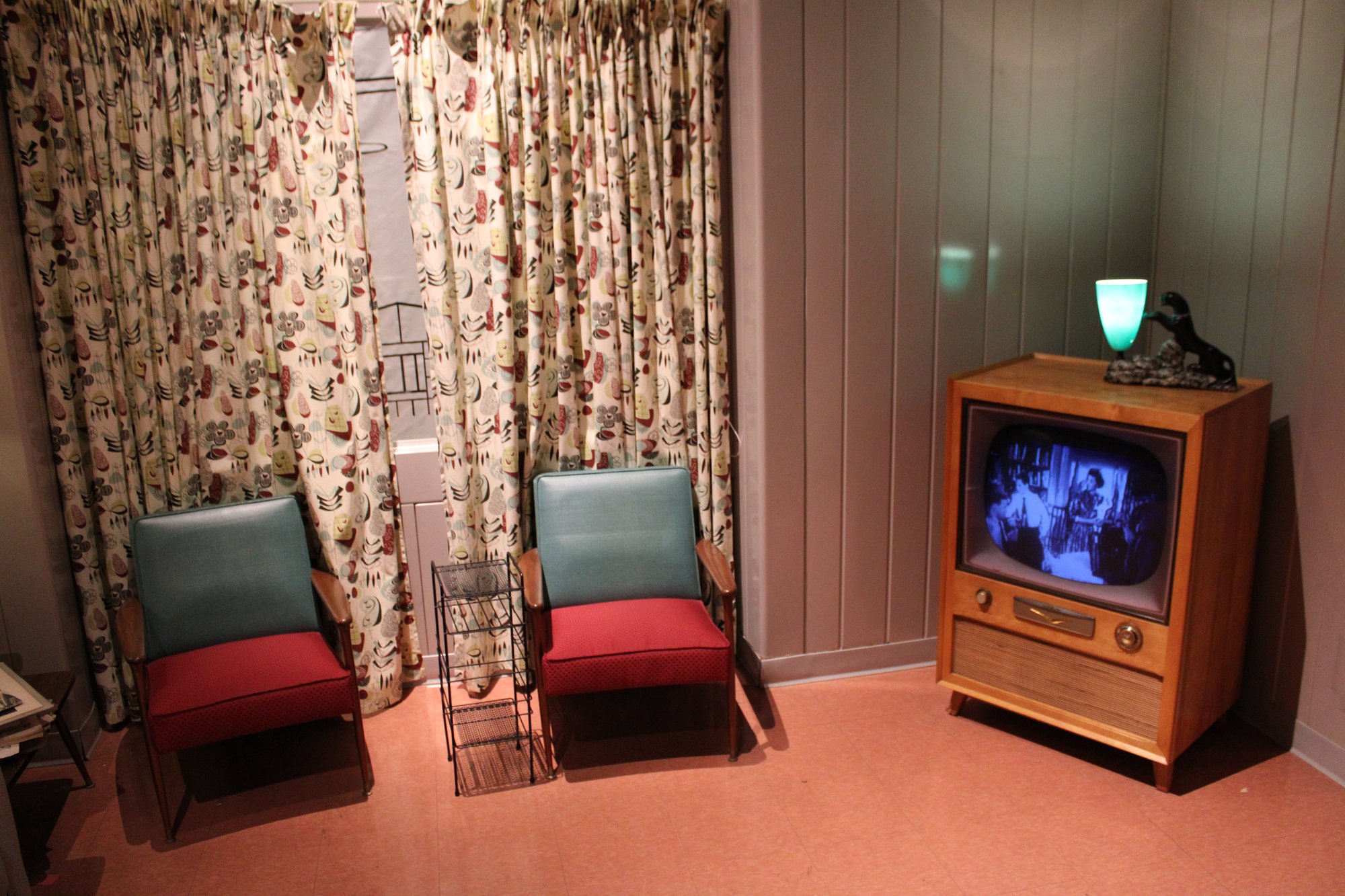
You had one TV. It was a piece of furniture, and you treated it like a member of the family. It got three channels, and, on exceptionally clear days, a fourth. If the picture started to roll, you adjusted the vertical hold, and, if that didn’t work, gave the cabinet a good thump (on the side, of course), gentle or vigorous depending on the situation. The cabinet thump has been passed along the generations, father to son.
You didn’t have a remote control. The youngest kid was the remote control: ‘Get up and turn it to channel 7. Stand right there. Hold the rabbit ears now. Slightly to your left… don’t budge.’ When one of the tubes burned out (and it would), you took it with you on Saturday’s drugstore errands to the trusty tube tester.
Price check: the family television
In 1954, RCA’s 21-inch “Master 21” television sold for $199.95, roughly $2,400 today and about two and a half weeks of the typical family’s income. No wonder Dad guarded that dial. And no wonder that in 1950 only about 9 percent of American homes had a set, but by 1960, nearly 9 out of 10 did. Fastest furniture takeover in history.
By noon, it was all over
By noon, the cartoons gave way to bowling, then to golf or a lawn care program, which was the unmistakable sign that TV had given up on kids for the day. There would be a whole week’s worth of waiting ahead, but somehow that waiting was part of the pleasure. There’s nothing you can stream at 2 a.m. on a Tuesday that will ever have the taste of something you spent six days waiting for.
We didn’t have five hundred channels. We had one morning a week — and we wouldn’t have traded it for anything.
Your turn: What cartoon did you refuse to miss? What cereal was in the bowl? And who in your house had to hold the rabbit ears? The comments are open — pull up a spot on the floor.
More trips down memory lane: revisit a night at the drive-in, or turn the dial to the transistor radio under your pillow.
Family around the TV, 1958. Photo: Evert F. Baumgardner, National Archives — public domain, via Wikimedia Commons.
Leave a Reply