
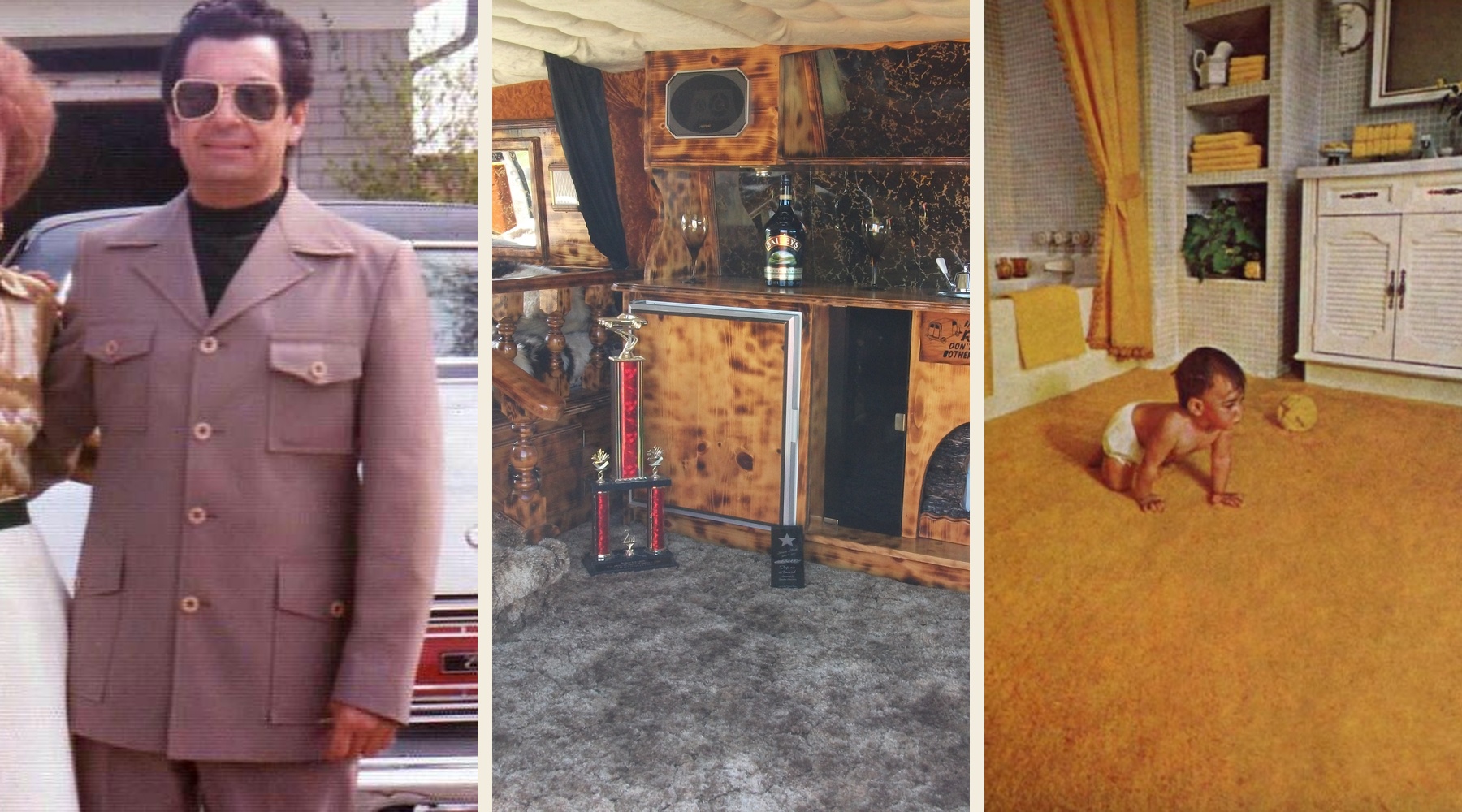
The 1970s were anything but shy about trying new things. You name it, and it could get a little bit experimental. Picture it: bold colors, strange inventions, unconventional decorating choices, and new ways to socialize.
Today, a lot of these things look bizarre, but back then, they were all the rage. Some offered comfort and convenience, while others gave people ways to do things everyone else was suddenly doing.
Whether you lived through the 1970s or not, these trends will transport you through time. Let’s find out which trends captured the country’s attention for a minute before they faded from the mainstream.
1. Buying a Pet Rock
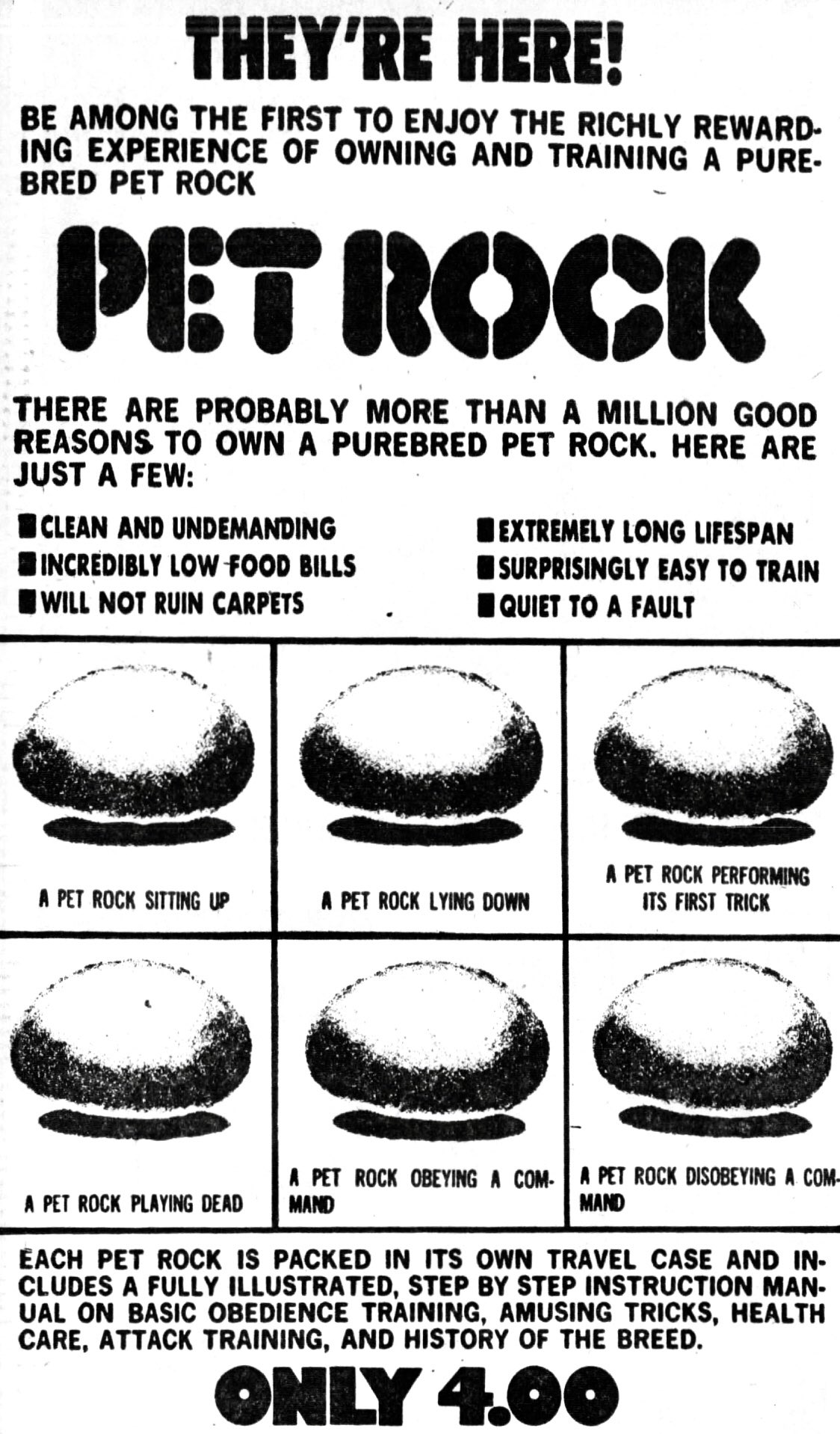
Pet Rocks were all the rage and offered a great alternative to actually owning a living, breathing pet. Made from smooth beach stones, the rocks came nestled inside a cardboard box designed like a pet carrier complete with air holes. The outside of the carrier identified the occupant as a genuine pedigreed Pet Rock.
Each Pet Rock also came with an owner’s manual. The instructions covered basic commands including stay, play dead, roll over, come, and attack. Some were natural talents, while others required much more owner involvement.
Creator Gary Dahl introduced Pet Rocks at a San Francisco gift show in August 1975. More than one million were sold by Christmas that year. With the help of contemporary media, Pet Rocks became a national phenomenon.
By the following year, the original fad had all but ended. Dahl attempted to create a Bicentennial Pet Rock in 1976, but the enthusiasm was gone. A later remake came in 2000, but nothing ever quite captured the magic of the original Pet Rock of 1975.
2. Wearing a Polyester Leisure Suit
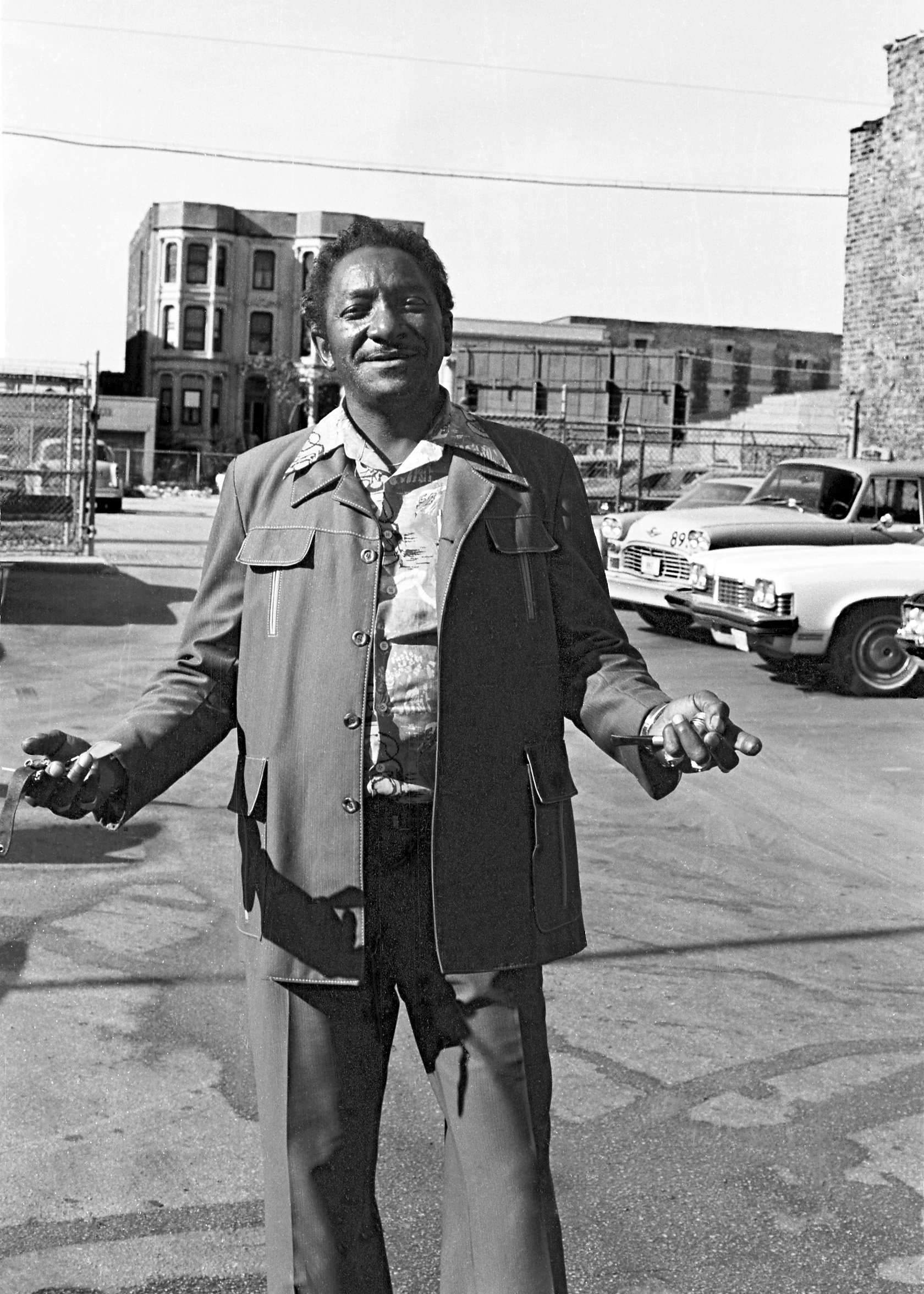
Leisure suits were the answer to the modern man’s need for informal wear that fell comfortably between businesswear and a casual fit. When it came to style, they didn’t disappoint, with matching jackets and trousers. Think: wide lapels, long jackets, flared trousers, bold colors, and synthetic fabrics.
As a less formal alternative to the traditional suit, polyester leisure suits were popular well before Saturday Night Fever associated them with the disco scene. Men were taking bold steps, breaking away from conventional business clothing to experiment with new silhouettes, fabrics, and forms.
By the end of the 1970s, the dominant menswear silhouette had changed. The characteristic shape of the polyester leisure suit gave way to the wider shoulders, narrower legs, and different lapels of the 1980s. Leisure suits also gained a reputation for being lower quality and almost comical because they were typically made from cheaper materials.
3. Joining the CB Radio Craze
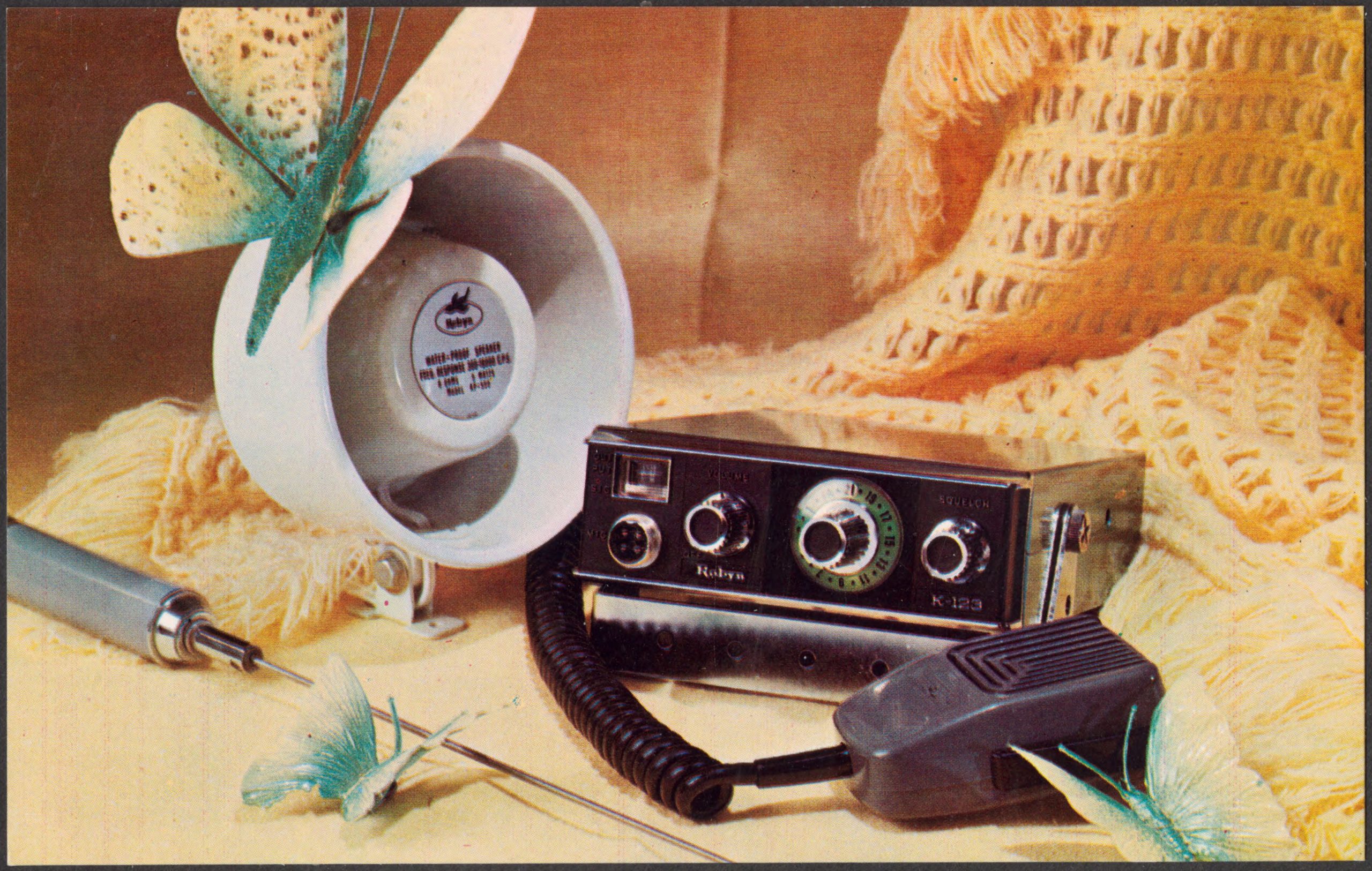
During the 1970s, long-haul truck drivers weren’t the only ones networking on CB radios. Drivers with all sorts of vehicles took up the craze, and it went beyond simple chatter. Each user created their own unique handle that could be anything they dreamed up. The entire network even ran on its own language. Suddenly, a dad of three who never drove a big truck could sound like a cross-country driver of 20 years.
Truckers used their radios to communicate with one another about road conditions, speed traps, traffic, and places to stop. During the 1970s fuel crisis, their radios also helped them track fuel availability.
In 1975, C.W. McCall released “Convoy,” a number one hit about trucker life and CB culture. A movie was later made based on the song. Smokey and the Bandit in 1977 and The Dukes of Hazzard in 1979 also embraced the CB radio craze, showing how the country briefly obsessed over trucking life and culture.
Eventually, the novelty wore off, and the country’s fascination with the trucking culture decreased. Many long-haul drivers and hobbyists still use CB radios to communicate, but the original craze has long since faded.
4. Turning a Van Into a Custom Rolling Lounge
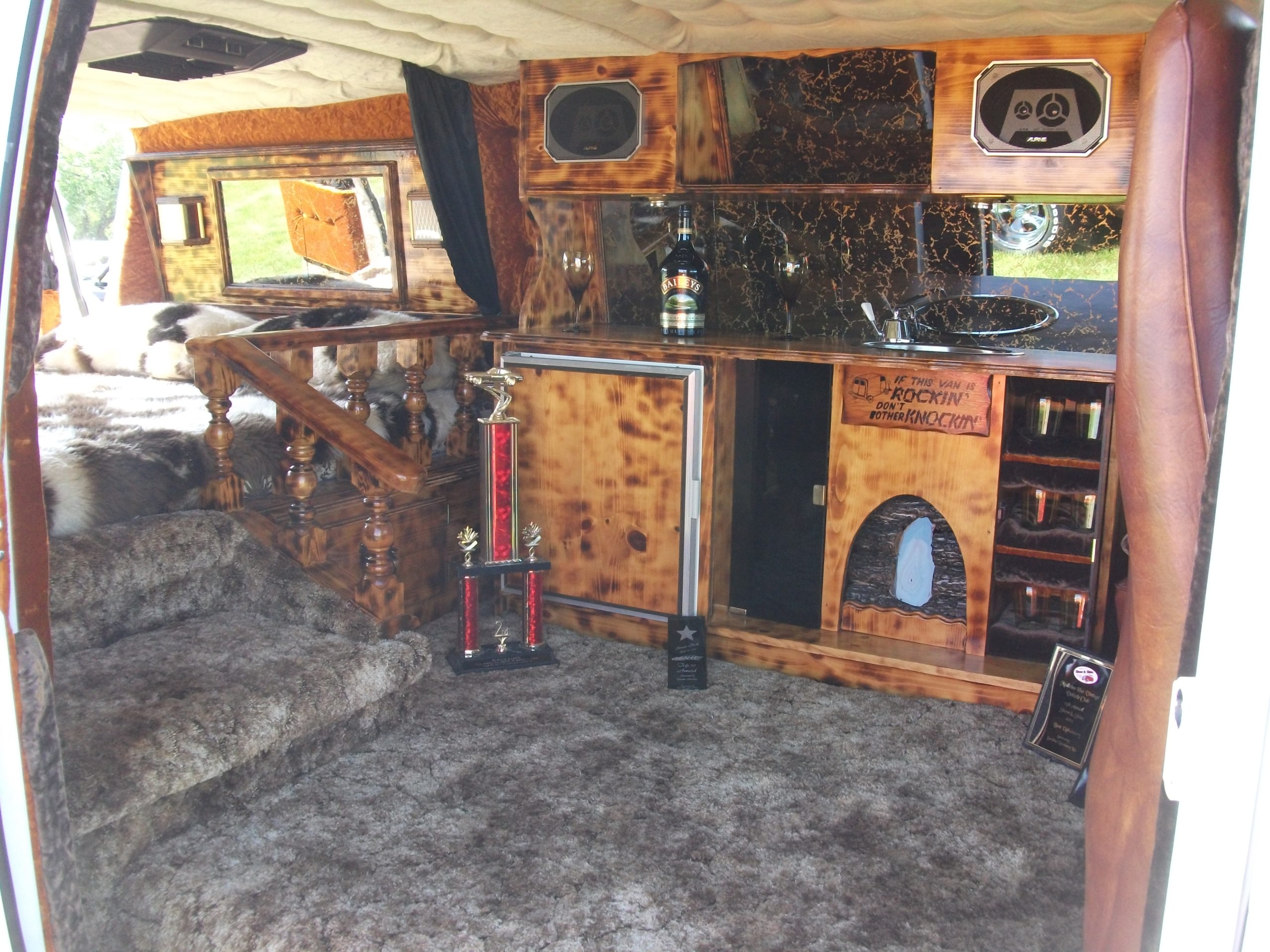
The classic vans of the 1970s were both self-expression and a place to hang out. Owners transformed cargo vans of all types into whatever their hearts desired. These vans held massive appeal with their large blank exterior panels that served as canvases for murals. Their empty interiors readily accepted shag carpeting and wood paneling. Bubble and porthole windows often completed the exterior image, while refrigerators, fake fireplaces, beds, and bars often appeared inside.
This trend became so big that major manufacturers like Ford, Dodge, and Chevrolet took notice and started offering their own van customization packages. Vansploitation movies like The Van (1977), Supervan (1977), and others focused on customized vans and the culture surrounding them.
By the early 1980s, the custom rolling lounge concept was largely associated with the previous decade. Custom vans themselves never fully disappeared, but the attraction to adding shag carpeting to everything, including the ceiling, died off as a mainstream fashion.
5. Making a Waterbed the Bedroom’s Main Attraction
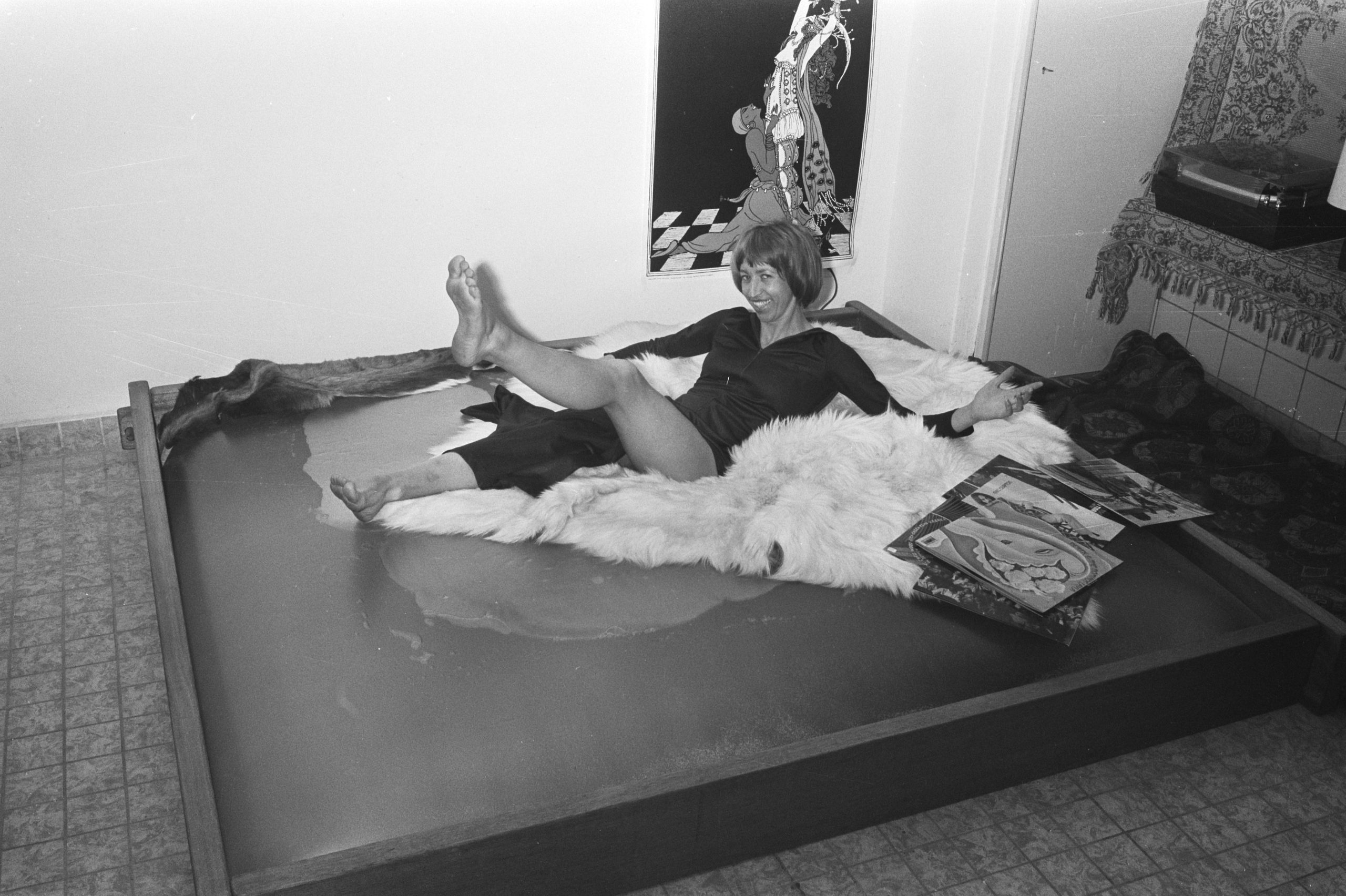
In 1968, Charles Hall, a graduate design student at San Francisco State, featured an eight-foot square vinyl mattress filled with water in an art gallery exhibition. The traditional waterbed featured a large vinyl bladder filled with water, typically supported by a heavy-duty frame.
Unlike later waveless models, early versions physically moved with the sleeper. That sloshing feeling was part of the total waterbed experience. Waterbeds could also be heated, letting owners avoid the touch of cold sheets.
Despite the allure of a warm, moving bed, waterbeds weren’t all fun and games. Owners had to set up the empty bed in the room before running a hose through their house to fill the bladder. Then, if they needed to move the bed, they had to do everything in reverse. The entire construction made water damage a real risk.
Early marketing labeled waterbeds as modern, unconventional, and sexy. According to Time, the waterbed display at Bloomingdale’s in Manhattan even became a popular meeting spot for singles. Waterbed sales took off in the 1970s, but the trend didn’t peak until 1987. While the fad largely died off in the 1990s, some sleepers still prefer the luxury of a waterbed today.
6. Putting Wall-to-Wall Carpet in the Bathroom
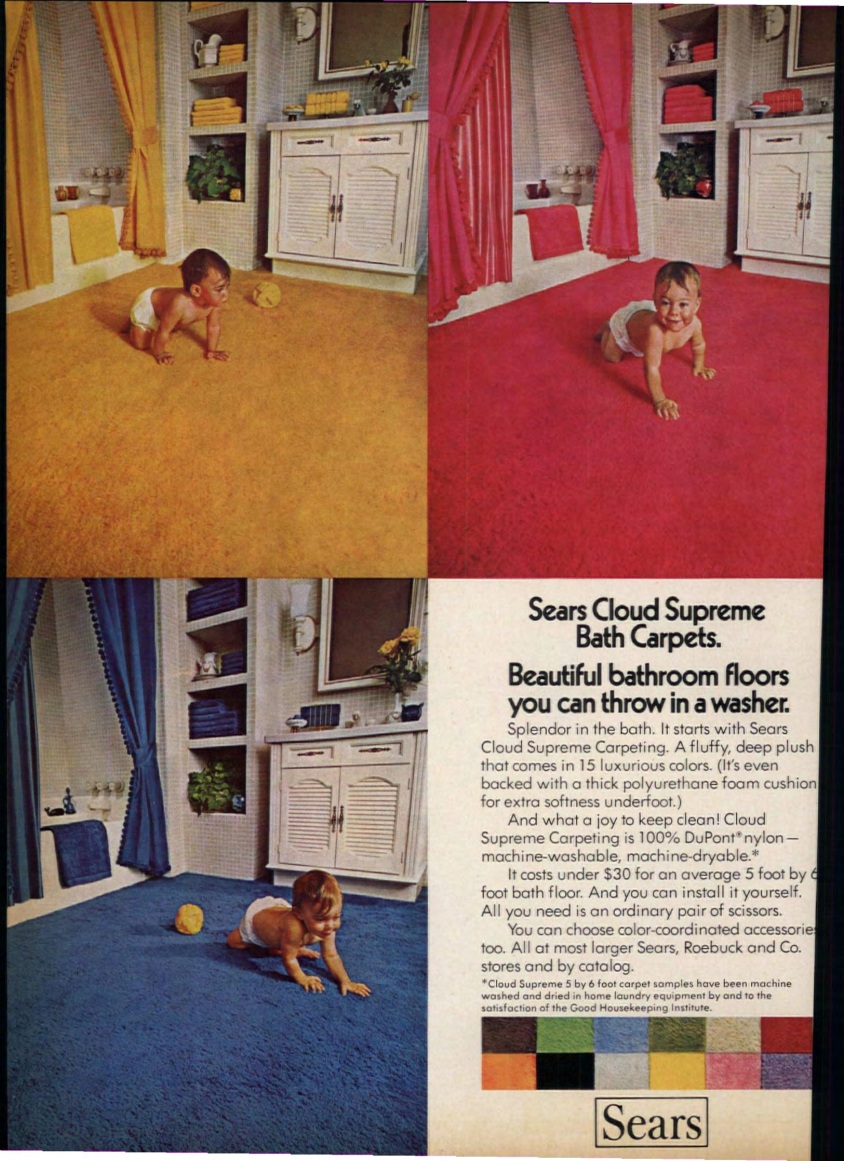
Carpet wasn’t just reserved for cargo vans in the 1970s. Bathrooms were sometimes covered in wall-to-wall carpet as a sign of luxury. Think: tubs, toilets, and vanities surrounded by piles of lush carpet.
For decades, wall-to-wall carpeting was something of an aspiration because it was so expensive. Postwar manufacturing processes made carpet more affordable for the average middle-class homeowner, though it still remained associated with luxury. Adding it in a bathroom was a game-changer for things like stepping out of a tub onto cold tile, making the warmth and comfort genuine parts of the appeal.
Then reality set in. Bathrooms are full of moisture, and carpets are great at sucking it up. Carpet and its underlying padding can absorb moisture from wet feet, leaking plumbing, splashing tubs and showers, and toilet overflows. Unlike a bath mat, carpet is stuck where it’s at. Left unchecked, that moisture can severely damage the space and cause mold to grow.
Bathroom carpeting didn’t die off at the end of the decade and instead stayed mainstream throughout the 1980s. Bathroom carpet has attempted several comebacks in recent years, with options like cut-to-fit washable carpet hitting the scene.
7. Playing With Clackers
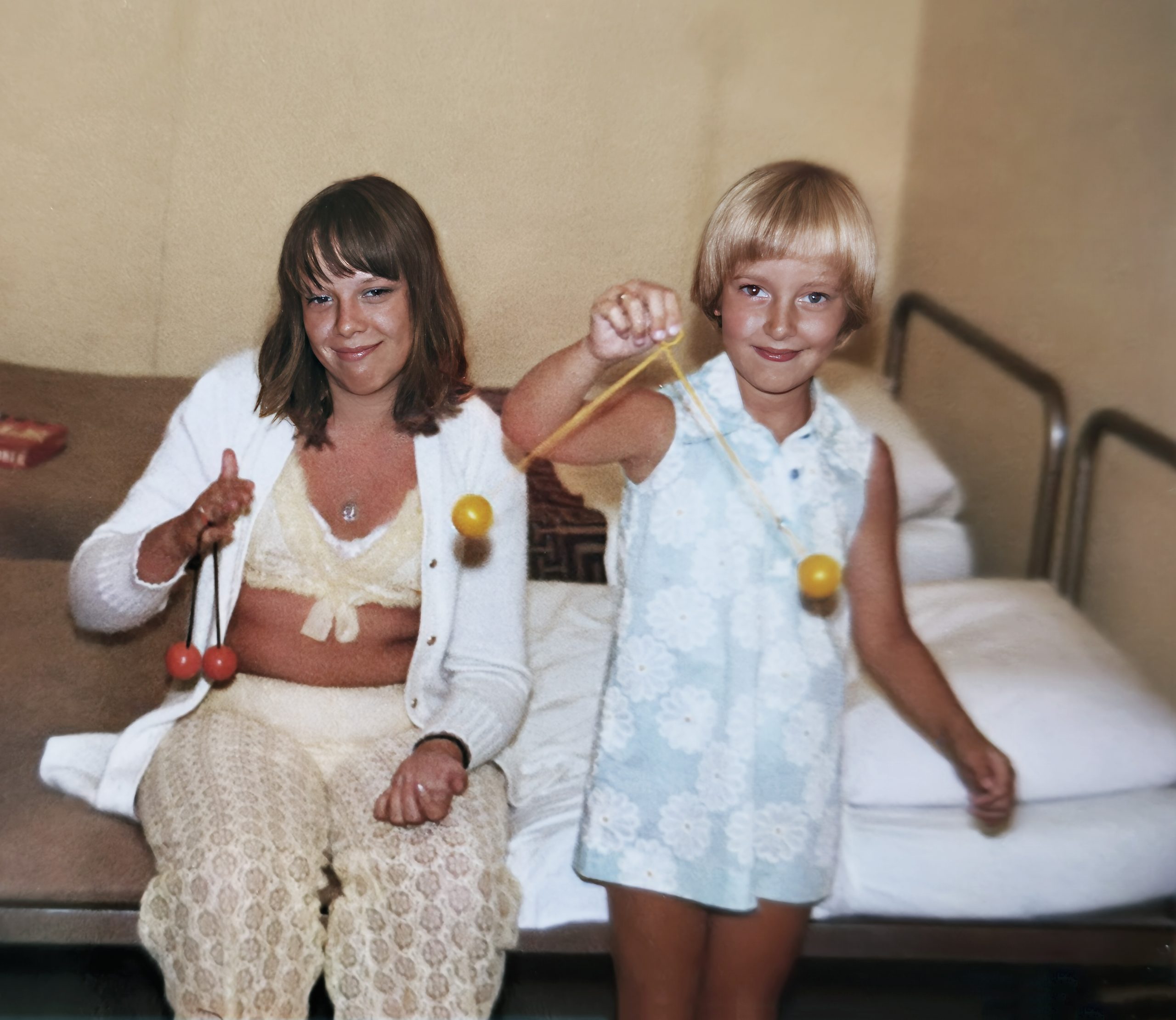
Clackers required skill to avoid painfully whacking yourself with the toy. This contraption featured two hard balls attached to cords, with a small handle at the center. The idea was to move your hand rapidly up and down to repeatedly clack the balls together above and below your hand. Each strike produced the toy’s unique sound: CLACK-CLACK-CLACK.
While there was a risk of accidentally getting whacked by the ball, that wasn’t the real danger of the clacker. Some early versions used hard plastic-type balls that shattered or cracked. Worse, sometimes the cords would fail, turning the balls into projectiles. In April 1971, the FDA classified these toys as a mechanical hazard.
Based on that information, regulations were implemented that classified certain clackers as hazardous substances and exempted those that met all safety requirements. The exemption required specific labeling, construction, and testing.
A redesigned version of clackers made a comeback in the 1990s. This version featured plastic arms that the cords hung from, offering a different way to clack the balls together.
8. Wearing Negative-Heel Earth Shoes
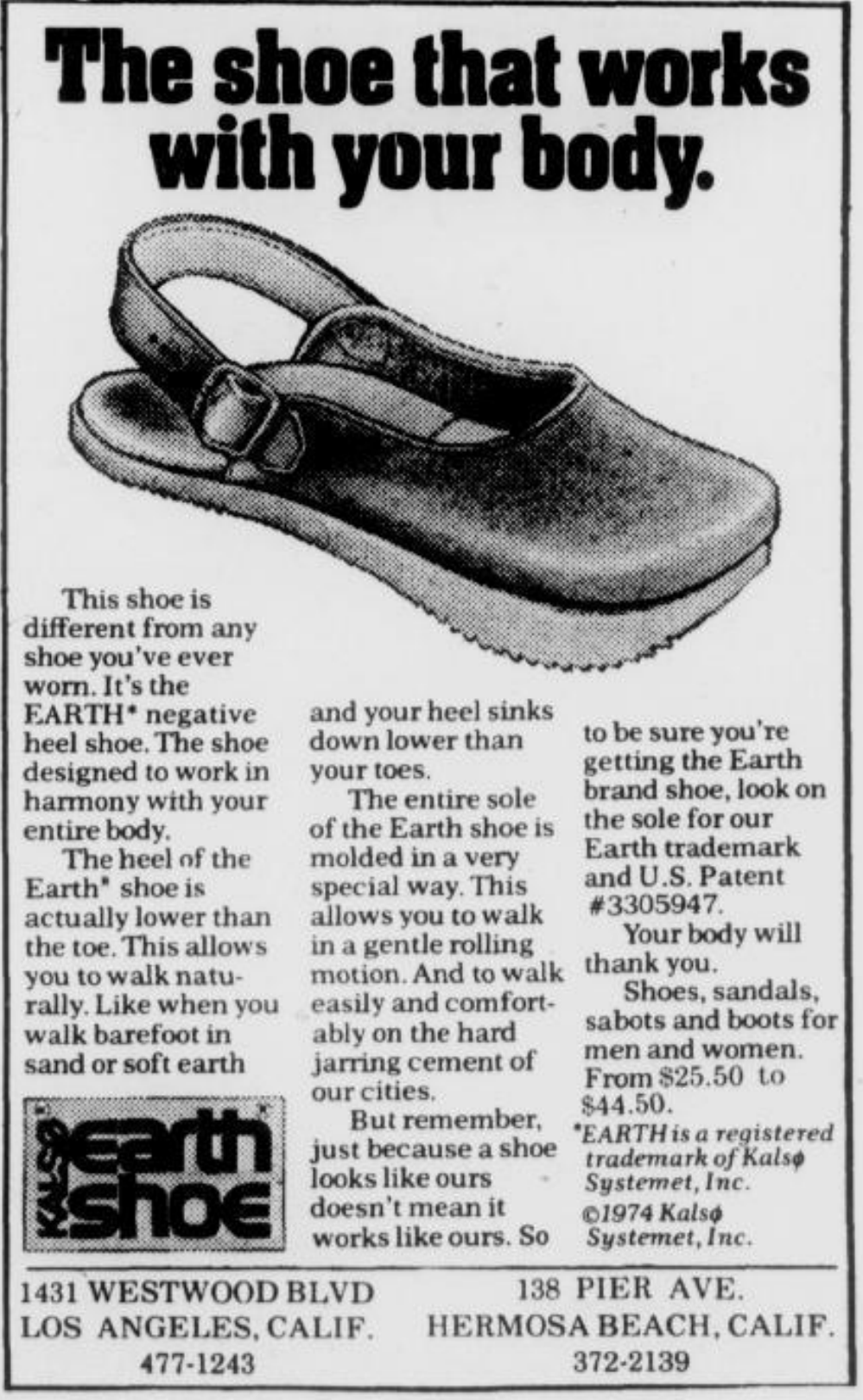
Advertised to work in harmony with your body, negative-heel Earth Shoes were designed with the heel lower than the toe. The shoes had a clunky profile with a wide toe box. Their thick rubber soles were paired with plain leather or suede uppers. Options included shoes, boots, sandals, and clogs. They were noted for their strange appearance, with Time calling them “odd-looking clodhoppers.”
Raymond and Eleanor Jacobs found negative-heeled shoes at Kalsø’s Shoes in Copenhagen and brought them back to the United States. They opened their first store in Manhattan in 1970. Eleanor described her customers as people who were into yoga and vegetarian lifestyles. Earth Shoes fit perfectly into the early 1970s culture of natural living, alternative wellness, vegetarianism, and rejection of conventional fashion.
By January 1974, around 40 specialty Earth Shoe shops had sprung up around the country. Sales peaked in 1975, and interest in the shoes began to die off. The original company faced major business problems and competition from knockoff producers, which contributed to its eventual 1977 collapse. Decades later, the brand returned with customers specifically asking for a revival of the negative-heeled shoes.
9. Checking Your Mood Ring
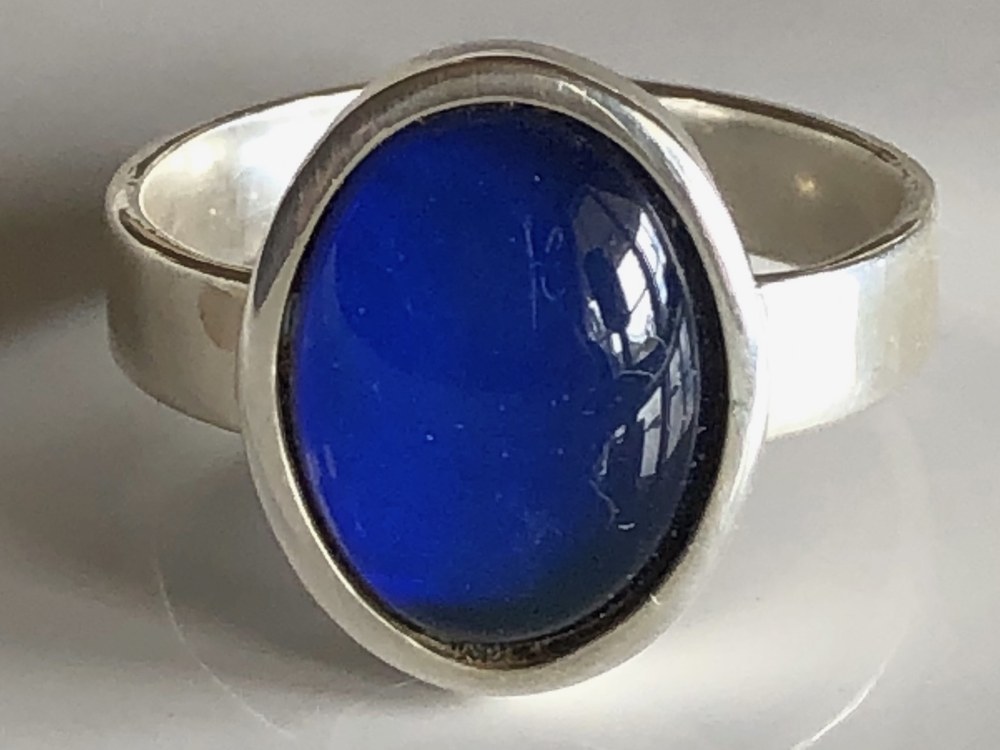
The 1970s were a period of self-expression, and what better way to do that than let everyone know what you were feeling with a mood ring. Despite what the packaging may have suggested, this color-changing stone didn’t really respond to the wearer’s mood. Instead, it reacted to their body temperature.
Still, interpreting your mood from the stone’s color was all the rage. While color guides varied by manufacturer, some associations included blue for relaxed, black for stressed, and green for mixed emotions.
By the end of 1975, around $20 million in mood rings had been sold across the country. None of the initial manufacturers secured a patent, allowing knockoffs to flood the market. Popularity was already dwindling as cheaper, lower-quality versions increased in availability. While the original 1975 craze ended, the fascination with mood rings has experienced periodic revivals, and this iconic piece of jewelry is still sold today.
10. Learning the Hustle During the Disco Dance Craze
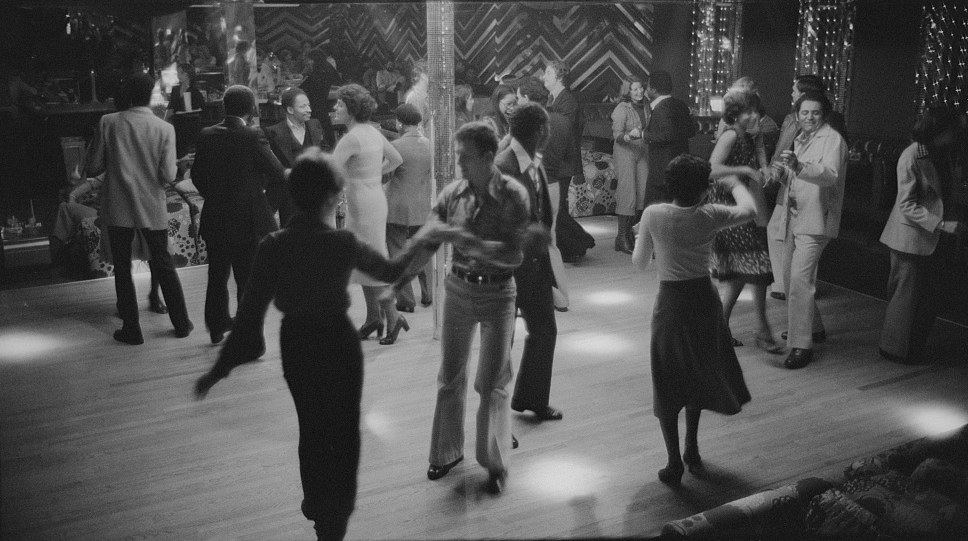
While the broader disco culture grew substantially from Black, Latino, and LGBTQ club communities, the Hustle had strong roots in New York City’s Latino communities. A lot of the popular dancing leading up to this era involved people doing their own thing. That changed with the Hustle, as it brought people back together as partners.
Unlike a lot of other dances, you couldn’t just walk onto the dance floor and freestyle with the Hustle. You and your partner needed to have the basic pattern down and then tackle the turns, spins, and variations.
In 1975, Van McCoy visited a nightclub and observed the Hustle firsthand. Inspired by the dance, he went on to create the Billboard chart-topper “The Hustle” that same year. Once the dance became mainstream, people needed a way to learn it. Dance classes, books, and television instruction devoted to disco were readily available.
When Saturday Night Fever was released in 1977, disco and the Hustle were already major phenomena. The movie amplified and transformed the craze. The mainstream disco craze cooled toward the end of the decade, but neither disco nor the Hustle ever truly faded from American culture.
Gone From the Mainstream, Not From Memory
These trends may seem strange now, but they held great appeal during the 1970s. They delivered what people wanted at that moment: self-expression, connection, novelty, and fun.
While the mainstream moment for these trends ended long ago, none of them are completely gone. Maybe you owned a clacker, learned the Hustle, or had carpet in your bathroom. Chances are, if you experienced any of them firsthand, you have a great story of your own to share.



.jpg)


Leave a Reply