
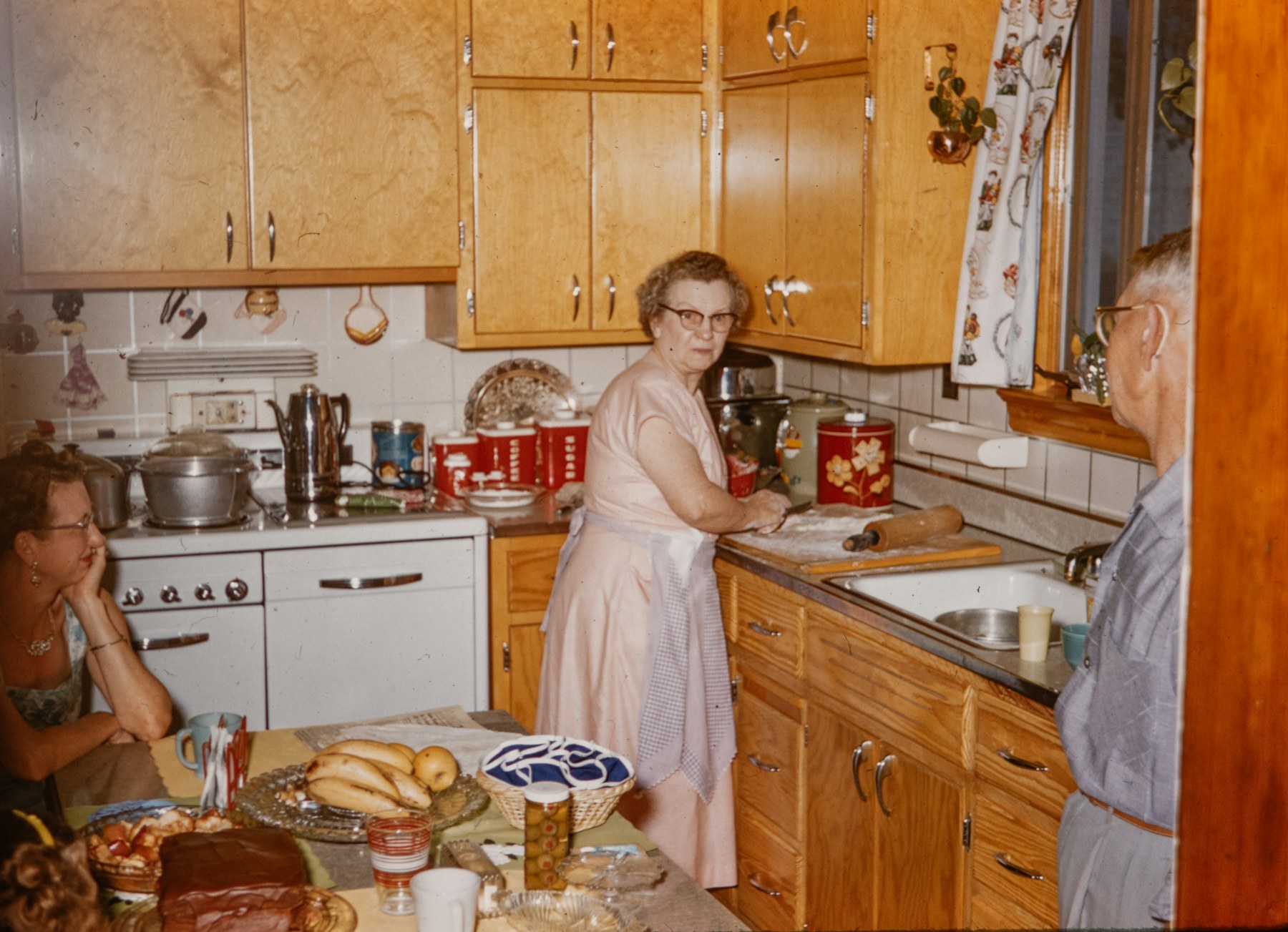
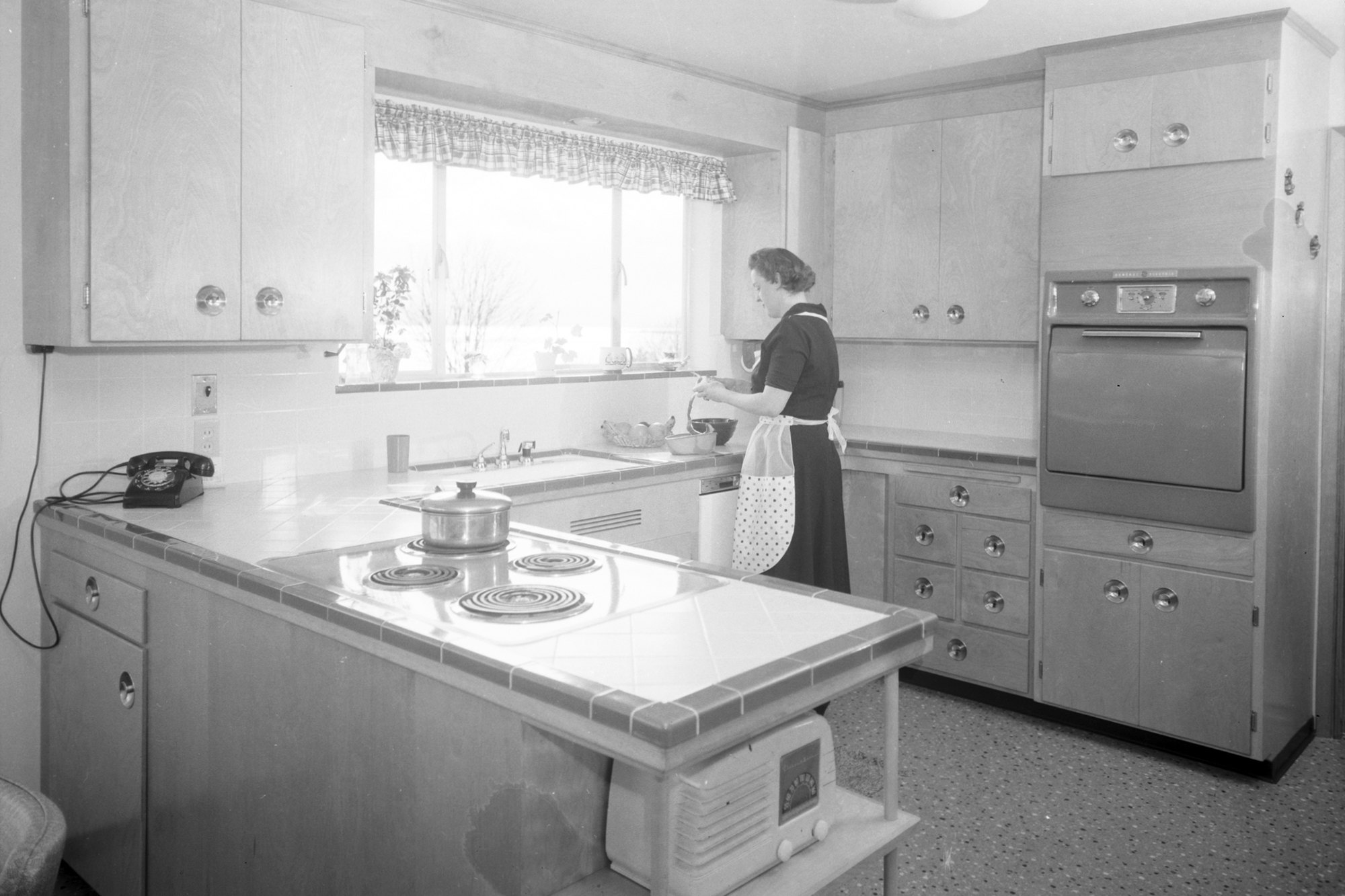
In the 1960s, entering your house was probably the most beautiful thing. You’ve got colorful objects everywhere, with sunny yellows in one room, mossy greens in the other, and even reds in the kitchen. Then there’s that crimson from the morning sun; it was just so perfect.
You may recognize some of those colorful objects. In fact, you might still have some of them in a cupboard right now. Today, let’s go back in time and check out every 1960s homeware item we used to love.
1. Colorful Aluminum Tumblers
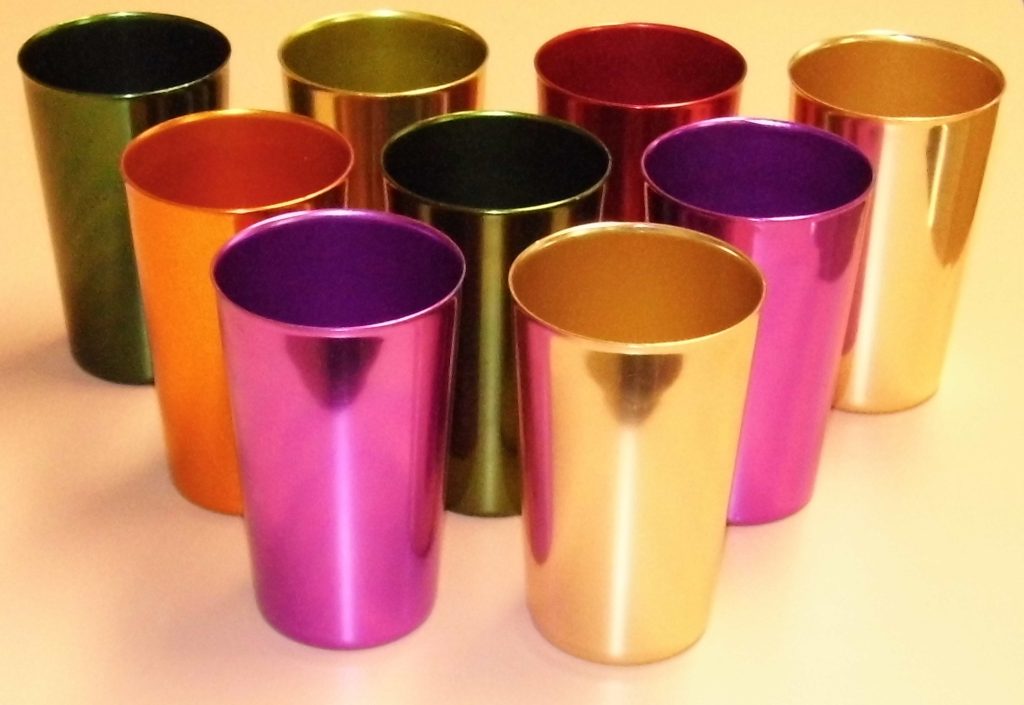
Grandma’s aluminum tumblers are the best place to start. Can you feel a cold one in your hand? The fizzing cold sweet of an iced soda in grandma’s aluminum tumbler? Brands like Bascal and Colorama made these in an assortment of colors: emerald green, sapphire blue, ruby red, glowing gold. The color was fused into the aluminum, so there was no chipping or peeling! A family might have 10 to 14 of these beauties. Every family had a favorite (and contested) color. Who got the blue one at your house? Complete sets of these were reserved for the picnic quilt, the back yard get-together or just relaxing on the porch, enjoying a cold drink on a sunny Sunday after church. They were surprisingly light, and they unstacked easily, which is more than you can say for most of today’s cups.
2. Pyrex Cinderella Mixing Bowls
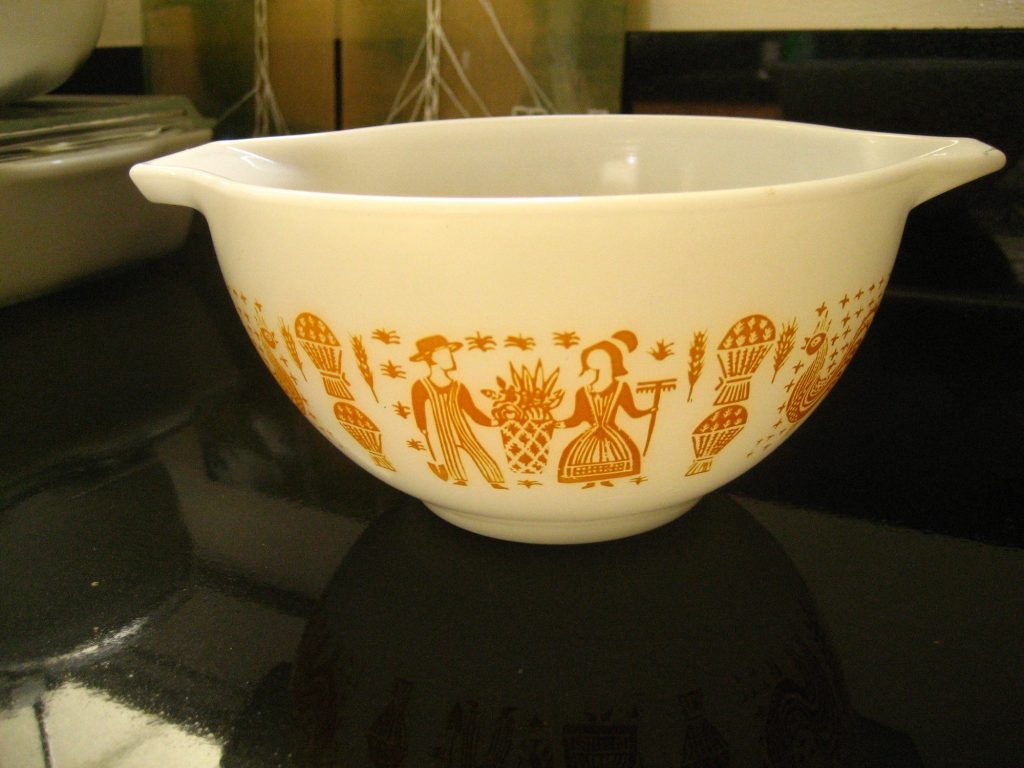
Cinderella mixing bowls are widely known as Pyrex mixing bowls. They have a lip that serves as handle and spout for pouring. Usually, they came in sets of 4 different sizes and they nested well for storage. These versatile bowls have seen their fair share of pancake batter and potato salad. The largest may have served as a holiday punch bowl! The most recognizable Pyrex print was Butterprint, which depicted an Amish farmer, an Amish wife, cornstalks and roosters. Pyrex produced Butterprint from 1957 to 1968. Most of the time, Butterprint Pyrex had a turquoise print on white glass, but you could also find it with white print on turquoise glass, as well as a version printed in gold on white glass. And yes, a lot of us probably broke at least one of these bowls.
3. Blue Cornflower CorningWare
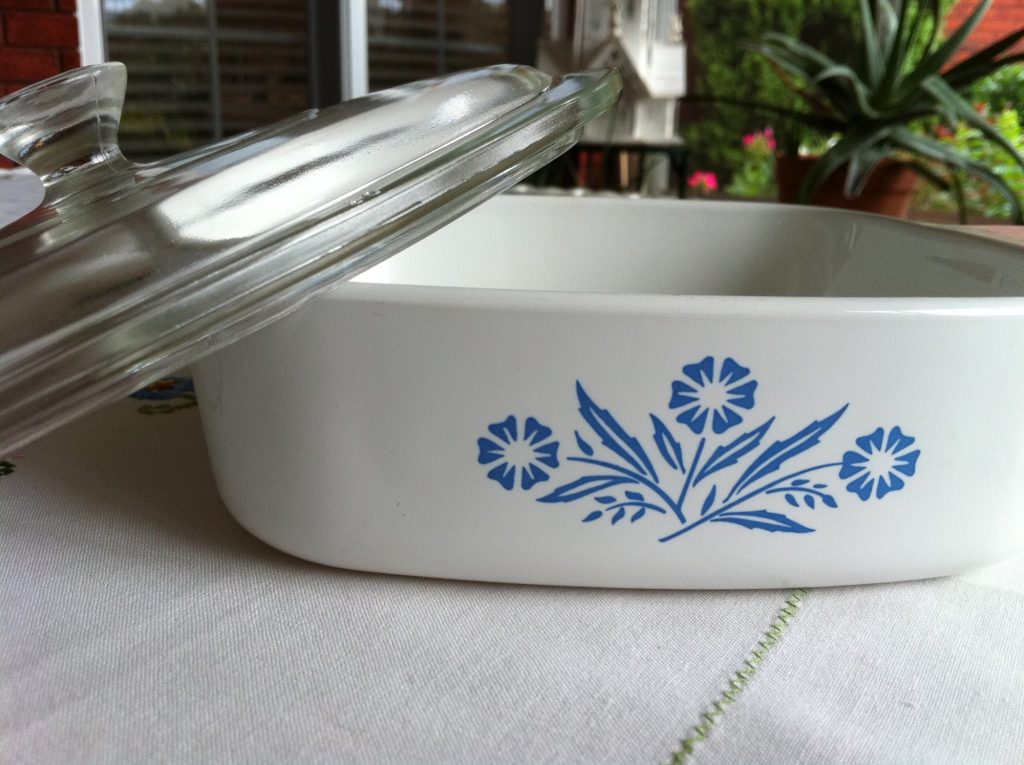
Then there’s CorningWare. These weren’t made of ordinary glass like the mixing bowls, so they felt unbreakable somehow. Corning introduced it in 1958, and let’s be honest, it changed casserole night forever.
Unlike most bowls, even the Cinderella mixing bowls, you could take a CorningWare dish from your freezer and into an oven without a single crack. Meanwhile, every piece had the same ol’ design: a blue cornflower on white. Funny enough, Corning actually started with a wheat design, and it was dropped for the cornflower after it didn’t test well. Anyway, good old days.
Cornbread from this bowl was just so good, probably as good as a cold drink from a tumbler. Besides that, you could bake something in this CorningWare bowl and take it straight to the table. No need to dirty a serving bowl after cooking.
By the way, CorningWare also came with a detachable handle for stovetop use. Yep, it was a multi-purpose bowl.
4. Tupperware Bowls With “Burping” Seals
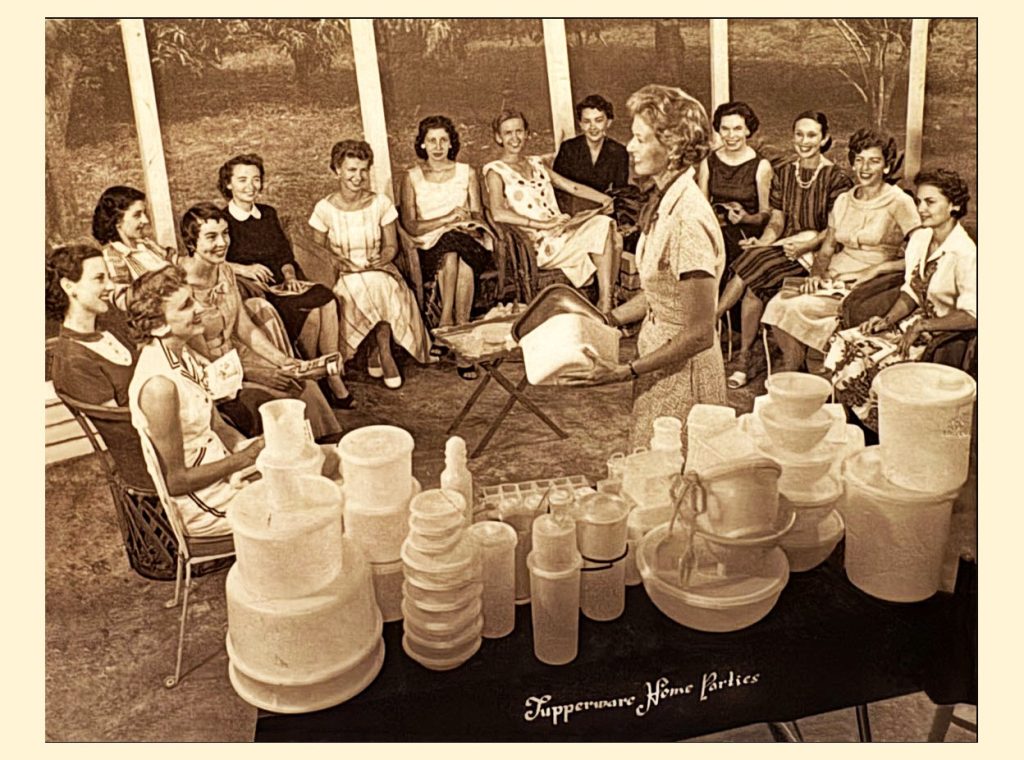
Tupperware. Tupperware. Tupperware. You had to have a rich aunt to own one of these bowls, trust me.
But the burping seal was the real deal. You could press the lid down and lift one corner to let air out. That little burp meant your leftovers would stay fresh for days. A lot of people learned this at a Tupperware party. And yes, you heard that.
Usually, a party hostess would show you the seal, usually by tossing a full bowl across the room to prove it wouldn’t leak. Early bowls came in soft, muted pastels, but later we got bolder colors like gold and avocado green.
By the way, it is true that Tupperware filed for bankruptcy in 2024, after years of falling sales.
5. Melmac Dinnerware
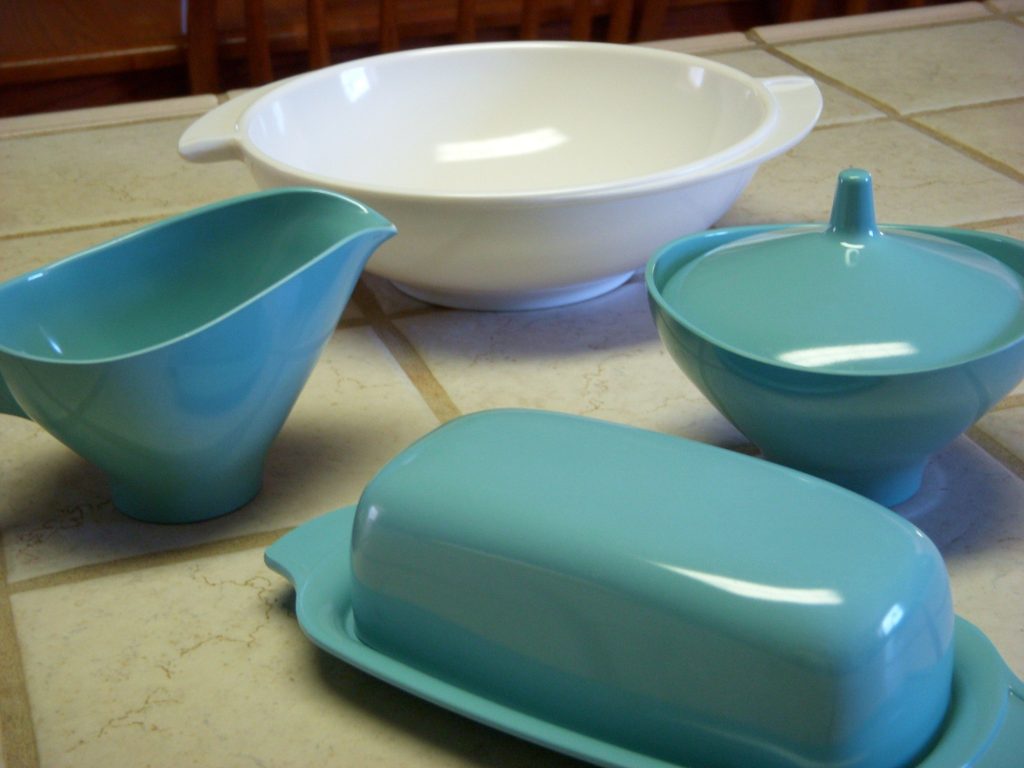
How about Melmac? Melmac is some of the most nostalgic dinnerware around. Melmac was the trade name of American Cyanamid who produced the powder used to make plates and bowls. Dozens of manufacturers produced dishes from melamine (a very strong plastic) including Boonton (one of the largest) and the uber-trendy Texas Ware. Melmac could withstand the rigors of toddler-hood, dropped trays and repeated trips through the dish-washer. Melmac dishes were popular gift items and could be had in brown, sunny yellows, orange, pastels and frequently included cups and saucers to match.
6. Folding Metal TV Trays
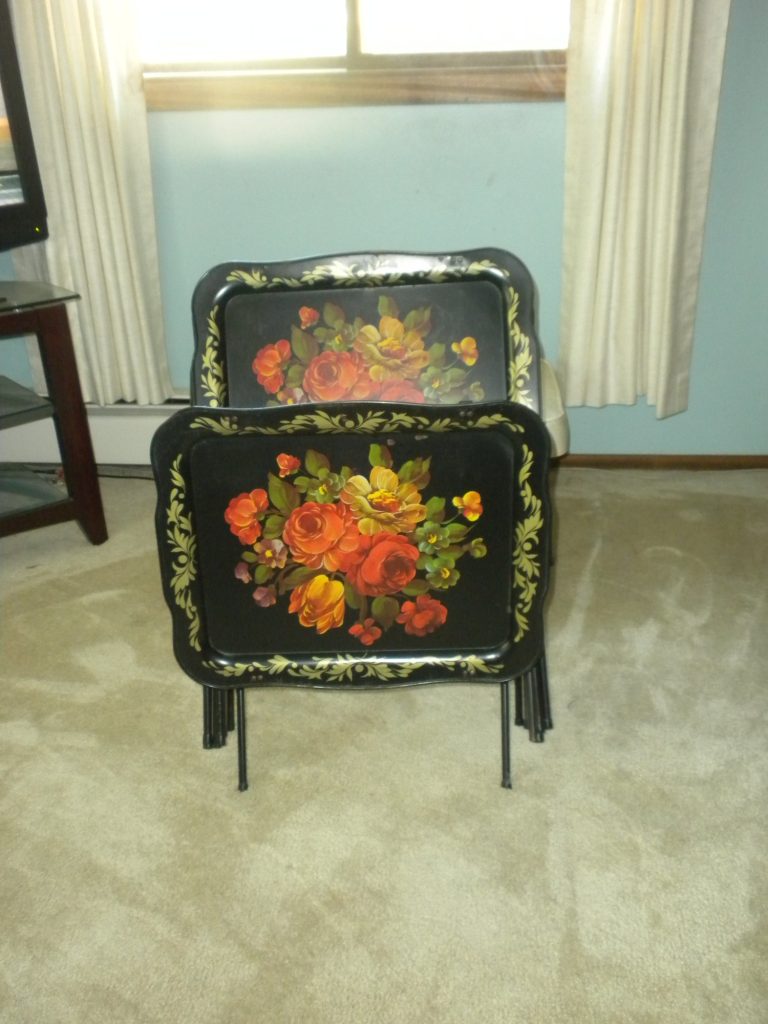
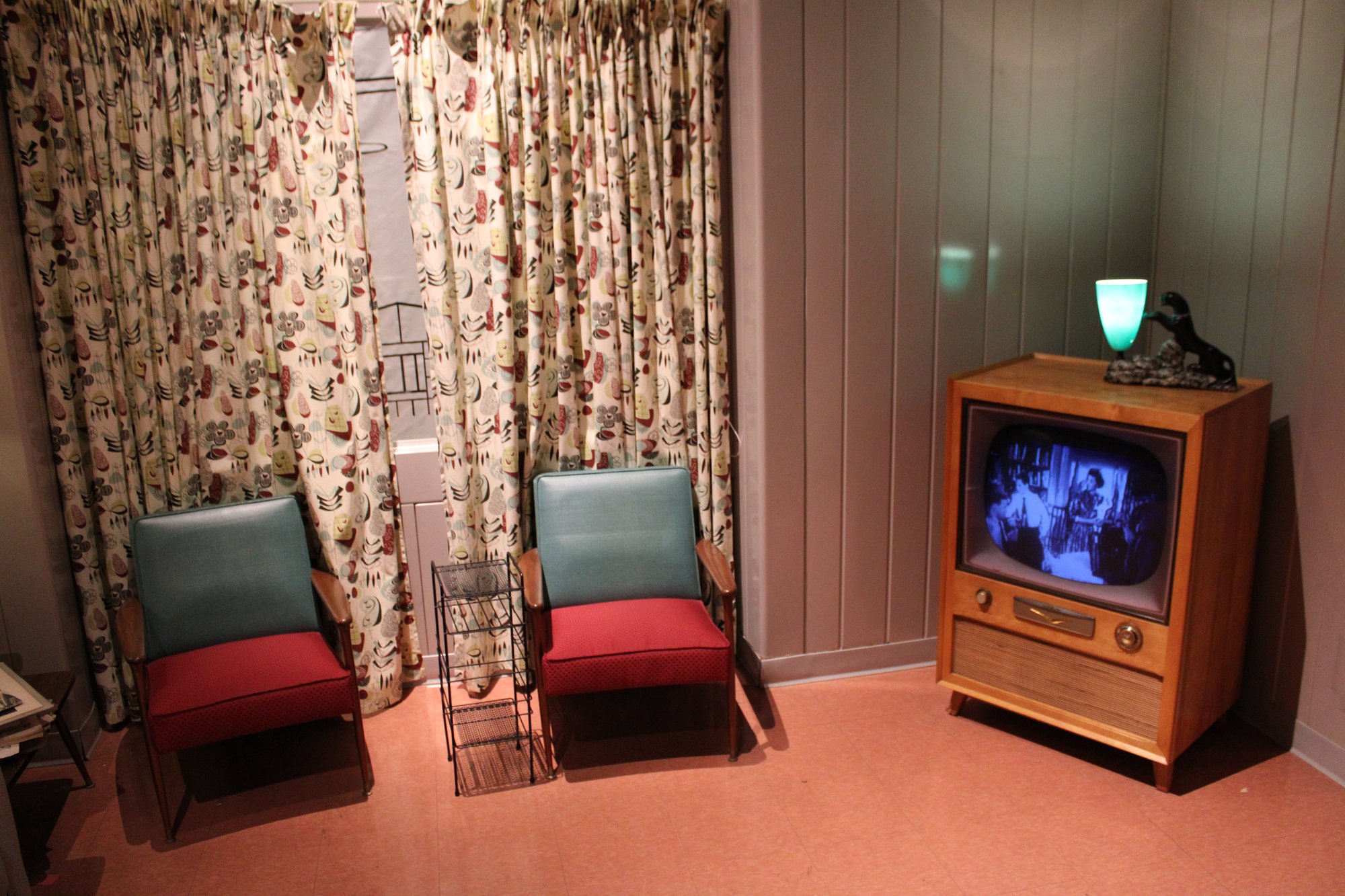
By 1960 almost nine out of every ten homes in America had a TV. And what goes together naturally like TV dinners (introduced in 1954 for 98 cents) and TV trays? These were a competitor to your dining table. Made of metal with folding legs and brightly decorated with holiday-themed (my favorite!), floral, and confetti-stripe designs, you could take these trays out on the porch at night, set dinner on top of one and enjoy the show, and after, fold them up with a satisfying click and store them on their own special stand next to your couch until you needed them again. They’ve come a long way and are still around today.
Did You Know?
Did you know that bright little Princess phone was designed by Henry Dreyfuss who also designed some of the earlier desk phones for the Bell System? You might remember Pyrex Butterprint pattern which was produced from 1957 to 1968. There are farm couples, roosters, and wheat on every piece! Did you know that CorningWare was the result of a lucky accident? In 1953 scientist S. Donald Stookey overheated some glass, dropped it and it didn’t break! A close cousin of that glass-ceramic ended up in missile nose cones, and CorningWare went on sale on August 7, 1958. The famous California dip was created in 1954 by a Los Angeles home cook. Lipton did not invent it but promoted the recipe on TV starting in 1955.
7. Chip-and-Dip Serving Sets
Back in the 1960s, you couldn’t host a party without a chip-and-dip set on the table (it was almost a crime!).
The set included a big bowl for the chips and a smaller bowl for dip, held together by a curved metal bracket. They used to be really colorful too, with forms like avocado green and harvest gold.
And trust me, you could start a whole conversation about this set, just not with your crush. Anyway, guests could grab, dip, and mingle without ever needing a spoon or a plate.
Oh, and there was one particular dip at nearly every party back then: sour cream and dried onion soup. It first turned up in 1954, Lipton started promoting it, and it never really left, even till today. It was called California dip, and uhh, don’t ask me why.
8. Fondue Pots With Long Forks
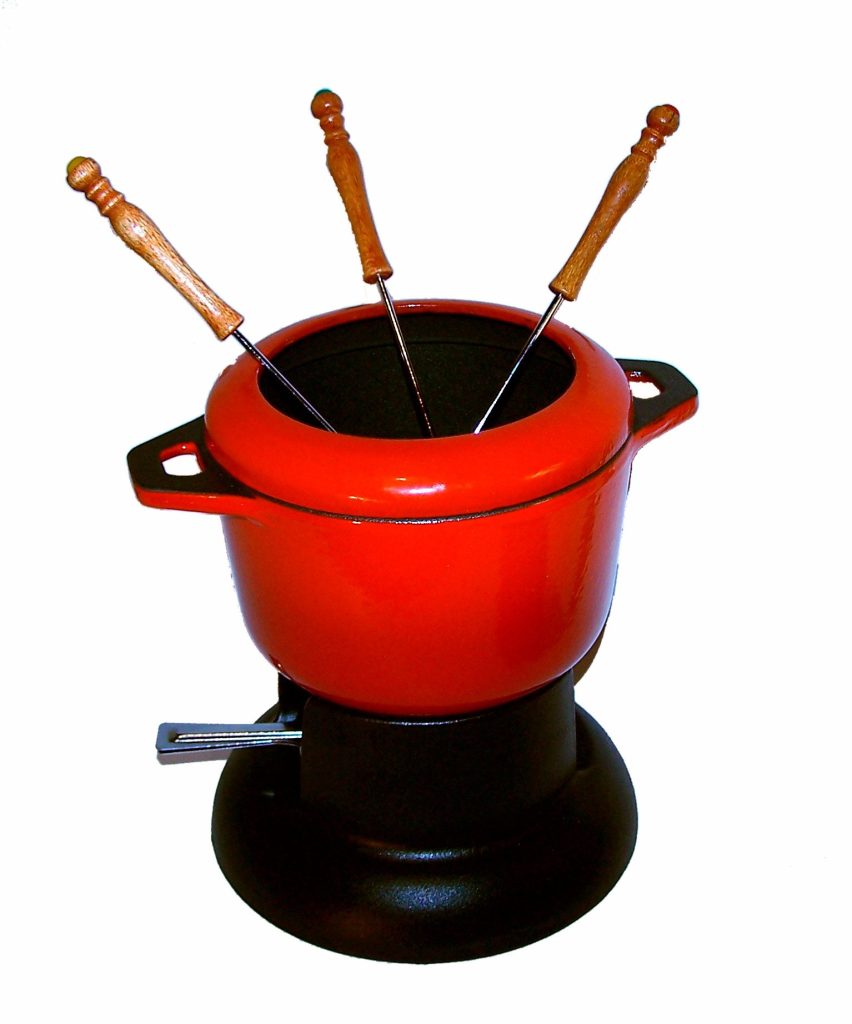
Fonduuueeeeeee!
Fondue literally crossed the ocean before it reached American homes in the 1960s. It first appeared at the 1964 World’s Fair in New York, served at the Swiss Pavilion’s restaurant. Of course, every cook and chef wanted to try it out, and utensil factories got wise.
That’s how we got fondue sets.
A fondue set came with a pot, a small stand, and a flame to keep everything warm. When eating, everyone got a long fork with a different-colored handle or tip. That way, you don’t accidentally spear your neighbor’s cheese-soaked bread.
It inspired dozens of recipe books and plenty of fondue parties.
9. Veg-O-Matic Vegetable Slicers
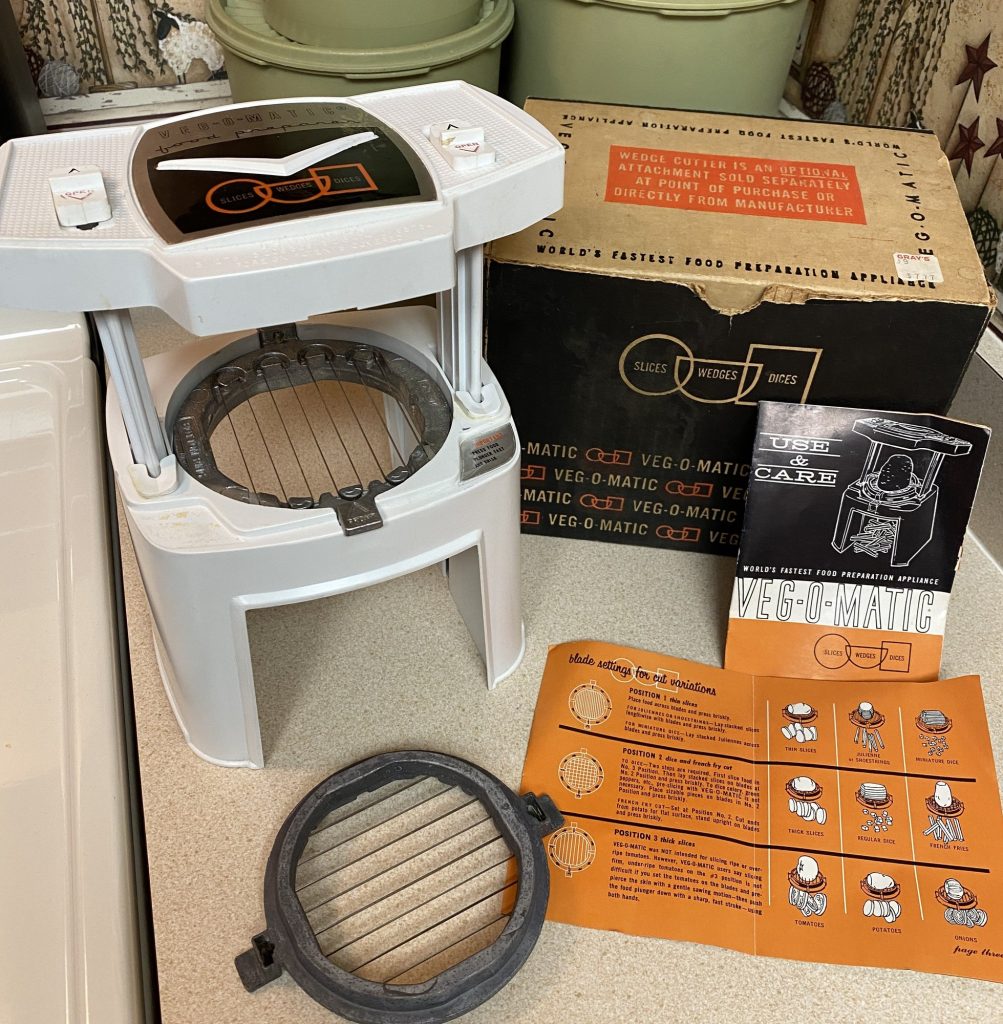
The Veg-O-Matic vegetable slicer, invented by Samuel Popeil, debuted in 1963. It was sold in TV commercials by Ron Popeil, Samuel’s son, who became famous for his TV pitches for gadgets like it. The line “But wait, there’s more” is burned into the brains of anyone who remembers those commercials. The Veg-O-Matic was one of the handiest kitchen gizmos around, even if it wasn’t quite as helpful as some of the TV pitches indicated. The Veg-O-Matic needed no electricity, just a little muscle, and you just pressed veggies into the blades atop the gizmo and got back nice even slices of cucumber, potato and onion.
10. Pastel Princess Telephones
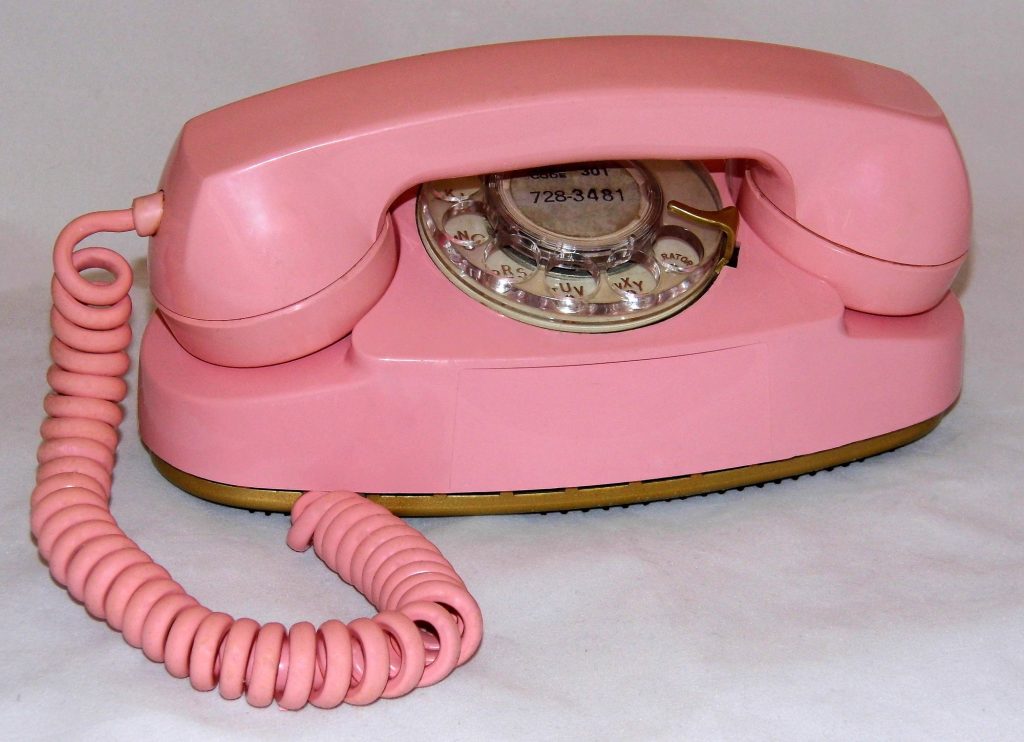
Back in the mid-1900s, you had telephones, and “The Telephone.” Sounds kinda weird, right?
Before 1959, telephones were bulky and came in black. The Princess telephone was way different; it fit on your nightstand, and its dial lights were “glow-in-the-dark”. Best of all, it came in pink and even aqua and turquoise (probably the most ridiculous colors back then!) The company that made the Princess phones sold it to women and teenage girls by telling them the phones were “little and lovely.” Since phones back then plugged into a fixed wall jack, the Princess was so long that you could stretch the cord as far as it was to your room upstairs.
I think these phones appear in a couple of 1970s movies.
11. Sunburst Wall Clocks
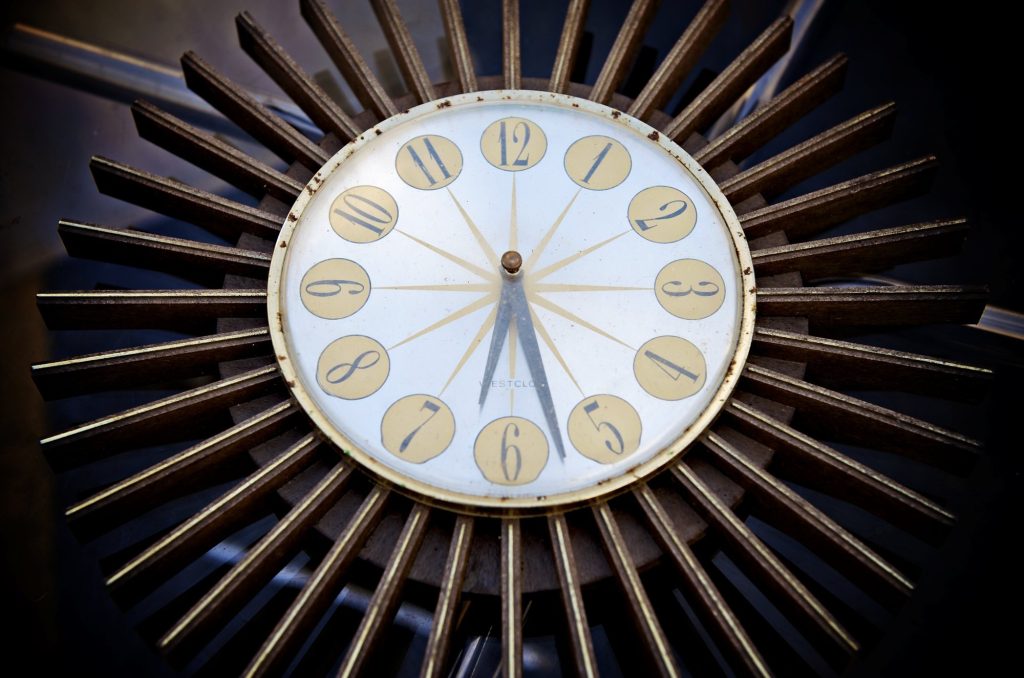
Back in 1960 hanging a Sunburst clock on your wall was the way of showing off your money, and it’s probably still that way too. The clock’s primary function was to decorate a wall because telling the time was almost an afterthought. The clock’s design was inspired by the atomic / space-age look, a hugely popular design motif at the time. There were different variations of the clock, some had wooden sunburst rays, others had brass spikes. There were wooden rays in rich, warm colors including walnut. Many clock companies jumped on the bandwagon and released their own version of the sunburst wall clock. The original Sunburst wall clock was designed back in 1949 by George Nelson’s design studio for the Howard Miller Clock Company. Nelson’s prolific studio produced over 150 clocks for Howard Miller who went on to sell them from 1949 into the 1980s. The lead designer on the clocks was Irving Harper. Personally, I never really liked them that much.
12. Lava Lamps
And finally, Lava lamps. These trended so well that, even until 2010, a lot of kids wanted them.
Lava lamps came into the U.S. in 1965, appearing under the name Lava Lite. I know what’s on your mind right now: what’s that flowing thing inside? It was colored wax that rose and fell under a small, hidden light bulb. The bulb heated the wax until it rose, then cooled and sank back down.
I don’t think we used that lamp to see anything; it was just a techy decoration.
And that’s all on our list today. I’m pretty sure every 1960s kitchen had at least one of these, including your grandma’s. How many did you recognize, or do you still own one? Tell me which one brought back the best memory.
More trips down memory lane: open the pantry on the snacks that only existed in the 1960s, or flip through Grandma’s recipe box.
Photographs are used under Creative Commons licenses or are in the public domain, as credited in each caption.

Leave a Reply