
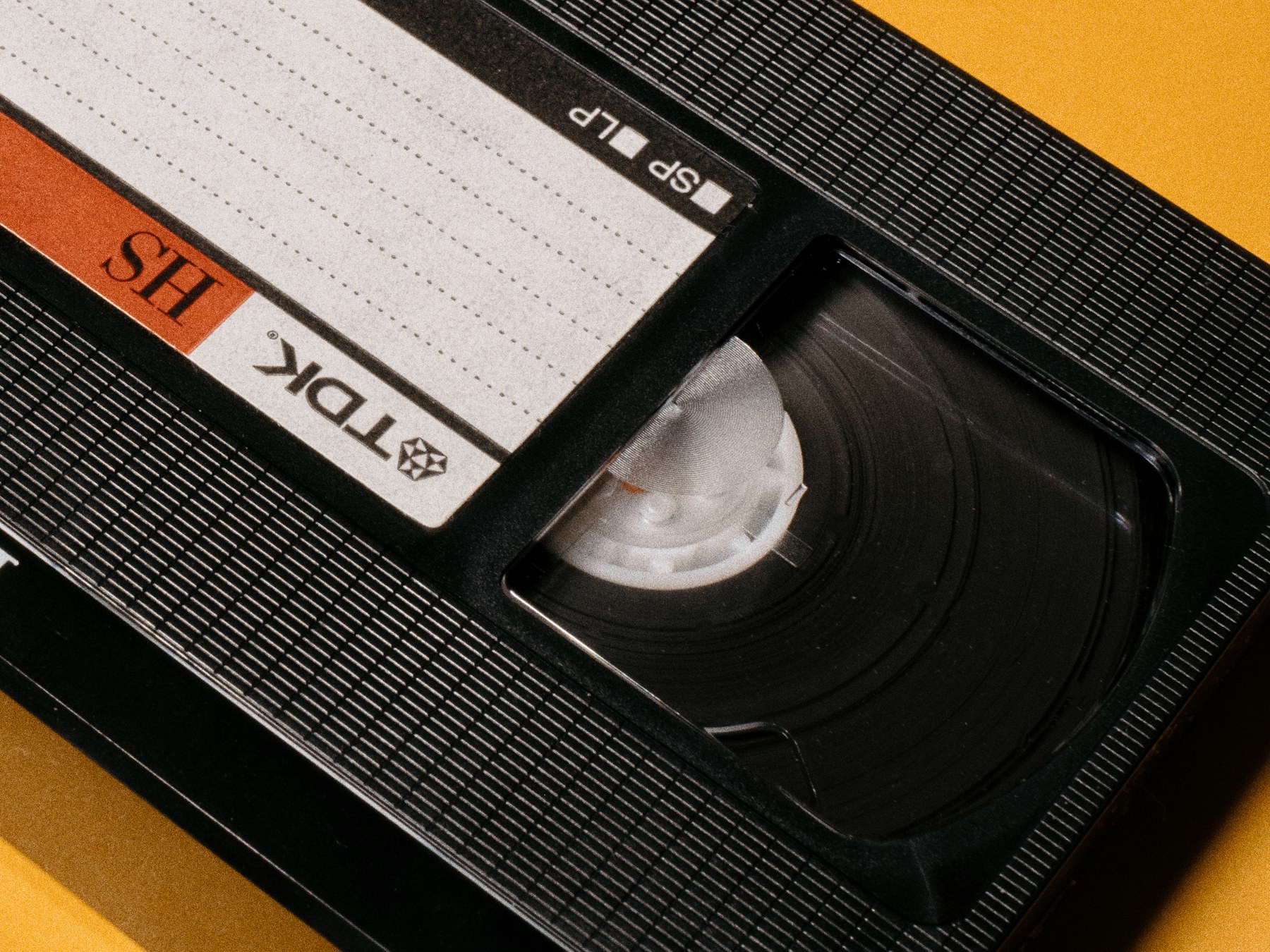
For some reason I cannot help but smile when I see Blockbuster. When Blockbuster first entered my life I had already reached adulthood. In my late thirties, I would cruise into Blockbuster Video on Friday nights to decide what we were going to watch that weekend. Blockbuster would be coupled with a Domino’s pizza, a two-liter of Coke (or maybe a glass of wine) and Friday night was officially underway.
Whenever Blockbuster is mentioned, people tell stories of their own. Similar to me, the most memorable parts include going to Blockbuster, agreeing on a movie everyone likes, praying that movie is in stock, convincing them to get one more movie and walking into the parking lot and placing the bag in the car. At that point, Friday night had begun. The actual viewing of the movie seems to fade into the background.
1. The new releases wall
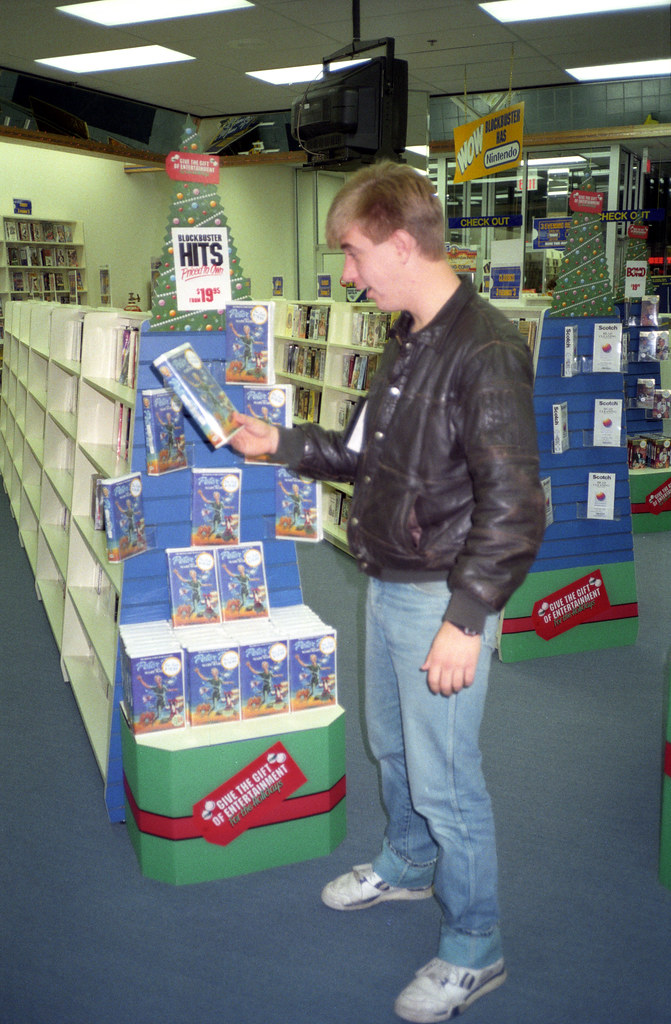
The comedy and drama sections were our refuge if we got bummed out at the new releases wall (almost always our first stop) only to find that the big name that took up several rows’ worth of real estate was nowhere to be found. On a Friday night there was a good chance that much of the wall was already plucked bare, revealing what our fellow townspeople had in store for the weekend. Finding that empty space where your pick was supposed to be instantly soured your evening. So you’d wander off to the side sections and start fresh with renewed vigor and optimistic eyes. Maybe there was another great comedy or drama just waiting to be discovered. You might even like it better than what you came in for. Moving from the A-list front burners to the B-list periphery was an experience we all had in common.
If you miss that wall of new releases, this handy tool lets you browse the latest movies on your favorite streaming services.
2. Asking if one had just come back
I miss that small suspense: would this very video have been among those recently returned? You asked the clerk at the counter, and, as a last hope, he’d rummage in the returned pile behind the counter. The clerk’s quick search meant that you (and whomever accompanied you) had something to do. And, failing that, there’d be the trek back into the aisles again. At the time it didn’t seem like much, but now I miss those quiet moments of standing around, waiting for an answer.
“I worked at a Blockbuster in the mid 90s. New releases always came out on Tuesday. We would have regulars come in their lunch on Tuesday to get the new release. I would also see people come in early on Friday hoping to score as well. People would wait in store by the drop box hoping someone would bring back the movie they wanted.”
— Vericatov, via Reddit
3. Domino’s, a two-liter and candy at the counter
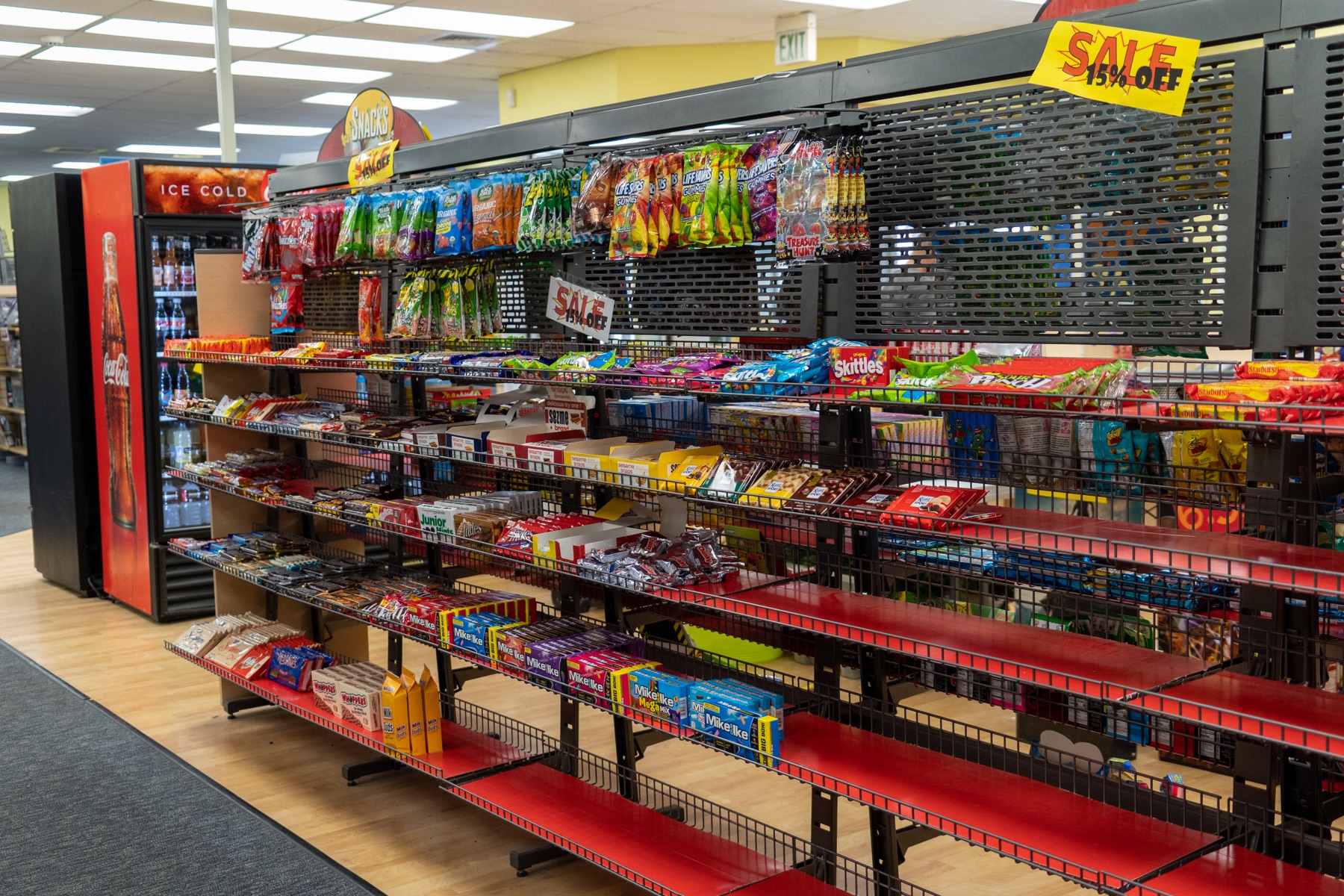
And of course, no trip to Blockbuster would be complete without stopping by the popcorn and candy located conveniently (for impulse buying purposes, no doubt) right by the check-out area. The arguments about what to get got started at that point and continued on in line. And all of it took place during the head-rush to make sure we got a movie picked out in time for Domino’s infamous 30 minute pizza delivery. Domino’s actually used to guarantee delivery in 30 minutes or less, a promise it stopped making in 1993. Movie night meant Domino’s, with either a two-liter of Coke or a glass of wine, depending.
“We had a pizza shop right next door [to our] video store. We’d order a pizza and while it was cooking we’d go find a movie or game. Often debate over which one to get while also making note of what ones to get next time. It was something you would look forward to and always reminisce on.”
— jpob, via Reddit
4. Making the rental count
There was plenty of time to read the back of a VHS box, because it did matter. Then the movie arrived at your house, and you watched it. No one wanted to get back in the car and start over again because there was no new catalog to flip through on TV. Even if the rental was a dud, everyone had something to discuss.
5. The membership card
And then, once you were done, you’d take the tapes to the front and hand them to the clerk, who would pull up your account on their computer and ring each tape up one by one. And then, they’d announce, to you and everyone else in line behind you, how much money you owed. Which made late fees a fairly public experience. Which is sort of embarrassing to admit, now.
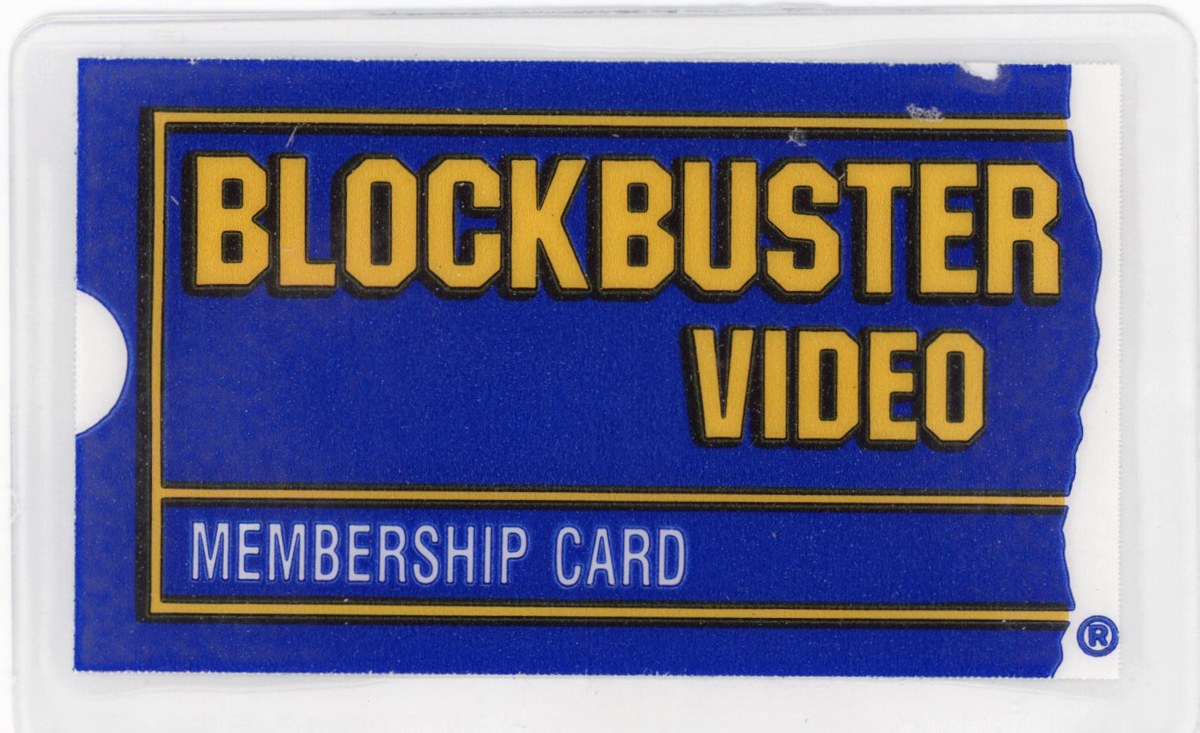
I can still remember carrying around my Blockbuster membership card in my wallet. That little plastic rectangle was the key to the whole system. The first Blockbuster opened on October 19, 1985, in Dallas, with about 8,000 tapes. The store also featured a then-radical computerized checkout system. By 1989 a new Blockbuster was opening somewhere in America every 17 hours.
6. “Be Kind, Rewind”
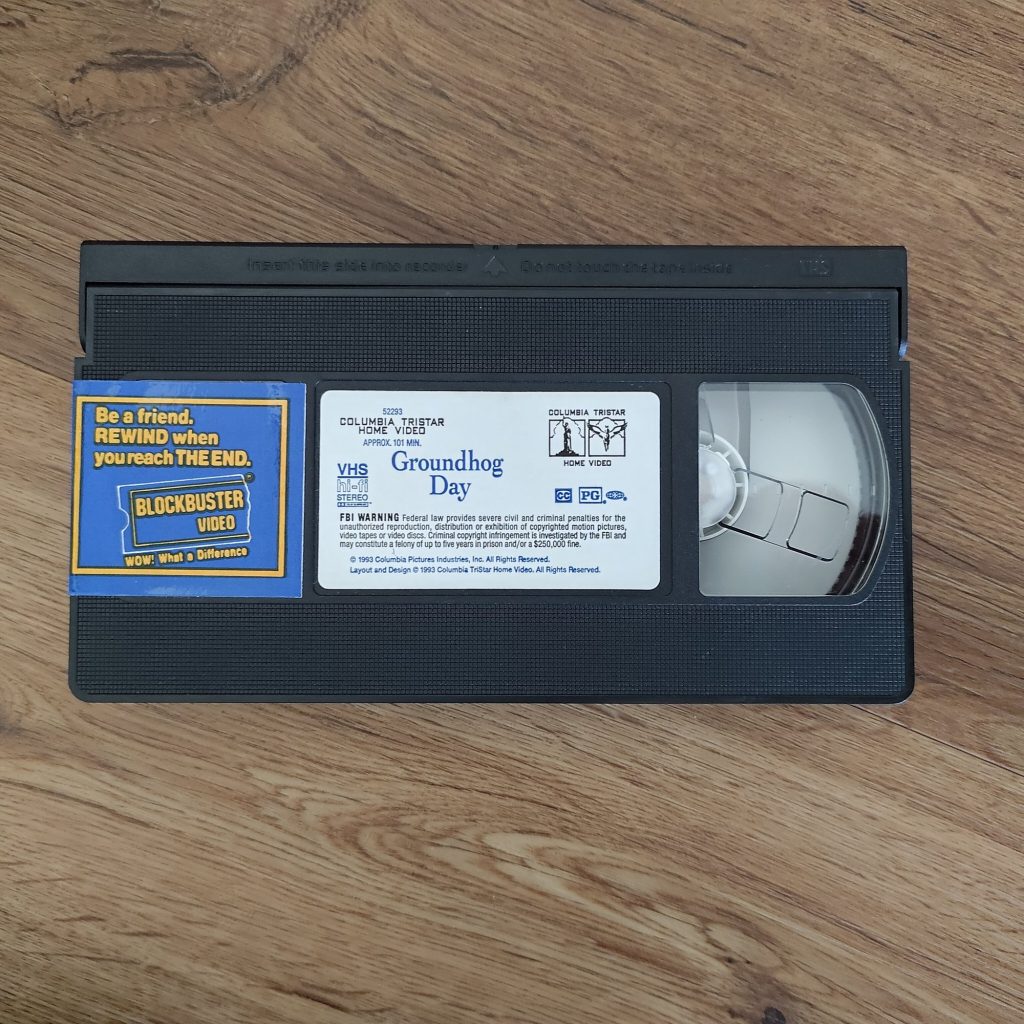
Blockbuster might charge a fee if you forgot to rewind a movie. If a movie was due back and the credits started rolling you’d hit stop and rewind. Some people had a dedicated tape rewinder (shaped like a sports car, naturally) so their VCR wouldn’t wear out as quickly, which made rewinding more of a novelty. The process wasn’t terribly long. The tape’s pitch changed as it neared the beginning. And then there was a clunk and you were done. Forgetting meant the next person would have to start from the end of the movie. Rewinding tapes was part of the process of renting movies. An unfortunate cost of renting from Blockbuster back in the day. But absolutely worth it, no doubt about it. Can you remember that process?
7. Renting games, and sometimes the whole console
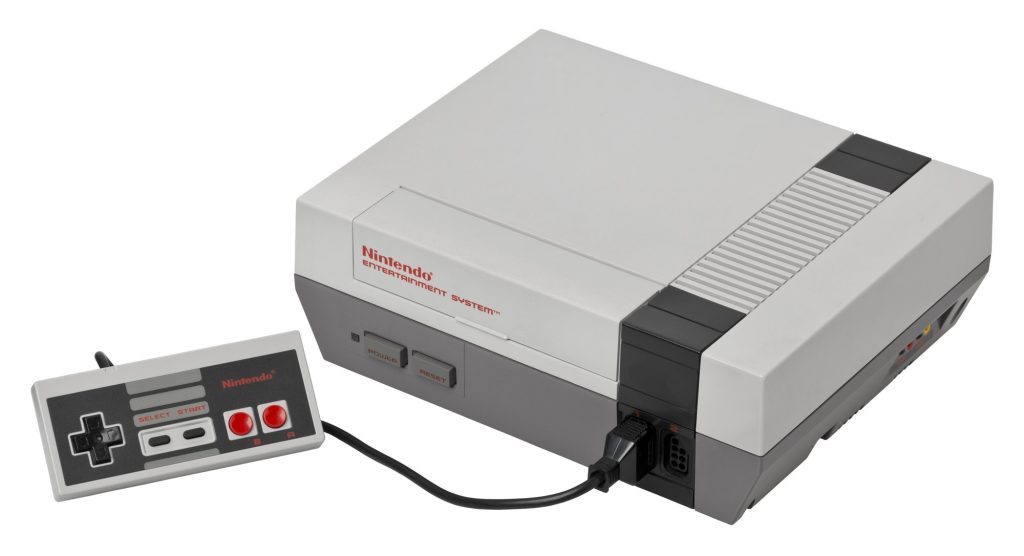
Renting games was a gift for any kid in the house who couldn’t afford to drop all their allowance on every tempting new game they saw. Blockbuster even rented out consoles (very unusual back then), and half the time the games had mediocre (or worse) gameplay that was in no way represented by that awesome looking box. Even the manual was sometimes a photocopy with missing pages. Kids played these games with glee anyway, because rental timers were ticking, and they didn’t know Blockbuster got sued by Nintendo in 1989 over photocopied game instructions! All they knew was that renting games was risky business that made playing them all that much more charming during weekend rental periods.
“I had an SNES when I was young, but I had to rent most of the games I played. I never had a chance to play popular games like Super Metroid or A Link to the Past, they were always rented out. I did however rent Loony Tunes B-Ball like 8 times…”
— AgnosticTemplar, via Reddit
8. Running into everyone you knew
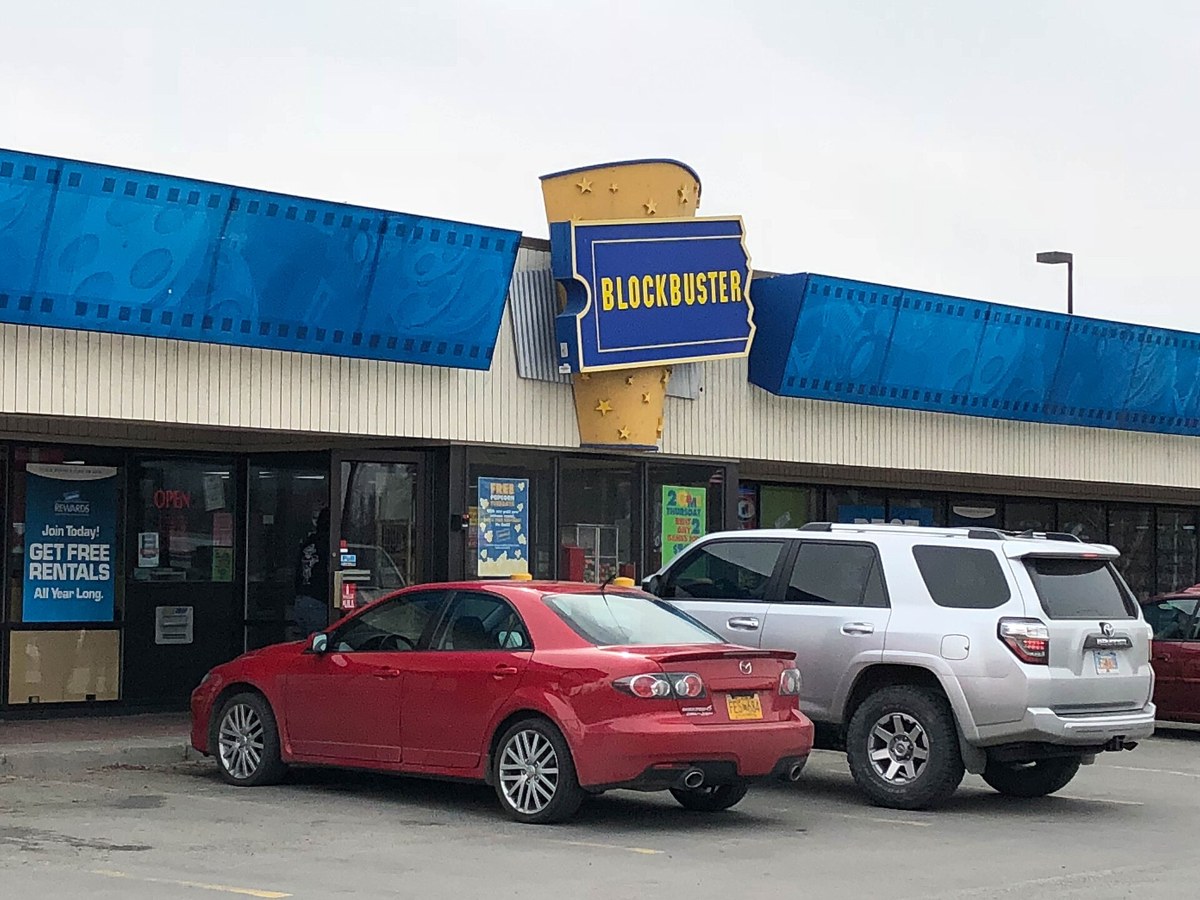
Blockbuster crowded out independent video rental shops all over the country, but there’s something to be said for the accidental community aspect of Blockbuster, especially in towns without independent video shops. On a Friday night at a video rental store during Blockbuster’s heyday (it had 9,094 locations and approximately 84,300 employees at its 2004 peak) you’d be surrounded by your neighbors and coworkers and teachers, all of them bearing movies under their arms and wandering around in a brightly lit environment. It gave you a sense of their personalities that you couldn’t get in a school or work setting. And then everyone would have to stand in line to check out because there was only ever one guy at the register, and someone always had an issue with their account, and it was a chance to talk with your fellow townsfolk. It made a giant corporate monoculture chain store feel like a community center because you’d be seeing the same people over and over. Independent shops had the benefit of clerks with an encyclopedic knowledge of film who could point you in the direction of a strange and wonderful movie, but they couldn’t match the communal aspect of the Blockbuster experience. It’s rare nowadays that an entire community participates in some sort of activity together.
9. The drop box after dark
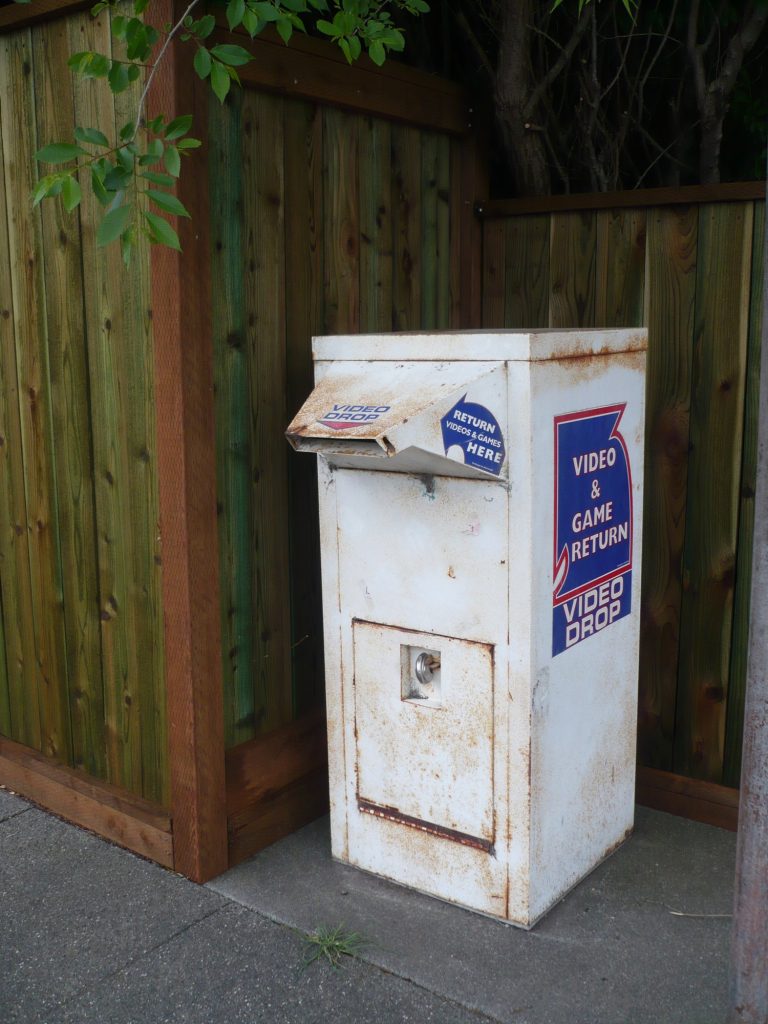
The dropbox at night made it easy. You didn’t have to even go inside. There was a little opening on the outside. And it made you wait until the last possible minute. And then you would just drop the tape in and hear that clunk. And you hoped that whoever was on duty was diligent about getting the tape scanned, so that your account wouldn’t get hit with another late fee.
“A guy with my same first and last names lived 3 blocks from me in the 90s, and our wives’ first names were the same. I’m pretty sure we paid each other’s Blockbuster fines a few times.”
— LovableSidekick, via Reddit
10. Late fees
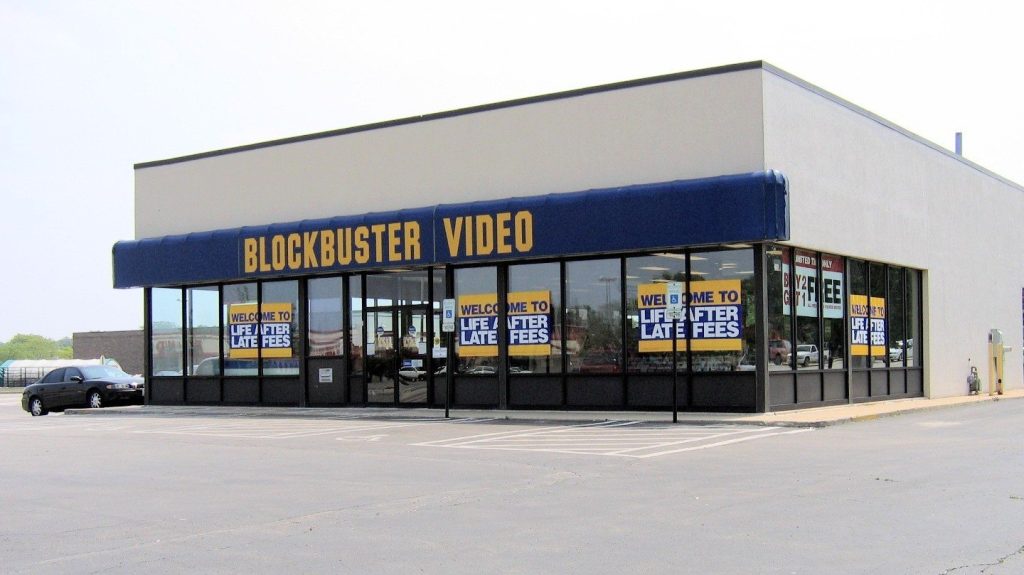
Blockbuster’s fee-riddled system frustrated plenty of movie lovers. By the year 2000, Blockbuster was making approximately $800 million from late fees alone, which is about 16 percent of their revenue. Netflix’s simple, deadline-free DVDs-by-mail service was a breath of fresh air. For the first time, you could pop in a DVD, kick back and relax, and not worry about those pesky late fees creeping up on you. In January of 2005, Blockbuster started advertising its policy of ’No More Late Fees’, but in March of 2005 Blockbuster reached a settlement with 48 state attorneys general about its advertisement of its policy. The fine print said they could still charge a fee if a customer kept a movie more than a week past its due date.
By the Numbers
- 9,094 stores and about 84,300 employees worldwide at the 2004 peak.
- $800 million collected in late fees in 2000, roughly 16 percent of revenue.
- 48 state attorneys general settled with Blockbuster in March 2005 over “No More Late Fees” advertising.
- One store left in Bend, Oregon, the last Blockbuster in the world since 2019.
11. The aisle that gave you away
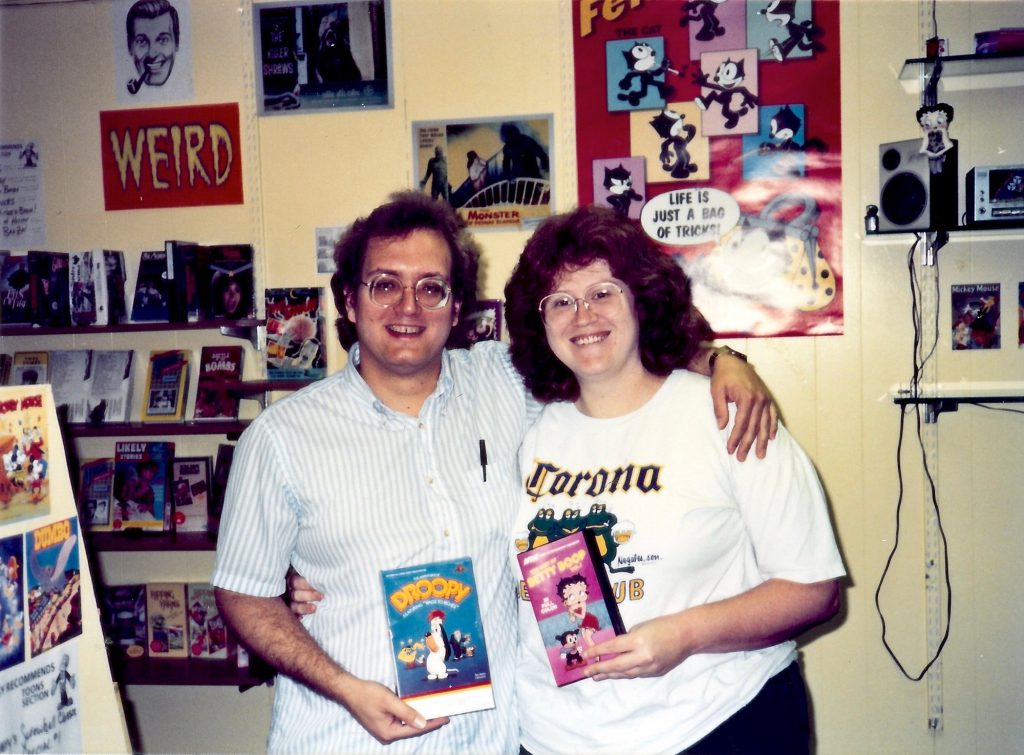
Each section had its charm: horror had the best artwork by far, the family section ended arguments, comedy was a sure thing. Before algorithms sorted people out for us there was an unspoken language of aisles, if you knew someone well enough you’d know which way down the aisles they’d walk and what their choices would say about them. It was a private language between browsers and lingering too long on one shelf said volumes.
12. The last visit you didn’t know was the last
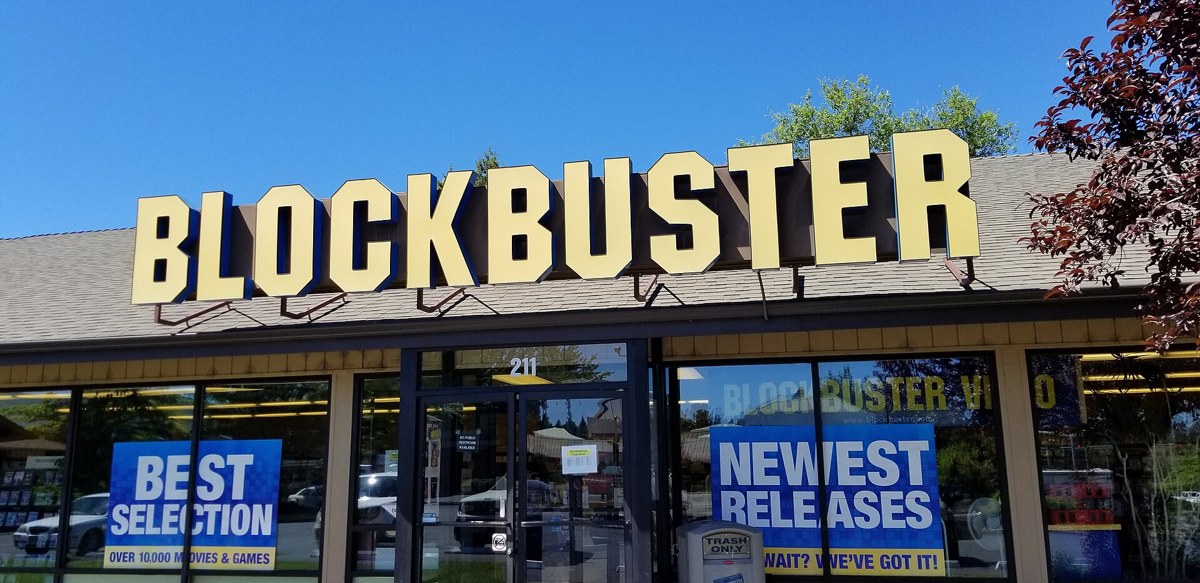
No single Blockbuster closing marked the end of an era. There was no moment when we said goodbye to Blockbuster. Blockbuster filed for bankruptcy in 2010. But by then, our weekend viewing habits had already changed, and, sometime over the course of the next few years, our trip there quietly fell by the wayside, barely noticed as we went on with our lives, first renting DVDs-by-mail, and then streaming them directly to our TVs. The former Blockbuster at 211 NE Revere Avenue in Bend, Oregon, which originally opened as Pacific Video back in 1992, was the last Blockbuster in the U.S. in 2018 and the last Blockbuster on Earth in 2019.
“One day i went into Blockbuster and walked around and looked at all the movie titles like i always do and searched for the best possible movie i could find and i picked it out, went to the front, paid the guy, left with my movie and a sense of happiness. And i never went back to Blockbuster ever again. So sad.”
— Dan514158351, via Reddit
I want to know. What aisle did you go to first? Which movie did you rent so many times that it was basically yours? Did you go home for pizza and Coke or wine? Tell me below in the comments section.



Leave a Reply