
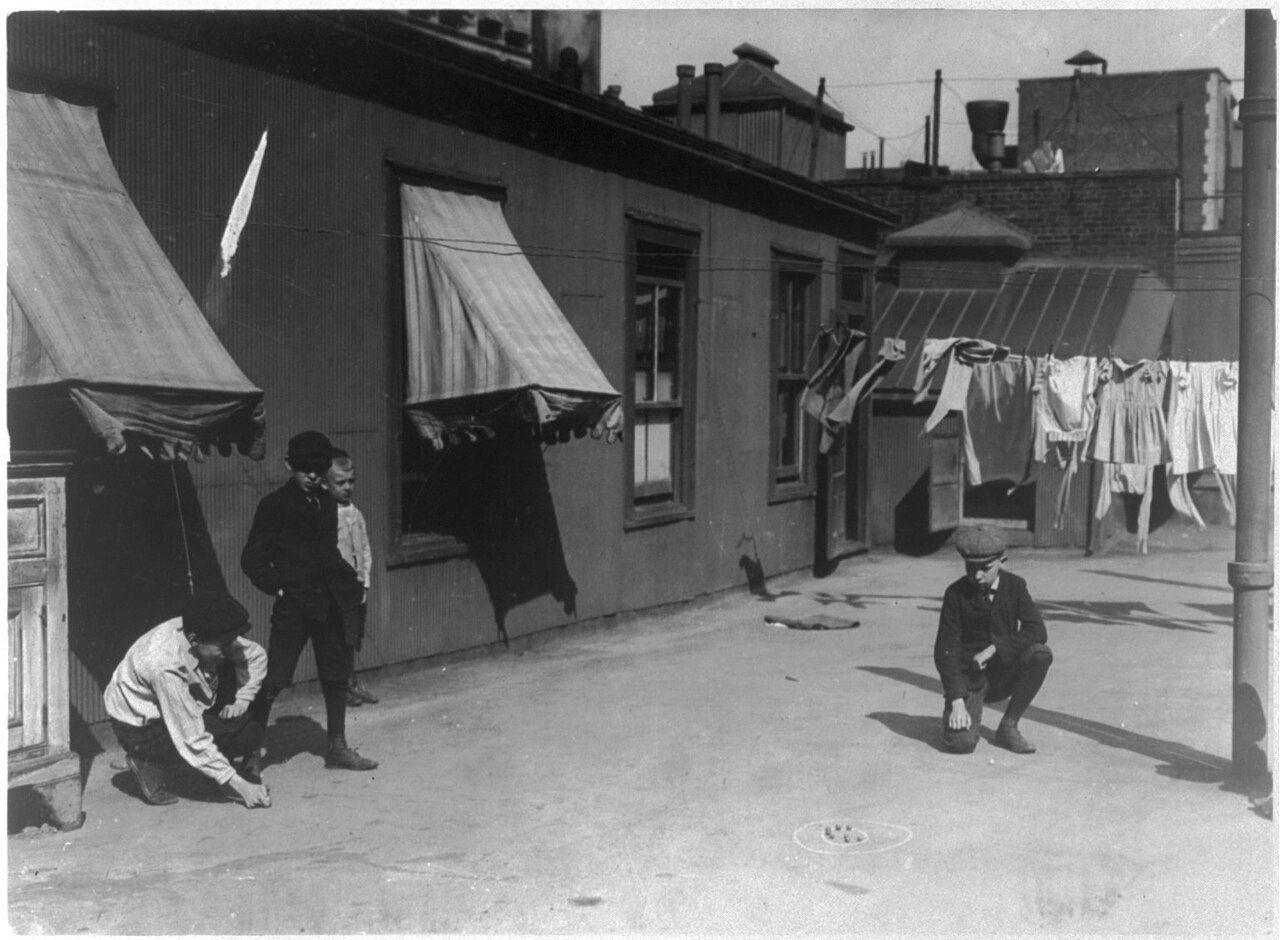
Ask a person who was a kid in the 1940s, ’50s or ’60s for examples of toys and chances are you’ll not get many that required batteries. There were hours spent on the front sidewalk. Nothing precious or expensive to worry about breaking. Toys were simple enough to carry around in a pocket or maybe a cigar box. Recreation in those days consisted of simple pastimes and good company on a warm afternoon. We’ve spent a lot of money on entertainment since then and I’ll bet a nickel it hasn’t been half as much fun as what cost zero dollars back then.
The serious business of marbles
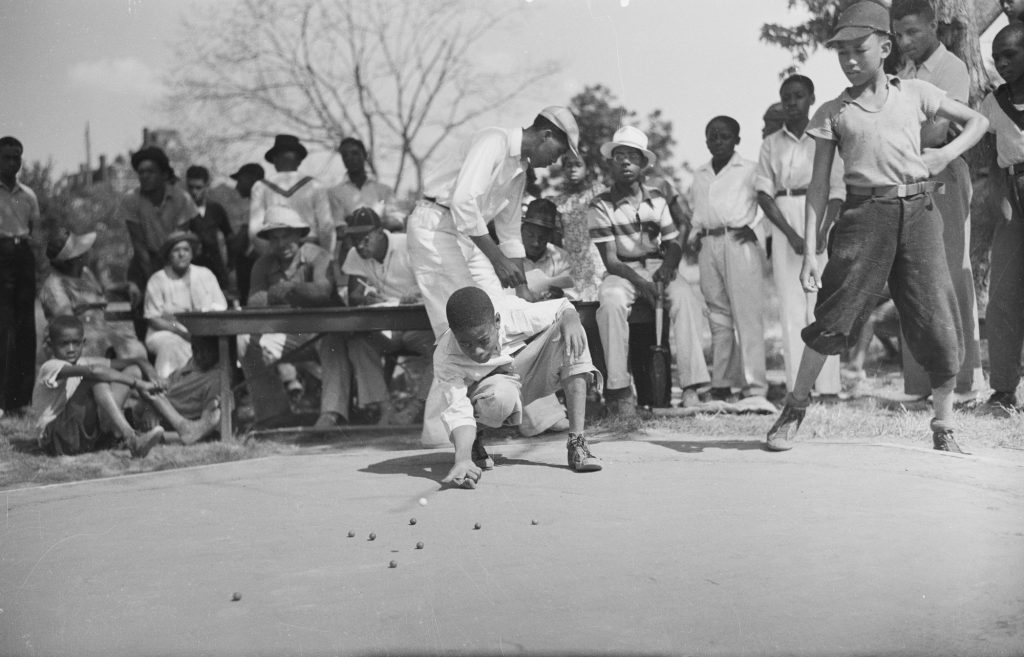
Marbles was your first lesson in economics. You might own a drawstring bag or a small Band-Aid tin. Either way, when it’s time to play, you dump them out on the dirt, count them up and show off your wealth like a banker. There are poor kids on the playground and rich kids. Sometimes it’s the same kid in the span of one week. Your knees get dusty but your bets are serious. Before you ever cash a paycheck you’ve been schooled in value. Luck changes fast.
Remember this game? You drew a circle in the dirt, put your knuckle down making sure not to cross the line and shot your marble at those in the ring. If you knocked a marble out of the ring and the game was for keeps, you got to keep that marble. We learned about risk in a way that would’ve been much cheaper than a stock market crash. It was not rare to walk home without your favorite aggie and with unshed tears in your eyes.
Talk like a marble shark
- Aggie — a marble of real agate stone, the crown jewel of any collection
- Steelie — a steel ball bearing, usually liberated from dad’s workbench. Devastating, and banned on some playgrounds
- Cat’s eye — clear glass with the colored swirl inside; common as pennies but pretty as jewels
- Mibs — the target marbles in the ring (the players were “mibsters”)
- Knuckle down — the legal shooting position, knuckle to the dirt
- For keeps — winner keeps every marble he knocks out. The three most thrilling and dangerous words in childhood
Made in Ohio by the bagful
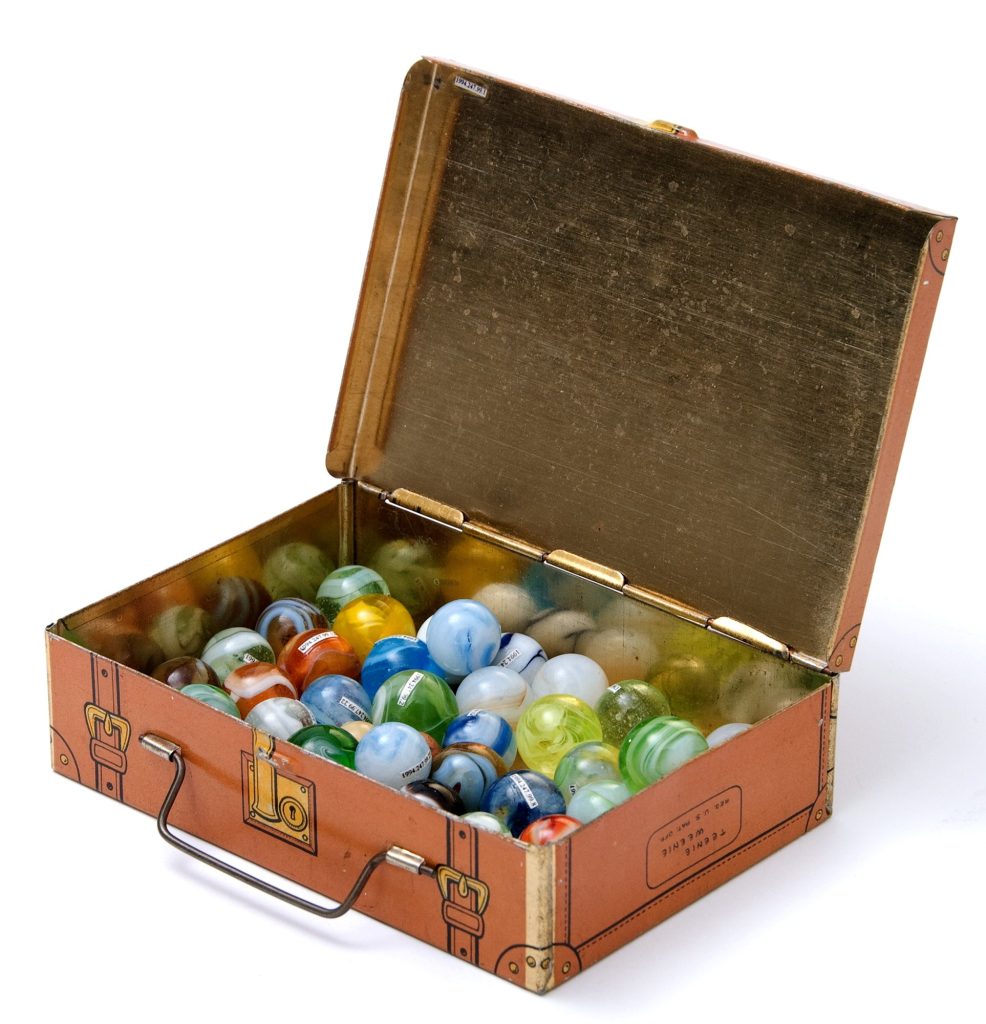
We may remember playing marbles before the sun went down on knees planted firmly in the dirt. What we likely did not think about at the time were the marble factories that provided so many of us with this common childhood pastime.
In 1884 Akron-based Samuel Dyke started making clay marbles by the boatload (for a penny you could buy a handful) and later started the American Marble & Toy Manufacturing Company. Competitors followed Dyke’s lead, and eventually the greater Akron area boasted 32 marble factories. In 1905 Akron’s Martin Christensen mechanized the previously manual process of making glass marbles by inventing a machine that made them faster but, thankfully, no less enjoyable. The highly productive Akro Agate company was another Ohio-founded marble manufacturer; it started operations in 1910 but moved to Clarksburg, WV in 1914 where natural gas and glass sand were abundant, and continued in business until 1951.
Ohio’s marble kings
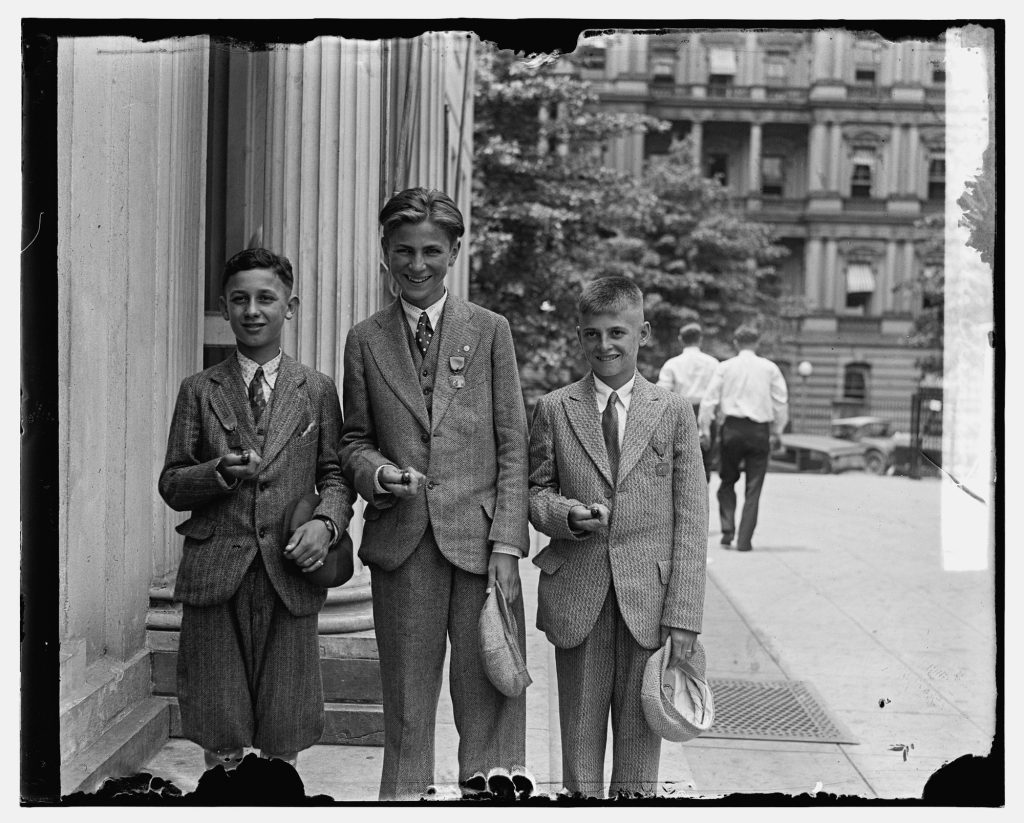
In 1923 the newspaper chain Scripps-Howard started a national marble tournament using Ringer as its basic form of play with an upper limit on the players’ ages: 14. The champions from forty cities made their way to Atlantic City for the first national championship and the winner was a 14-year-old named Harlin McCoy, the son of a railroad switchman from Columbus, Ohio. When he arrived back in Columbus, some 10,000 people were waiting for him at the train station! By 1926 an estimated three million kids were participating. In 1930 another 14-year-old, this time a boy named Jimmy Lee, also of Columbus, won the national championship. Jimmy’s prize included an ocean liner trip from New York to Los Angeles via the Panama Canal. In 1937 a boy from Canton, Ohio, Bill Kloss, won the championship, and the following spring he was the subject of a Life magazine article. Because of the war, in 1943 and 1946 smaller marbles tournaments took place in Cleveland but they didn’t generate anywhere near the same enthusiasm. In 1944 and 1945 there was no tournament at all. By the mid-1950s interest had waned considerably, probably due, commentators thought, to the novelty of TV and newer, more interesting fads.
Chalk, stones, and a stretch of sidewalk
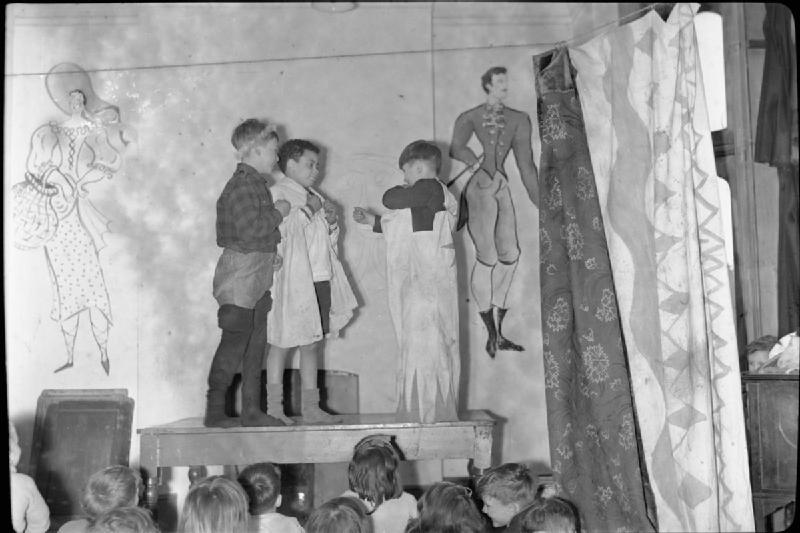
Hopscotch only required a piece of chalk and a flat stone to throw onto the chalked design. Serious players had their own special token, a flattened bottle cap or a skate key. You took turns throwing your token on the squares, hopping over the design, forward and back, careful not to touch the lines, landing in single squares with only one foot at a time.
As you can see in the photograph above, taken in 1944, the grid has remained unchanged. Some of us think we could still clear it, while the rest of us know better than to try.
Two ends of a rope
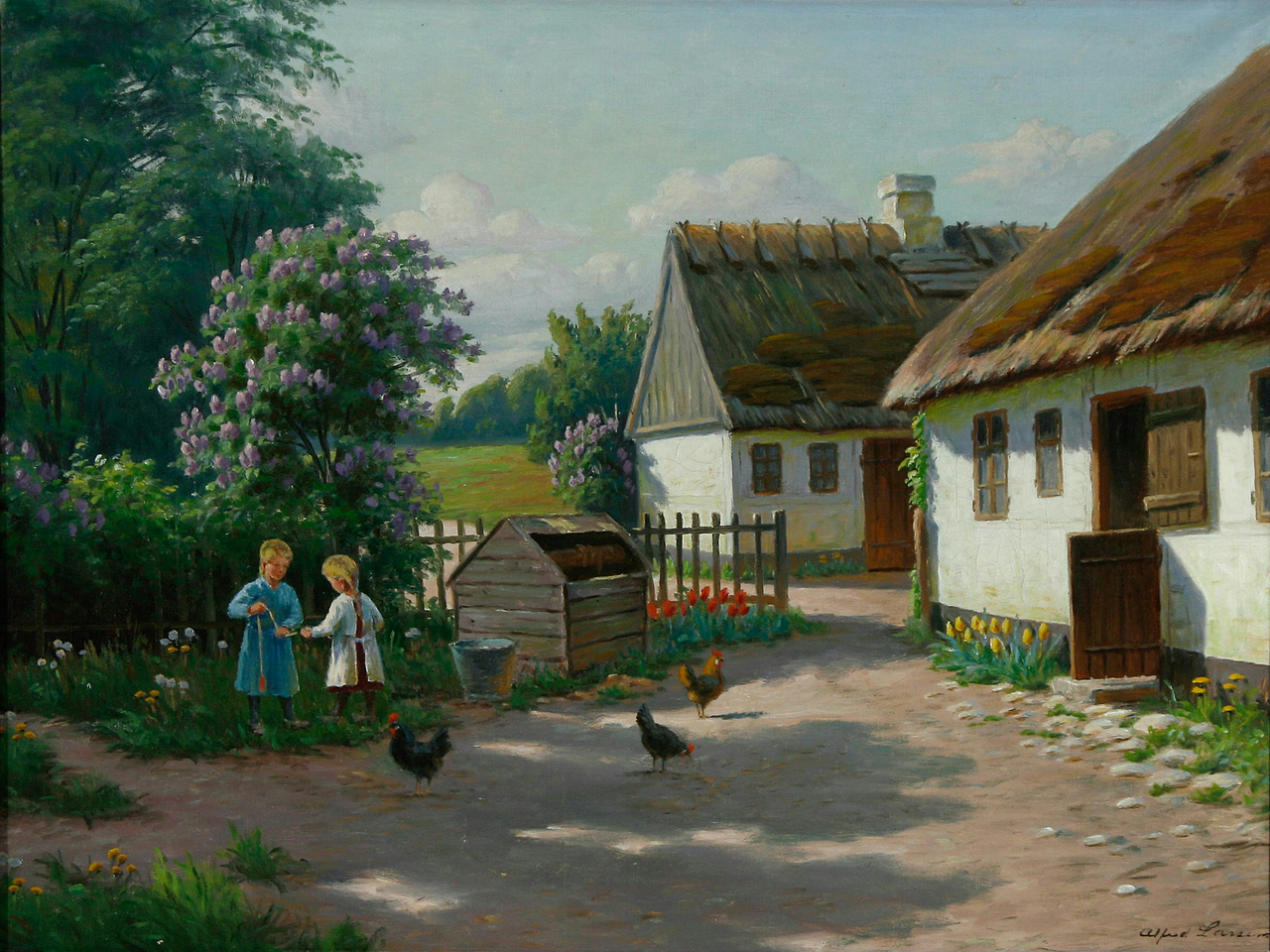
You probably remember the games, the chants and rhymes, like “Cinderella, dressed in yellow” and “Teddy bear, teddy bear, turn around.” Two players would hold opposite ends of a long rope, swinging it back and forth in a musical and steady rhythm. More than just a collaborative athletic endeavor, the game was performance, a type of oral tradition passed down from older kids to younger kids. Tripping on the rope was out, and jumpers counted their accomplishments in rhyme, since the numbers were prophetic of things to come (how many children you’d have and the first letter of the name of the person you’d marry).
Did you know that double dutch is a sport? Two ropes spin in opposite directions as jumpers exhibit their athletic capabilities. It’s a test of courage, rhythm, and of course, jumping. In 1973 New York City police detectives David A. Walker and Ulysses Williams worked with gym teachers at IS 10 to turn the kids’ street game into a team sport. The first double dutch tournament was held on February 14, 1974 with close to 600 fifth-, sixth-, seventh- and eighth-graders participating. The American Double Dutch League was formed in 1974. You might even remember standing next to a friend and craning your neck to see how they did it as those long ropes whipped like snakes and the best jumpers somehow kept their eyes up and their feet light.
Jacks, skates and the sidewalk crowd
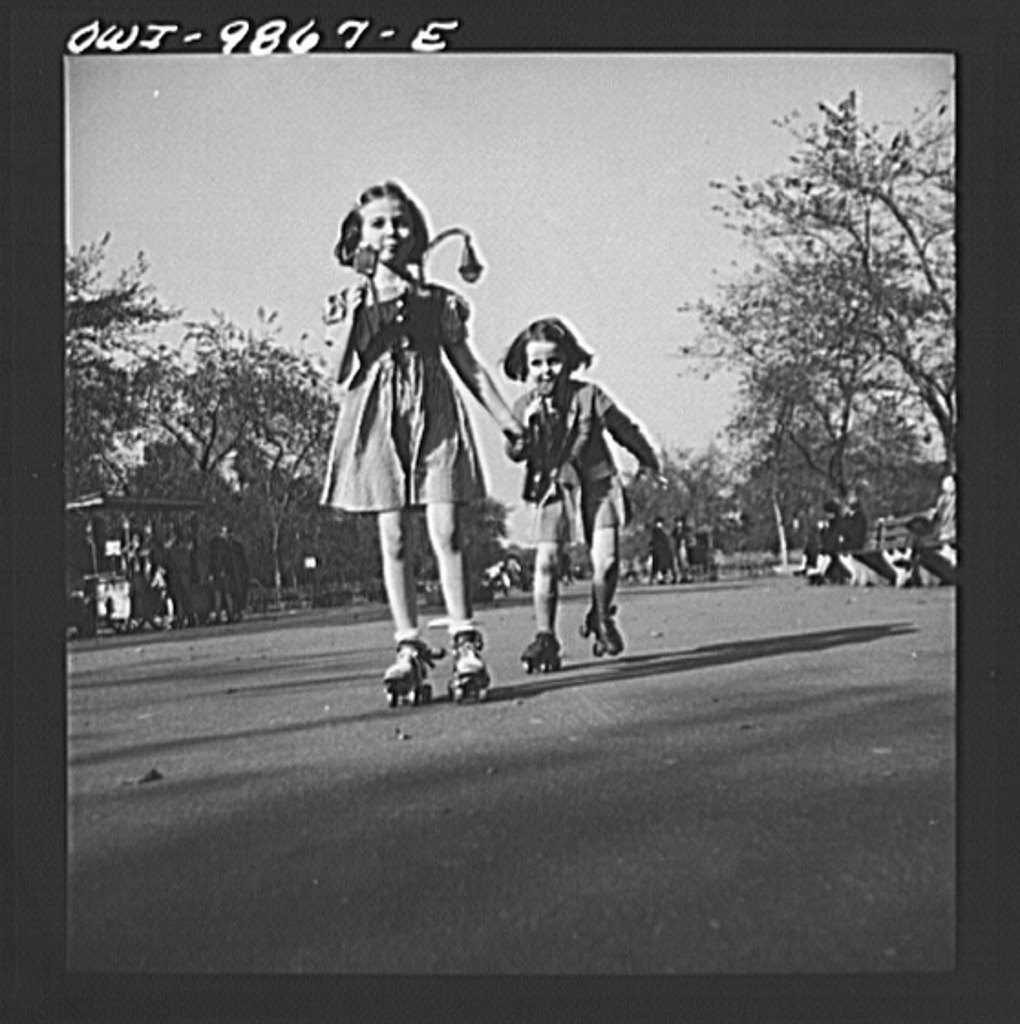
Jacks is one of the oldest and most widespread games in the world. In ancient Egypt, for example, children played a version of it called knucklebones that used the bones from sheep’s toes. In the United States, it has gone by Eggs in the Basket, Pigs in the Pen and Jacks on the Rooftop, to name a few. Regardless of version, the premise is the same: toss the ball in the air and try to grab as many jacks as you can before it bounces back. Roller skates didn’t really take off until 1863 when a New York businessman by the name of James Plimpton invented a four-wheeled skate that was able to turn easily. Soon, skates could clamp on to pretty much any kind of shoe. In the 1950s, roller skating became a popular pastime among our generation, the baby boomers, and suburban sidewalks echoed with skates, laughter, shrieks and shouts.
The ones that came in a box
Richard James was a Navy engineer in 1943, and was working with coils of wire. One fell to the floor, bouncing as it went. Observant James figured it might make a good toy. It took about 80 feet of wire in a two-inch coil to make one. He and his wife, Betty, had 400 and they took them to Gimbels department store in Philadelphia to demonstrate it during the 1945 Christmas season. The Jameses sold out of all 400 of their toys in less than two hours, charging just $1 apiece. James got his patent on January 28th 1947. By 2000 over 250 million Slinkys had been sold!
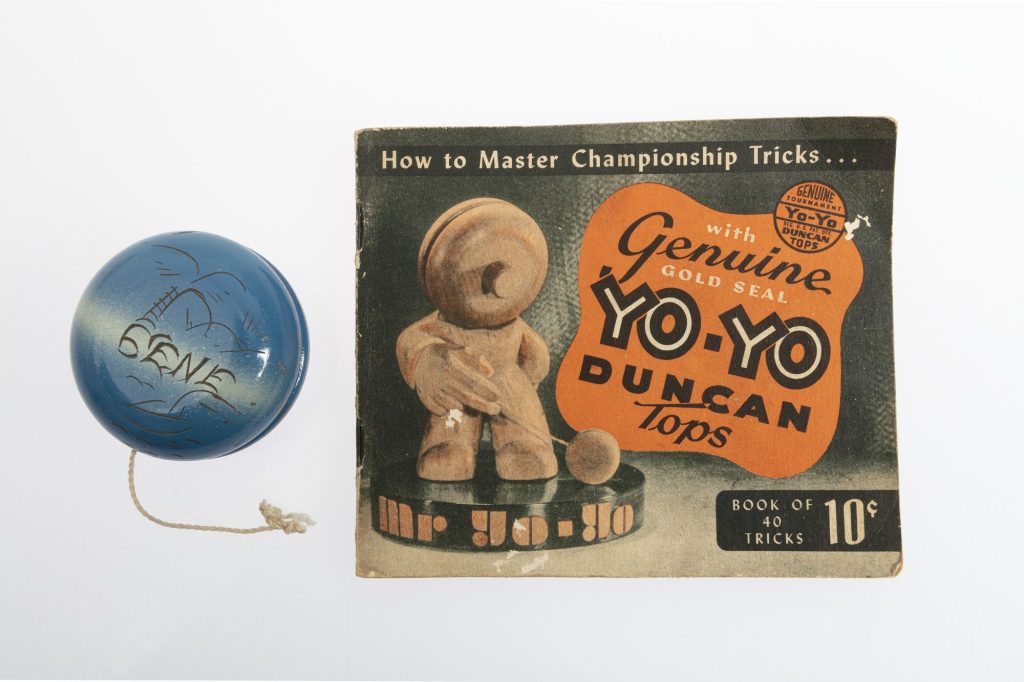
Not a lot of people realize that Donald F. Duncan, who saw his first yo-yo in San Francisco in the late 1920s and eventually bought the company that made them, also founded the Duncan Parking Meter Corporation. Duncan was born in Rome, Ohio, but was raised in Huntington, WV. At its height, Duncan’s company sold 18 million yo-yos and tops in its best sales year, 1962. It’s nice to have some connection to Ohio. And, hey, while yo-yos may not immediately remind you of parking meters, it’s amusing to think of both items, the toy that delighted children and the nickel-sucking device, as part of the same man’s portfolio.
Remember the Hula Hoop craze? The idea for the hoop came when Joan Anderson saw people in Australia twirling wooden hoops around their waists and took the notion home. In 1958 Wham-O, the company toy makers Richard Knerr and Arthur “Spud” Melin had started, made the hoop out of Phillips Petroleum’s newfangled Marlex plastic and named it for the traditional Hawaiian dance. The founders then spread the hoops throughout playgrounds in Southern California for kids to discover. Adults, of course, gave them a whirl, too, before turning them over to the kids, and approximately 25 million hoops were reportedly sold in their first few months on the market.
The rest of the roster
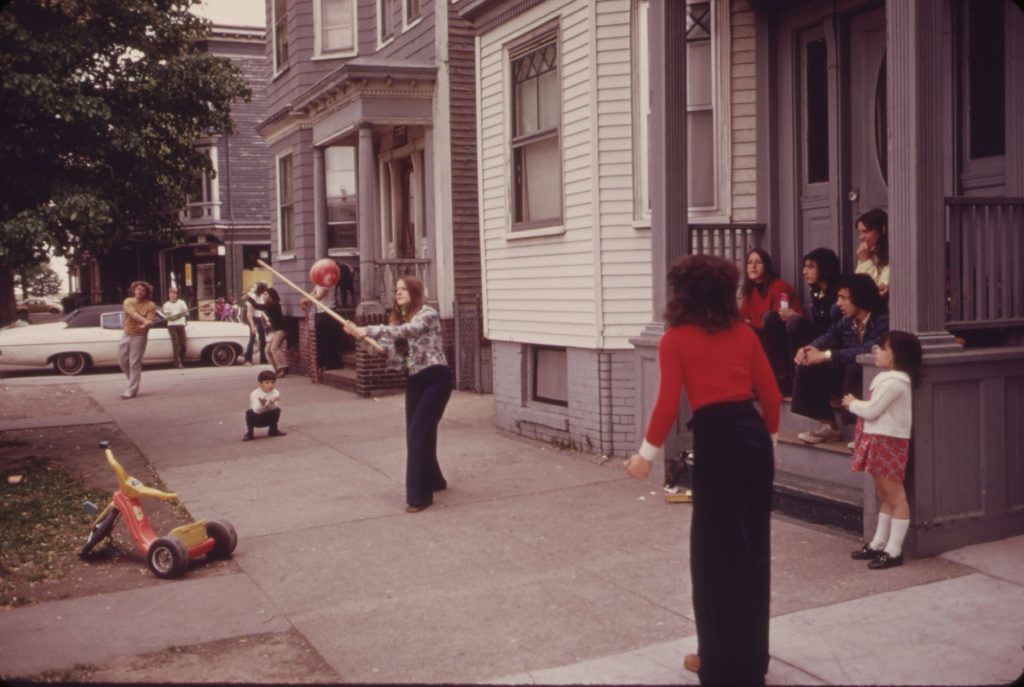
- Jacks — onesies, twosies, all the way up; the whole kit lived in a sock
- Stickball — a broom handle, a pink Spaldeen, and manhole covers for bases. “Car!” was the only timeout that mattered
- Kick the can — the whole block, one tin can, and arguments about the rules that continue to this day
- Red Rover, Red Light–Green Light, Mother May I — no equipment at all, just kids and dusk
- The stoop, the curb, the wall — because a ball and a flat surface was a complete toy store
Did you know?
Marbles was such serious business that the National Marbles Tournament traces its start to 1922 and still crowns champions every June in Wildwood, New Jersey, its home since 1960, with kids competing for college scholarships and national glory. Local newspapers sponsored qualifying rounds, and a town’s champion mibster was front-page news.
Home when the streetlights came on
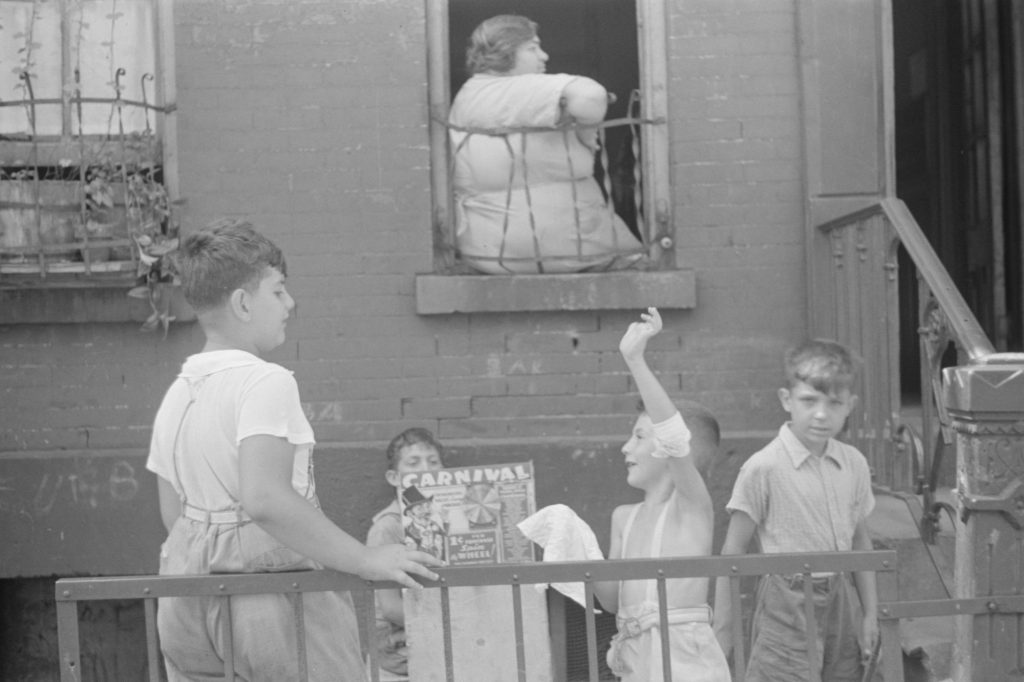
If we learned one thing growing up it was to be home when the streetlights came on. It was the only ground rule that mattered. We could run wild all day, go where we pleased, do anything we wanted, but come on now kids, the lights are coming on, let’s get inside! The streets emptied out. After breakfast there were no plans, no schedules, no playdates, we’d just find each other somehow. When you got hungry one of the mothers would announce lunch was ready and whoever was closest went inside to eat. Everybody knew everybody else.
All we needed at the time was an audience and a stage. Luckily, we had a neighborhood. Your mother did not know where you were at any given moment, but she knew that someone did. Any of the other mothers. Kids roamed worry-free because someone was watching.
We didn’t have batteries. We had imaginations, skinned knees, and a curfew set by the streetlights.
Your move: Were you a marbles shark or a double-dutch legend? What were the jump-rope rhymes on your block — and did you ever lose a prized aggie playing for keeps? Roll your memories into the comments.
Boys shooting marbles in New York City. Photo: George Grantham Bain Collection, Library of Congress — public domain, via Wikimedia Commons.

Leave a Reply