
Your dad pulls the station wagon onto the gravel rise that allows the car to be situated with the hood angled upwards towards the drive-in screen so there’s nothing to block your view. You hear the speaker crackle to life and breathe deeply as the sweet aroma of popcorn wafts its way over from the concession stand. You get that tingly feeling of anticipation. This is going to be a special kind of evening. Tonight, you’ll be in pajamas, and you’ll fall asleep before the second feature begins, which is part of the plan too.
Invented in a driveway in New Jersey
The drive-in theater idea was the brainchild of a guy in New Jersey whose mother was too big for those tiny theater seats, not some Hollywood mogul. So, Richard Hollingshead of Camden, New Jersey, tinkered in his driveway. Eventually, Hollingshead figured it all out. The projector (a 1928 model) went on the hood of his car. Two sheets, tied between trees in the yard, made the screen. Soon enough, he had the angles and sightlines perfected, including the ramped parking system that elevated each successive row of cars so folks in the back wouldn’t have to struggle to see over the car ahead.
That’s my favorite part: It started with one guy who just wanted to take his mama to the movies. Thanks, Richard.
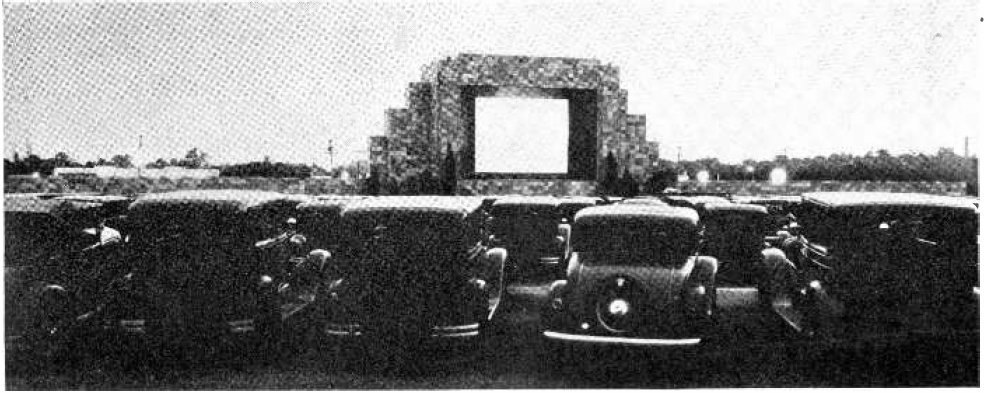
Hollingshead’s patent number, 1,909,537, was issued on May 16, 1933. The drive-in opened the following month, June 6, 1933 (that’s opening month in the photo above, taken at the drive-in’s location on Crescent Boulevard in Pennsauken Township, just outside Camden). The feature shown that opening day was the British comedy entitled Wives Beware. Tickets cost 25¢ a car and 25¢ per person, but parents got a break; no matter how many children were crammed into a car, no family would spend more than a dollar to get in. Hollingshead put it this way: “The whole family is welcome, regardless of how noisy the children are apt to be.” How different from today’s multiplexes! It’s amazing to think of all the families who piled into cars and drove to Hollingshead’s drive-in.
By the numbers
- June 6, 1933 — the first drive-in opens in Camden, New Jersey
- $1.00 — the most Hollingshead would charge a carload, no matter how many kids were inside
- 4,000+ — drive-ins across America at the peak, around 1958
- About 300 — still out there tonight, gravel lots and all
The patent that didn’t hold
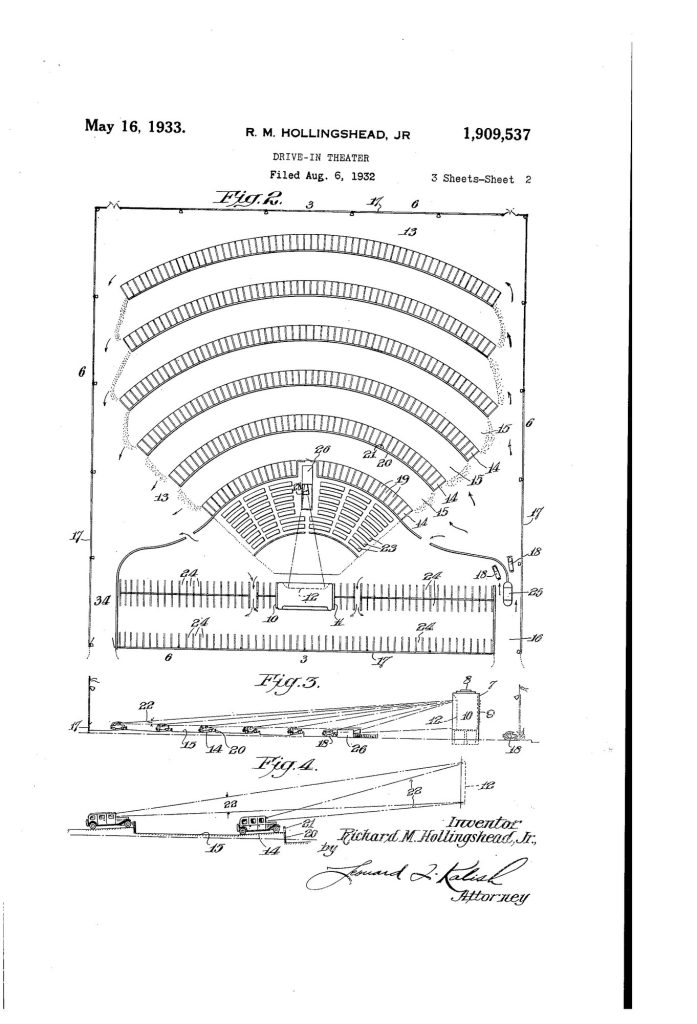
Hollingshead’s company licensed its patent to other theater operators, on the basis that they would pay royalties. But Loew’s Drive-In Theatres stopped paying up. Hollingshead’s company fought back, leading to a trial and an April 8, 1949 decision from a federal appeals court that Hollingshead’s patent was invalid. On October 10th of that year, the U.S. Supreme Court said it would not hear the case. Which meant that now, anyone who wanted to could set up a drive-in theater, as long as they had a projector and a big enough field, and Hollingshead would receive nothing for it. So, predictably, drive-ins sprouted up left, right, and center. You can still watch a movie at the second drive-in ever built, Shankweiler’s in Orefield, Pennsylvania, which has been showing movies since 1934, just one year after Hollingshead set up shop.
From a few dozen lots to four thousand
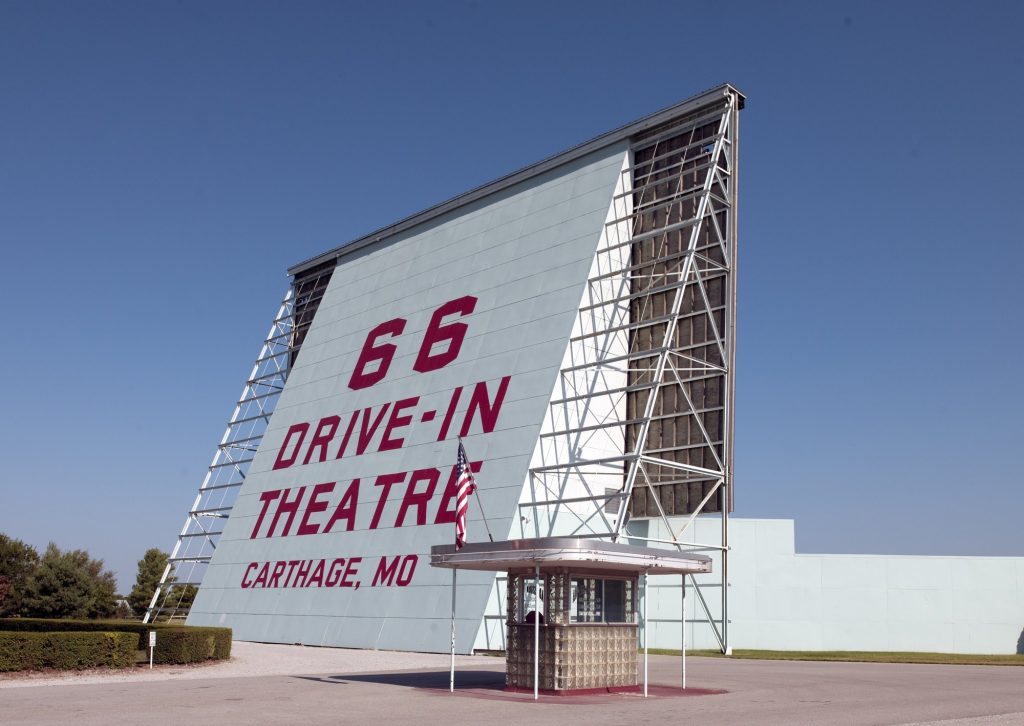
Drive-ins didn’t see significant growth during their first decade. They didn’t really catch on until the early 1940s, when RCA created a speaker that you could hang from your car’s window which included its own personal volume knob. Now you and your friends could actually hear what was going on! One 1950 count put the number at about 60 drive-ins at the end of the war and about 1,500 locations by late 1949. The 1954 Census counted 3,611 locations in the country and drive-ins peaked in 1958 at 4,063 locations, and nearly every small town and suburb had one.
Ohio got in early
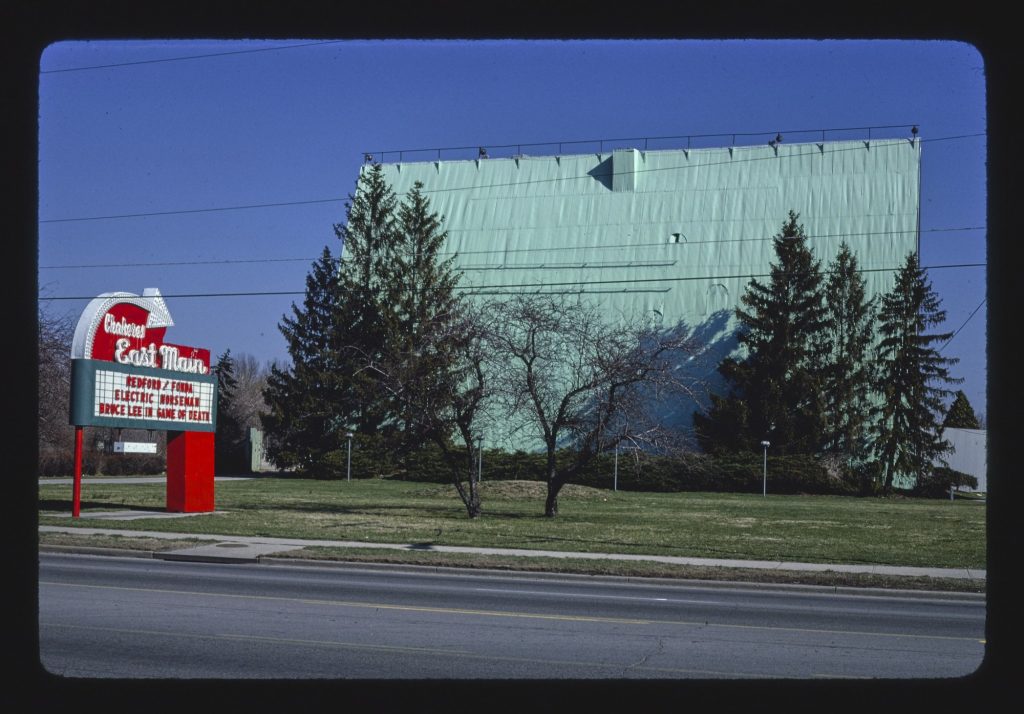
Ohio was in the game early. Two classic Ohio drive-in theaters that have endured include the old Boyer’s Auto Theatre located near Strasburg and the Dixie drive-in theater located near Dayton. Construction began during the summer of 1935 on what is now the oldest drive-in theater in Ohio (according to the theater). It opened in the spring of 1937 and is now the Lynn Auto Theatre.
The Dixie on North Dixie Drive first opened in 1957 and has been in the hands of the same family company, the Levins’, for almost 70 years. The theater’s red-and-yellow 1957 sign fell in the remnants of Hurricane Helene’s winds but the theater has already installed a new one.
The ritual
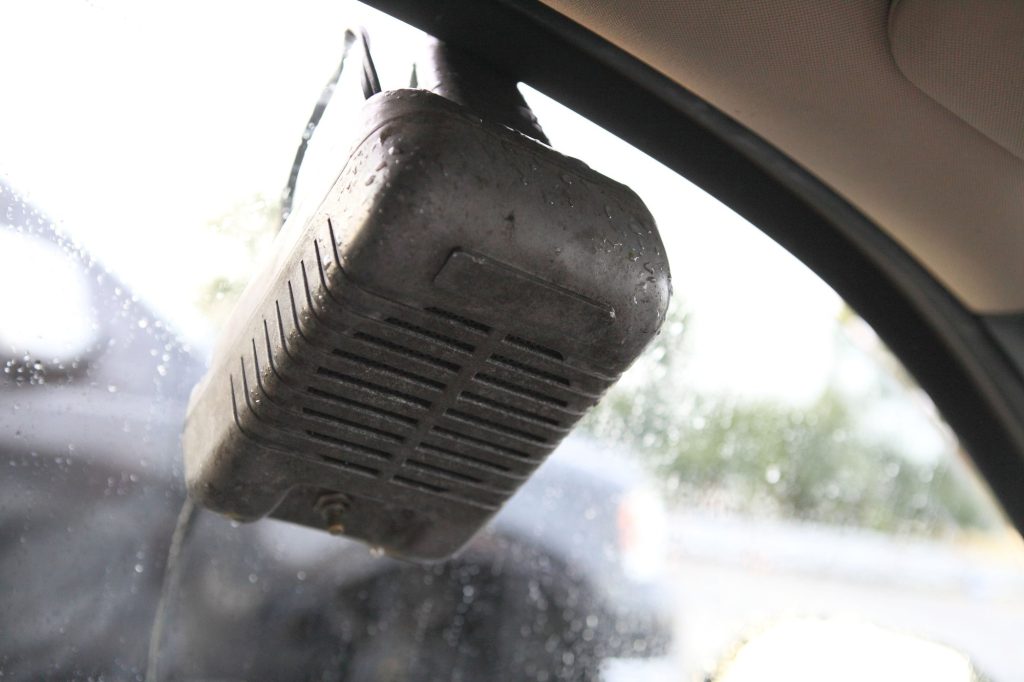
Every family had their own tradition when it came to trips to the drive-in theater and each one thought theirs was the only acceptable way to proceed. In our family we ate supper early and then prepared for the trek to the drive-in. The little ones were given their baths and then dressed and buttoned into pajamas. Anybody over nine knew the younger ones would be asleep somewhere in the middle of the second feature. Pillows and blankets went into the backseat while lawn chairs were claimed for the grown-ups so they could enjoy the fresh air. Somebody lit the mosquito coil that sat on the dash of the car during sticky August evenings. The scent of punk, popcorn, and freshly mown grass reminds me of the summer of 1959.
First came the speaker, a heavy metal box balanced precariously atop a post, which you would heave into your arms and drape over your rolled down window, then tune the little knob until voices appeared through the static. And then of course there was that moment every single night when somebody would pull away with the speaker still attached to their window. The whole lot would groan and laugh as the poor guy drove off, tightening the speaker cord until the post resisted any further progress. The post always won.
Stretching the season
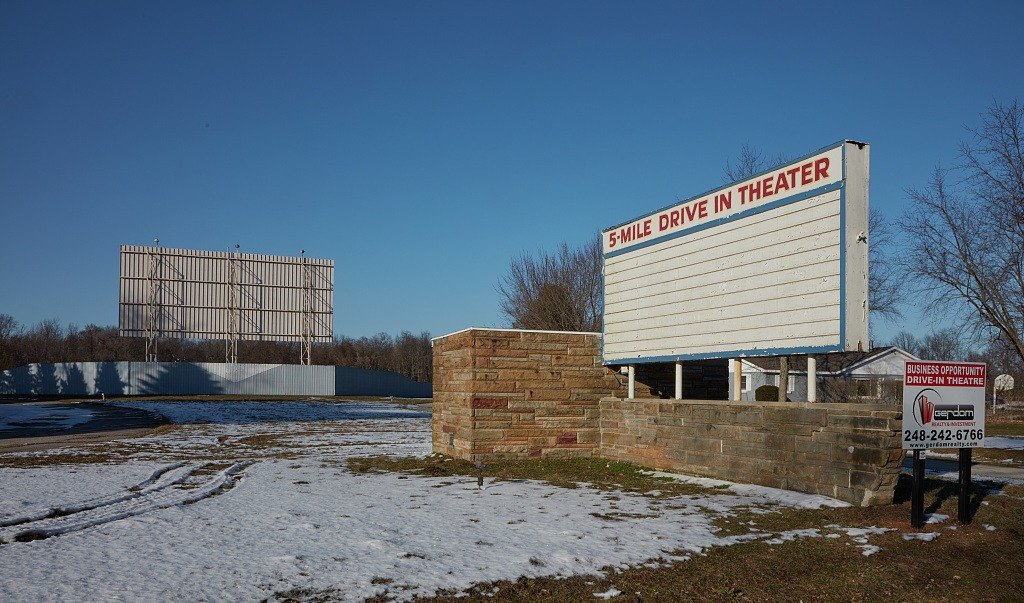
Some drive-ins offered electric heaters for use in the car. For example, the Transit Drive-In near Buffalo, New York offered heaters and was open year-round from 1972 until 1977. Most drive-ins, however, closed during cold weather. Some drive-ins tried to extend their seasons, and one in Toledo, Ohio, advertised “New Electric In-A-Car High Powered Heaters” for “outdoor entertainment and indoor comfort.” Heaters could be picked up at the box office or concession stand and plugged into an outlet on the speaker post, or in some cases the heaters were permanently attached to the speaker post.
“Let’s all go to the lobby!”
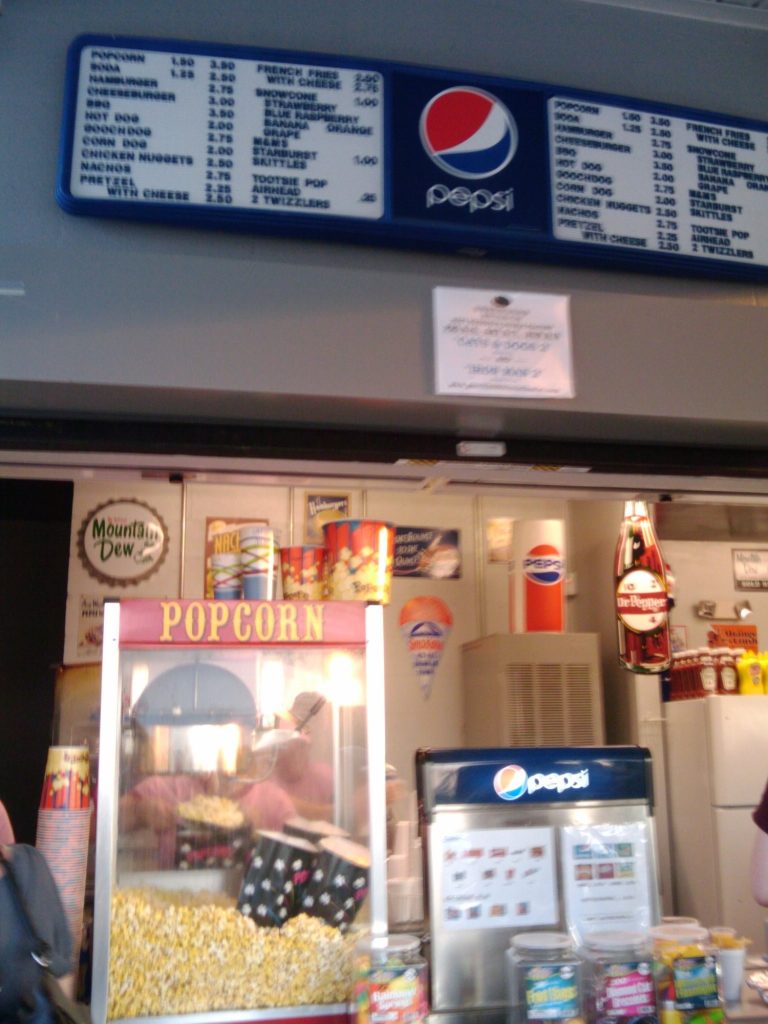
Between features came the intermission reel. Did you ever sing along?
“Let’s All Go to the Lobby,” the best known of them, is a 40-second animated short produced by Filmack, a trailer company based in Chicago, and used during intermission in movie theaters, advertising food and drink available at concession stands. Theaters could buy the reel for $10.75; an advertisement for it appeared as early as 1951. Filmack credited Dave Fleischer (Betty Boop, Popeye) with the animation. The Library of Congress selected the short for preservation in the United States National Film Registry in 2000. The song is attributed to composer Jack Tillar with lyrics sung to the tune of “For He’s a Jolly Good Fellow.” The original featured dancing popcorn, candy, and a cup of soda.
About half the lot made its way to the snack bar while it played.
Concession stand income belonged to theater owners so they tried to make as much money as they could from these sales. According to the 1954 Census, snack bar sales equaled 28% of what drive-ins took in at the gate, compared with 12% at indoor theaters. It’s amazing to think that those long intermission breaks (deliberately done by the theater owners to sell concessions) allowed us to stretch our legs and buy food. Those chili dogs were glorious. As an adult, I’ve been to fine dining restaurants and eaten fabulous food on china, and nothing has come close to that paper tray sitting on top of the glovebox door.
And even the more upscale drive-ins added a few extra touches, like a playground area at the front of the screen where the kids could play until the sun went down, or mini golf courses, or bottle warmers for the babies. More often than not, the movie was just an excuse to get a large chunk of your town out on the same field together.
What was on the screen
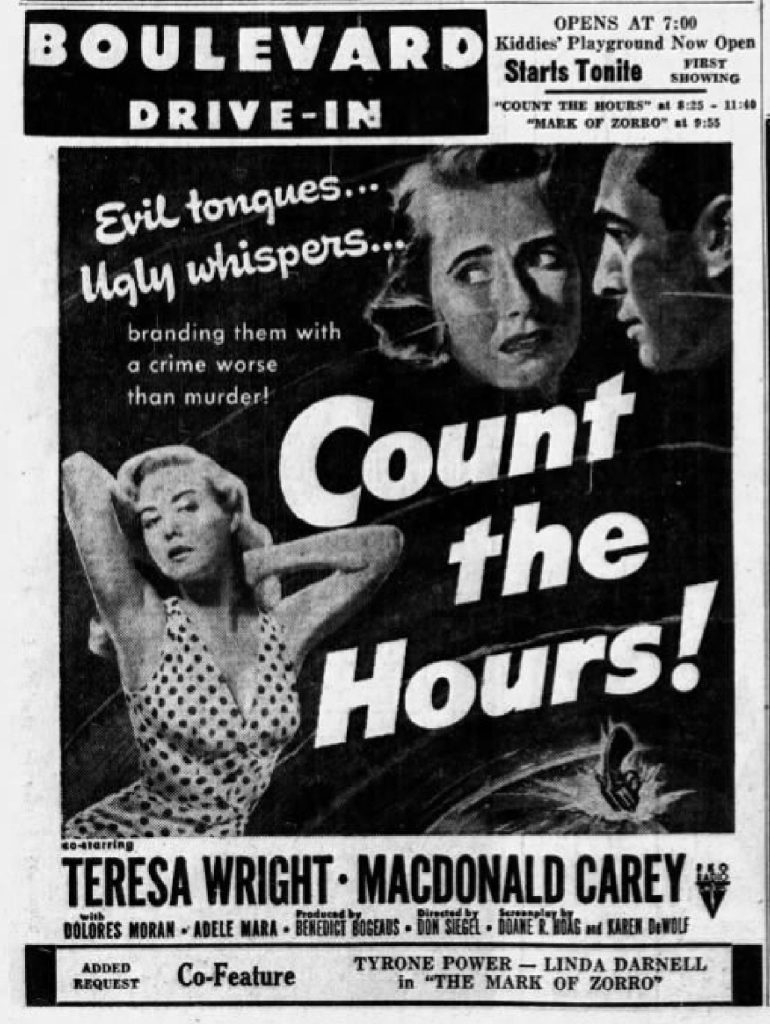
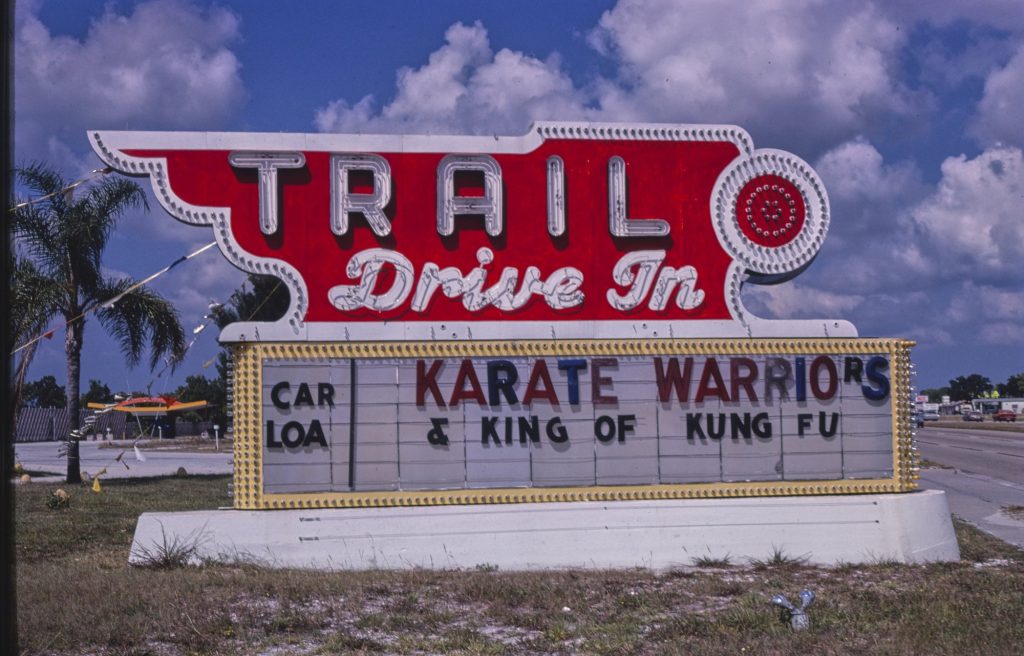
Studios released their first-run films to indoor theaters ahead of drive-ins. Because indoor theaters could show a particular film five or even six times in a day, studios did their best to please theater owners by making sure they got first dibs on the goodies. Drive-ins could only show films after dark. So drive-ins often got the B-movies. By the 1950s the double feature was standard. Family-friendly films were always a draw, but horror and sci-fi pictures appealed to a younger audience once the sun went down. Eventually, some drive-ins resorted to X-rated films to stay in business and keep the gates open.
The teenage chapter (you know the one)
Teenagers considered the drive-in to be THE date. It was cheaper than an indoor theater downtown and it was more private than the couch at somebody’s house where the mother was bound to wander through the living room every eleven minutes. No wonder they were known as “passion pits.” Then there was the trunk trick: two people paid at the box office and four watched the show. The owners of venues realized that people were sneaking in, so some places charged a certain amount of money per carload, which of course killed the trunk trick. If you rode in a trunk you can finally confess.
Ten minutes to showtime! Let’s all go to the lobby, to get ourselves a treat!
Dusk falls, the screen glows on
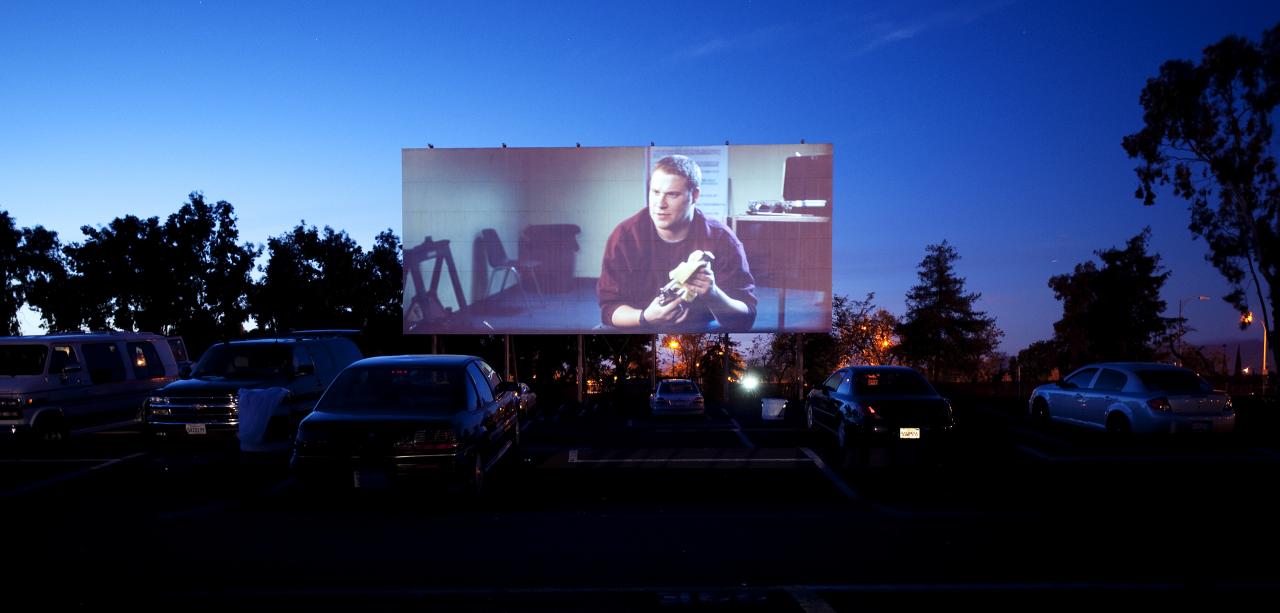
Why did drive-ins disappear? Sure, we hear that TV got too good and that folks preferred the A/C blasting in multiplexes, but the reasons are more complicated and interesting than that. Owners got older and began to retire. It was difficult to get new films. Their land was worth more if used for something else (as towns sprawled, drive-ins became shopping centers and subdivisions). The advent of VCRs. Daylight saving time. In 1966, the Uniform Time Act was passed to standardize DST, which had been ad hoc previously, and later summer sunsets meant drive-ins had to start movies later. Kids were sleepy on school nights. Between 1978 and 1988 more than 1,500 drive-in screens were shuttered. Once numbering 4,063 in 1958, drive-ins are down to approximately 300.
On any given night, some of them are up and running. Many of them, including the Dixie near Dayton (operated by the Levins for generations) are still family-owned and -operated businesses. If there’s one within an hour’s drive of your house, you should make a point of driving out this Friday. Bring a couple of lawn chairs and some bug spray. Buy yourself a chili dog (those little snack bars pay the bills to keep the drive-ins afloat). And anyway, you need the chili dog.
Now you: What was your hometown drive-in called — the Starlite, the Moonlite, the Sky-Vu? What do you remember seeing on that big screen? And did you ever ride in the trunk? Tell the truth. We’re all friends here.
The very first drive-in theater, Camden, New Jersey, 1933 — public domain, via Wikimedia Commons.

Leave a Reply