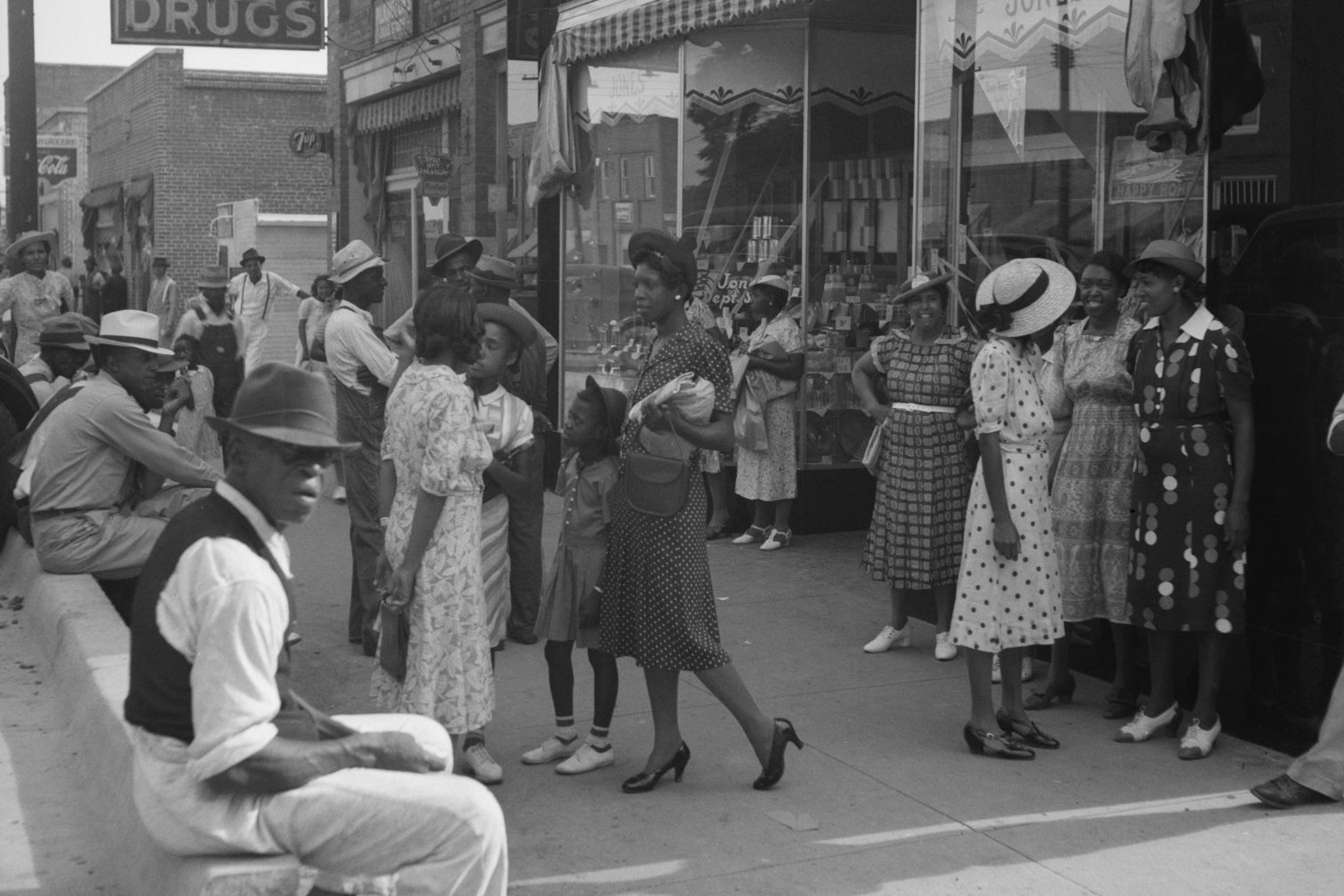
Saturday shopping was once like an epic journey. Before malls became mainstream, the downtown scene often featured individual stores serving specific needs. That meant going downtown wasn’t always quick.
Shopping also wasn’t as straightforward with these specialty shops. A lot of times, you’d get there without knowing the specifics of what you needed, but browsing was a huge part of the experience. It often led to unexpected finds and things you didn’t even know you needed.
Let’s take a trip down memory lane and see how many of these stores you remember.
1. The Five-and-Dime
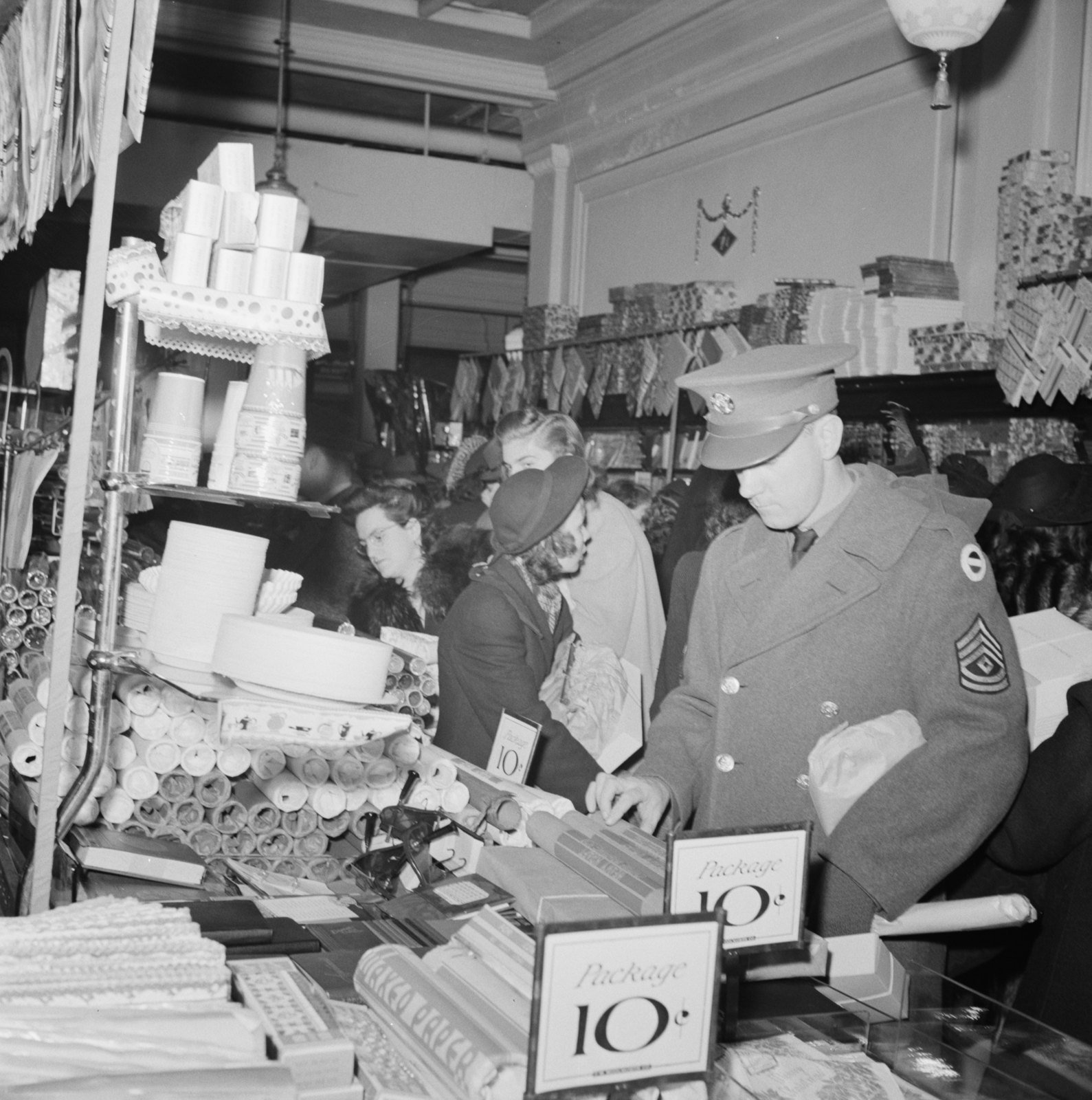
Picture a store where a kid could go in with pocket change while his mom went in shopping for something practical, and both could come out satisfied shoppers. That, my friends, was the five-and-dime. You didn’t always go in knowing exactly what you wanted.
F.W. Woolworth opened his first five-cent store in 1879 in Utica, New York. This initial venture failed, but its fixed-price concept quickly took off. Woolworth’s and similar stores became a familiar part of the downtown scene.
Depending on the specific five-and-dime store, you could find some interesting features, including busy lunch counters, wood floors, the aroma of food and popcorn, and an overall sense of hustle and bustle. The magic of these stores didn’t lie in glamor. They were known for selling cheap, little things and giving you too many things to look at. And they made the family shopping trip a lot more exciting for that kid with the spare change.
2. The Downtown Department Store
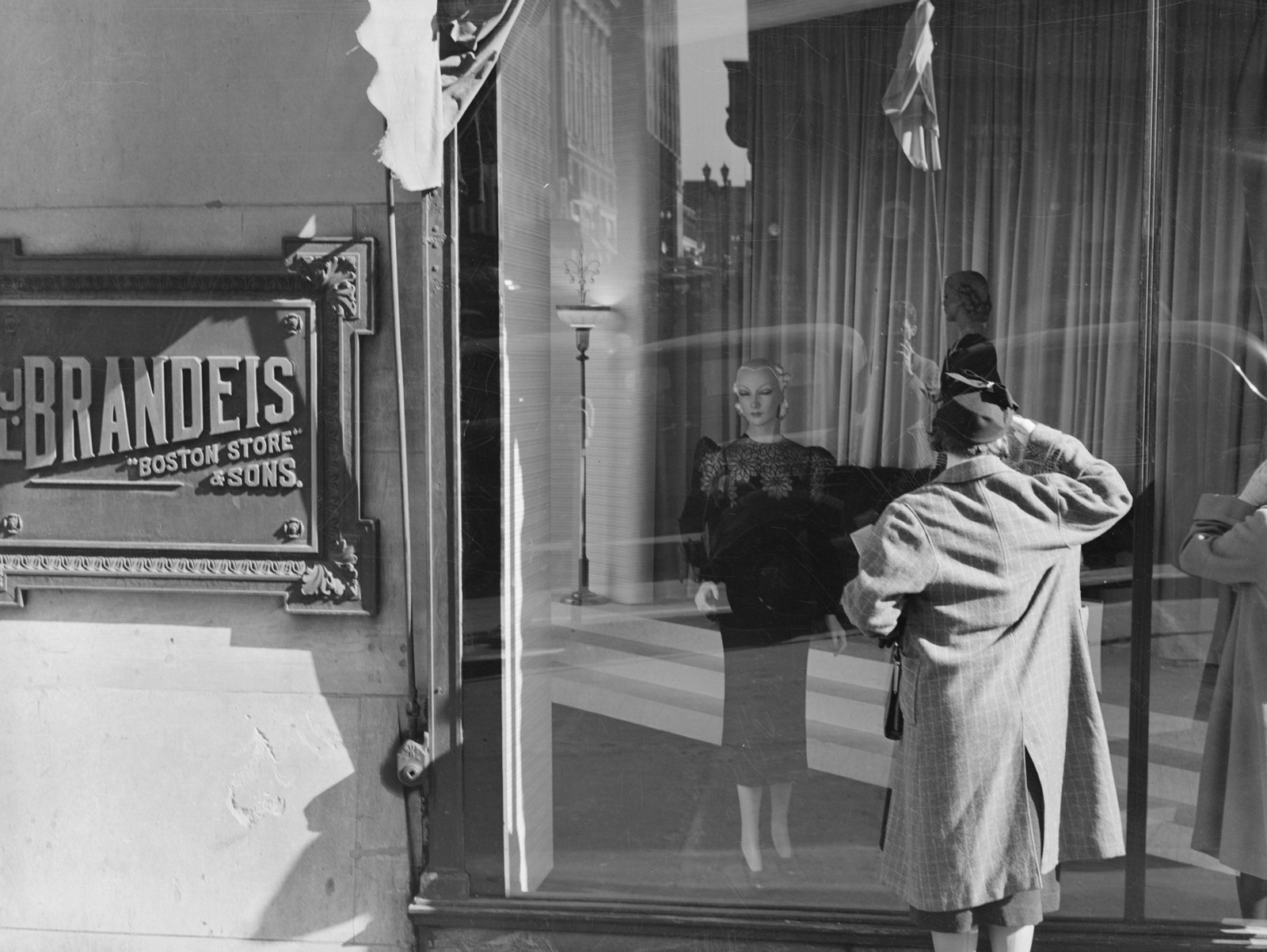
When you needed to go for more than the typical toothpaste run, you shopped at the downtown department store. This was the place where shopping became an event. These stores had almost everything you could think of: clothes, furniture, housewares, and more. If you weren’t careful, you could easily be sucked into the magic of the place and spend an entire afternoon browsing.
Before you entered, it was all about the windows. These showstopping displays were built to grab your attention and draw you inside. They showed off the latest fashions and merchandise, and seasonal displays were central to the downtown experience.
For Christmas 1970, Thalhimers in Richmond created an elaborate window display based on the James River. The display traced the river from Williamsburg to Richmond. It also included miniature versions of Richmond’s historic buildings and modern skyscrapers. The creation was so grand that it extended from the windows into the store auditorium.
Larger stores separated merchandise into departments instead of creating a hodgepodge assortment across the shelves. Some even had multiple floors for shoppers to explore. Moving from department to department was part of the overall experience, making the trip downtown feel like so much more than a simple errand.
3. The Drugstore
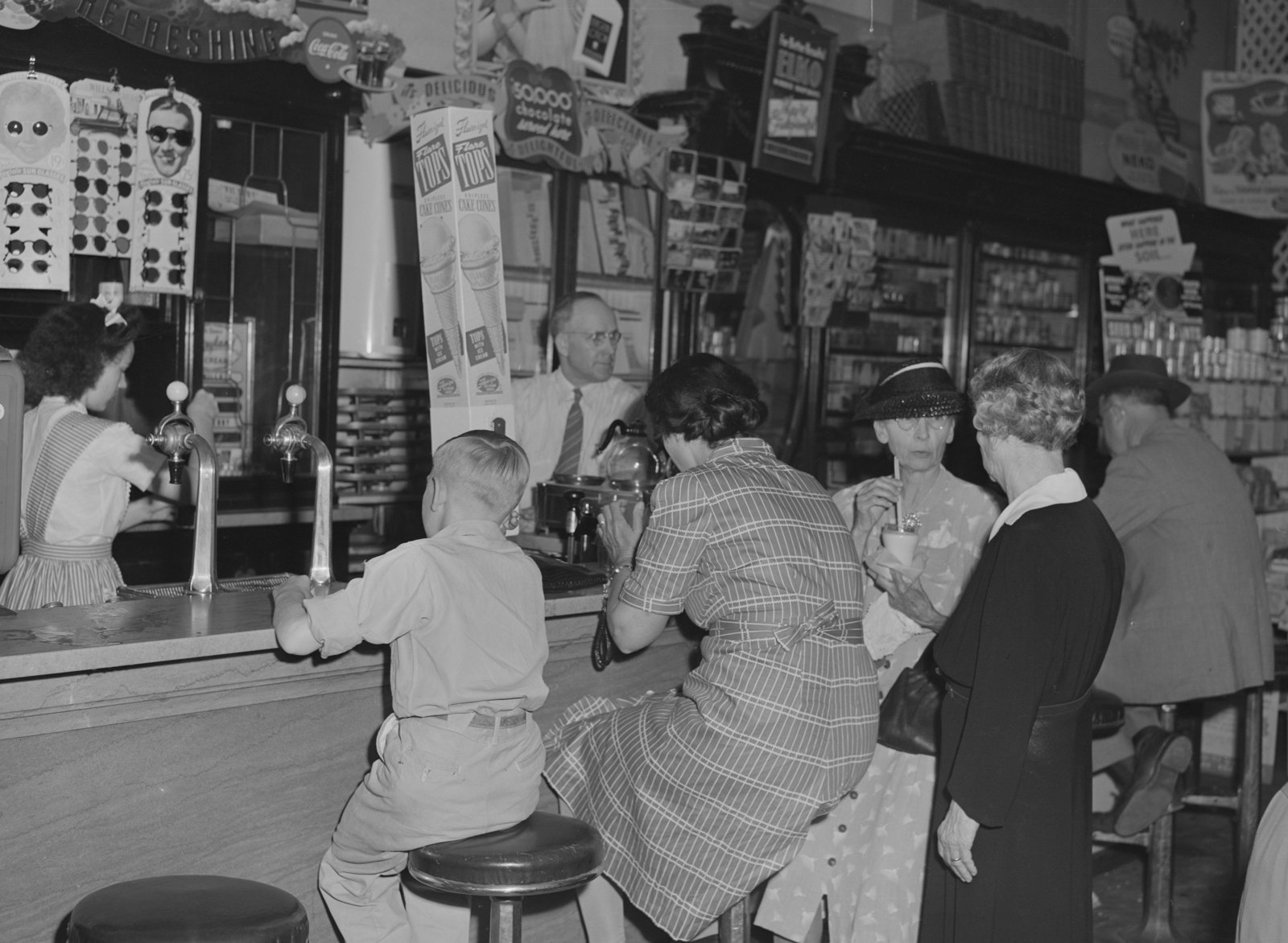
Whether you were looking for a chance to pop a squat and sip a soda or needed a prescription, the drugstore offered the best of both worlds. Drugstores were, first and foremost, the place people went to pick up their prescriptions. But that wasn’t all they offered in the way of convenience. These shops stocked cosmetics, personal care products, vitamins, and other everyday health products.
Some drugstores had the added allure of a soda fountain. In those stores, you could pop in for a quick errand and stop to socialize over a fountain drink. Counters were just as much for meeting up with acquaintances as they were for getting some refreshment, making the drugstore one of the hot spots downtown.
At the same time, the counter experience wasn’t the same for everyone. Segregation denied Black customers service at such counters. The 1960 sit-in movement focused on challenging this type of discrimination.
4. The Shoe Store
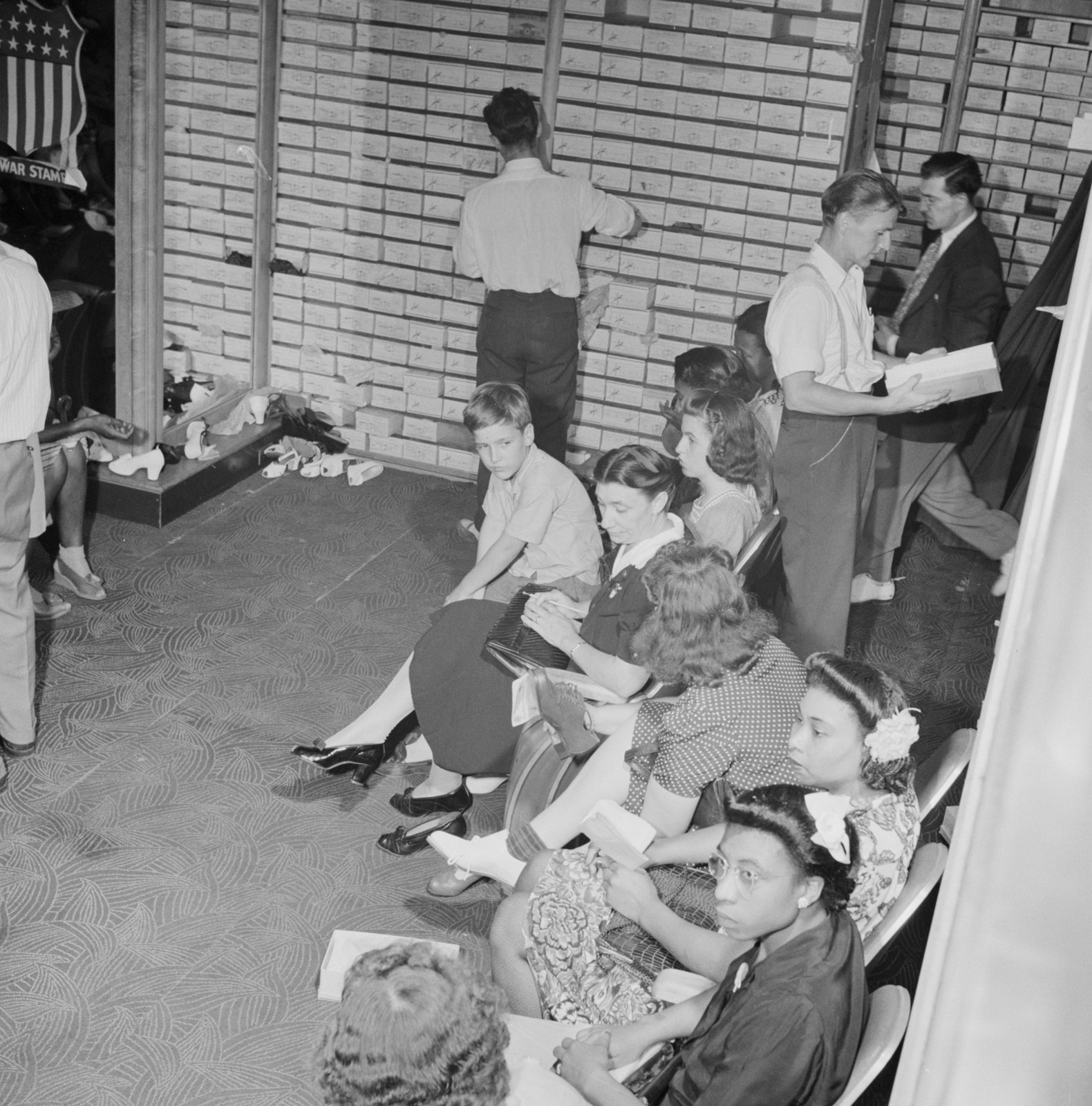
Once upon a time, shoe shopping was a full-service event. It started with a salesperson measuring your foot with that weird metal contraption before helping you find the perfect pair of shoes ferried from the back room.
And by full-service, they really did almost everything for you. All you had to do was sit back and relax while they ran to and from the back, getting you every kind of shoe you could imagine. If you weren’t careful, you could find yourself surrounded by skyscrapers of cardboard boxes with no way out.
Perhaps the wildest thing of all was the shoe stores that actually X-rayed children’s feet to sell shoes. Yes, X-rayed. Some shoe stores used shoe-fitting fluoroscopes in the 1930s–1950s. A child wearing shoes would step into the machine, and the salesperson, parents, and child could view the bones of the feet through viewing ports.
5. The Hardware Store
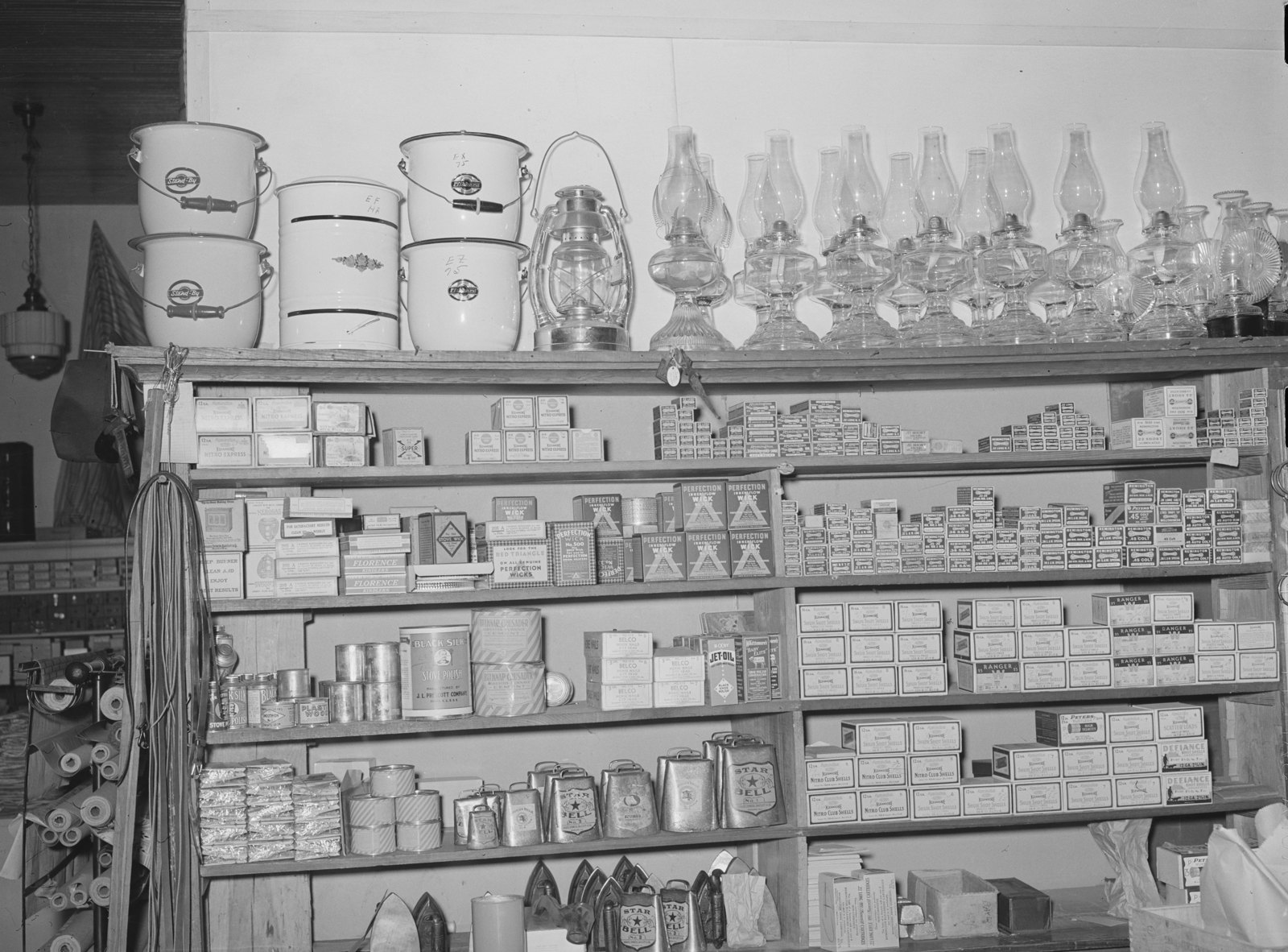
When you had a problem around the house that needed fixing, the hardware store was the place to go. This was where you took all those strange “this thing broke, and I need another one” requests. Weekend projects and repairs all got their start here.
The store itself could be very basic, with shelves and display cases filling much of the space. No matter how big or small your project was, you could find what you needed here, including nuts, bolts, and other fasteners. And speaking of those fasteners, if you didn’t know exactly what you were looking for, that wall of open bins could be more than a little overwhelming.
Hardware stores carried a lot of oddly specific items, but that never meant you were on your own to navigate the aisles. The staff knew the inventory well, so they could help you find what you needed among the numerous bins, drawers, and shelves.
6. The Fabric and Sewing Store
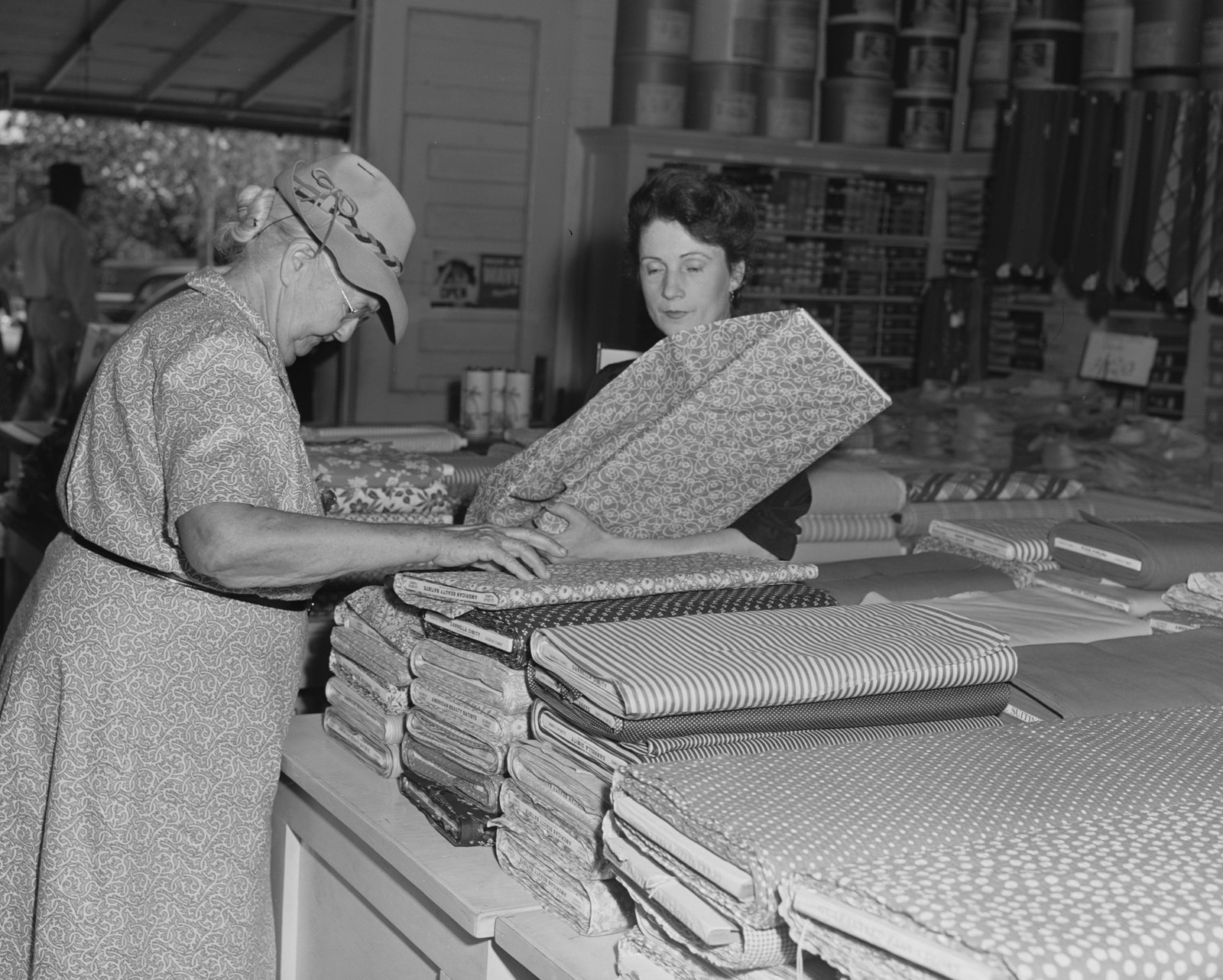
Sometimes the latest fashions were homemade, and they were only made possible through the fabric and sewing store. You went here with a purpose. Rather than grabbing a spool of thread and six other items, you went there to find the ingredients for something that didn’t exist yet.
First, you searched for the pattern. You could go to the fabric store and browse patterns from companies like McCall’s, Butterick, and Simplicity. With a pattern in hand, it was too easy to let excitement take over and think about the finished design.
Then it was time to choose the fabric. Bolts of fabric lined walls and shelves, and you had your pick. You could choose matching buttons and thread at the same time, with dozens of options for each. After you’d spent almost the entire afternoon making your selections, you still had to go home and actually start making the dress.
7. The Record Store
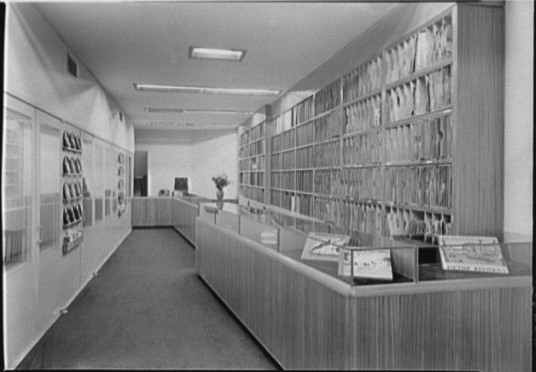
Searching for music used to be like an actual adventure, hunting for buried treasure. Unlike today’s easy search methods, browsing at the downtown record store wasn’t effortless. But let’s be real: flipping through the albums one by one was part of the experience.
Sometimes that casual flipping led to an unexpected find, as vibrant artwork stood out on the cover of an unknown album. Of course, not everyone was browsing aimlessly. Some shoppers came in looking for a particular artist, single, album, or new release. If you couldn’t find what you were searching for, a staff member was ready to help.
When you finally found what you were looking for, you had something worth carrying to the register. And it often featured liner notes, printed lyrics, photographs, or posters.
8. The Jewelry and Watch Shop
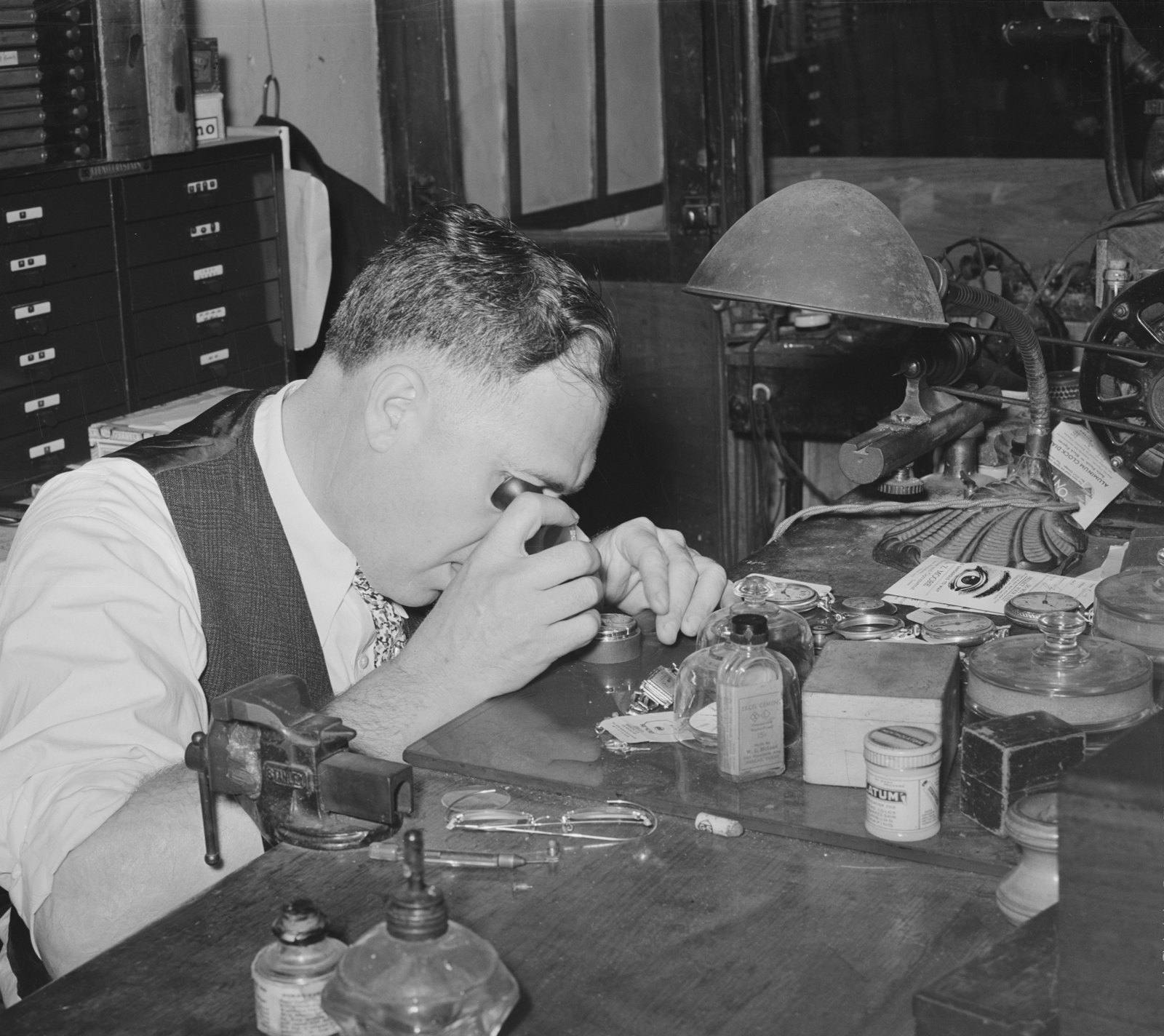
The downtown jewelry store was a place where you could plan milestone celebrations. You didn’t go here for casual browsing; you went here to find the perfect present. This store sold engagement rings, graduation presents, watches, and other special gifts.
Shopping involved browsing the shop’s many display cases. When you were ready to inspect something more closely, the salesperson would place it on the counter for you to try on.
But the jewelry and watch shop wasn’t just a place for shiny new things. It was also the place where people went for repairs. The store offered professional services for watch repair, jewelry repair, and engraving.
Basically, the jewelry store was where you went when you wanted to make a purchase that would last. It was also the place you went when that same everlasting thing stopped working.
9. The Bookshop and Newsstand
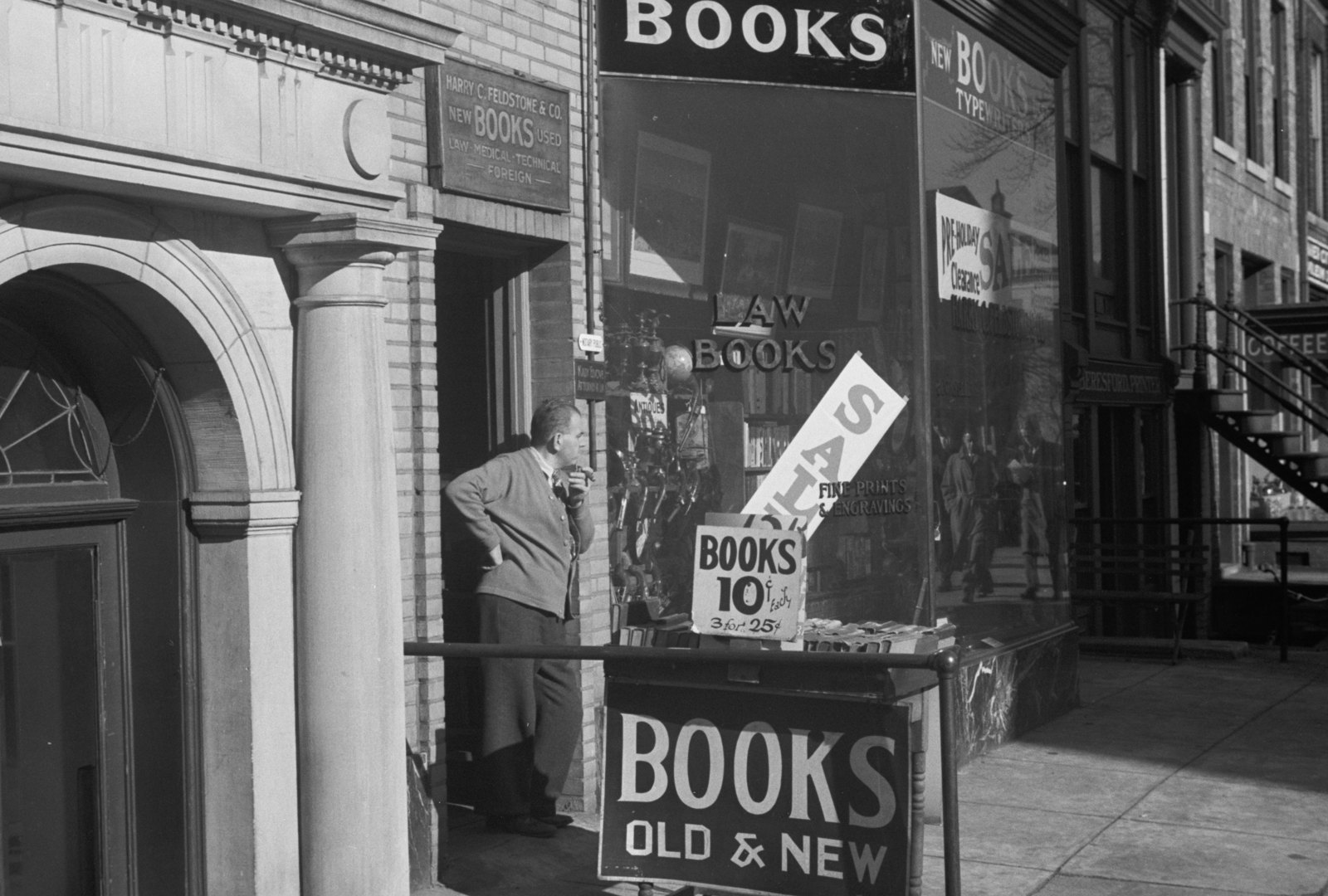
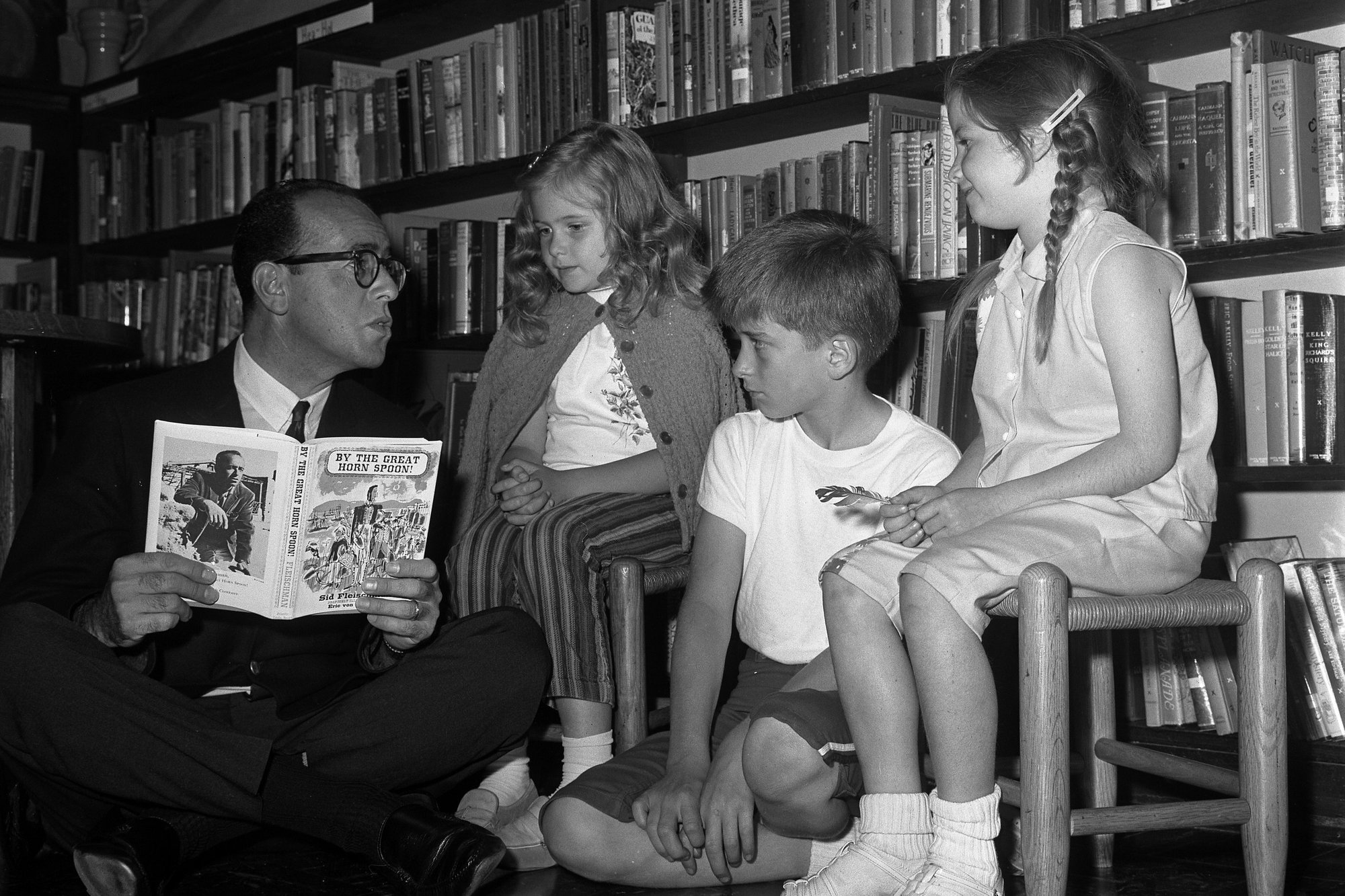
At the downtown bookshop, you could fall into a world of pure bliss. Think: shelves filled to the brim with new releases, old favorites, and everything in between. The best part was when browsing the paperbacks led to an unexpected find, and a striking cover caught your attention.
Newspapers and current magazines filled the newsstand. As you looked around the shop, headlines and covers fought for attention. A lot of shopping decisions could end up based on what stood out most that day.
While we’re taught to never “judge a book by its cover,” that’s exactly what a lot of people did at the downtown bookshop and newsstand. And sometimes, choosing that interesting cover paid off when you found an incredible read for the day.
10. The Bakery
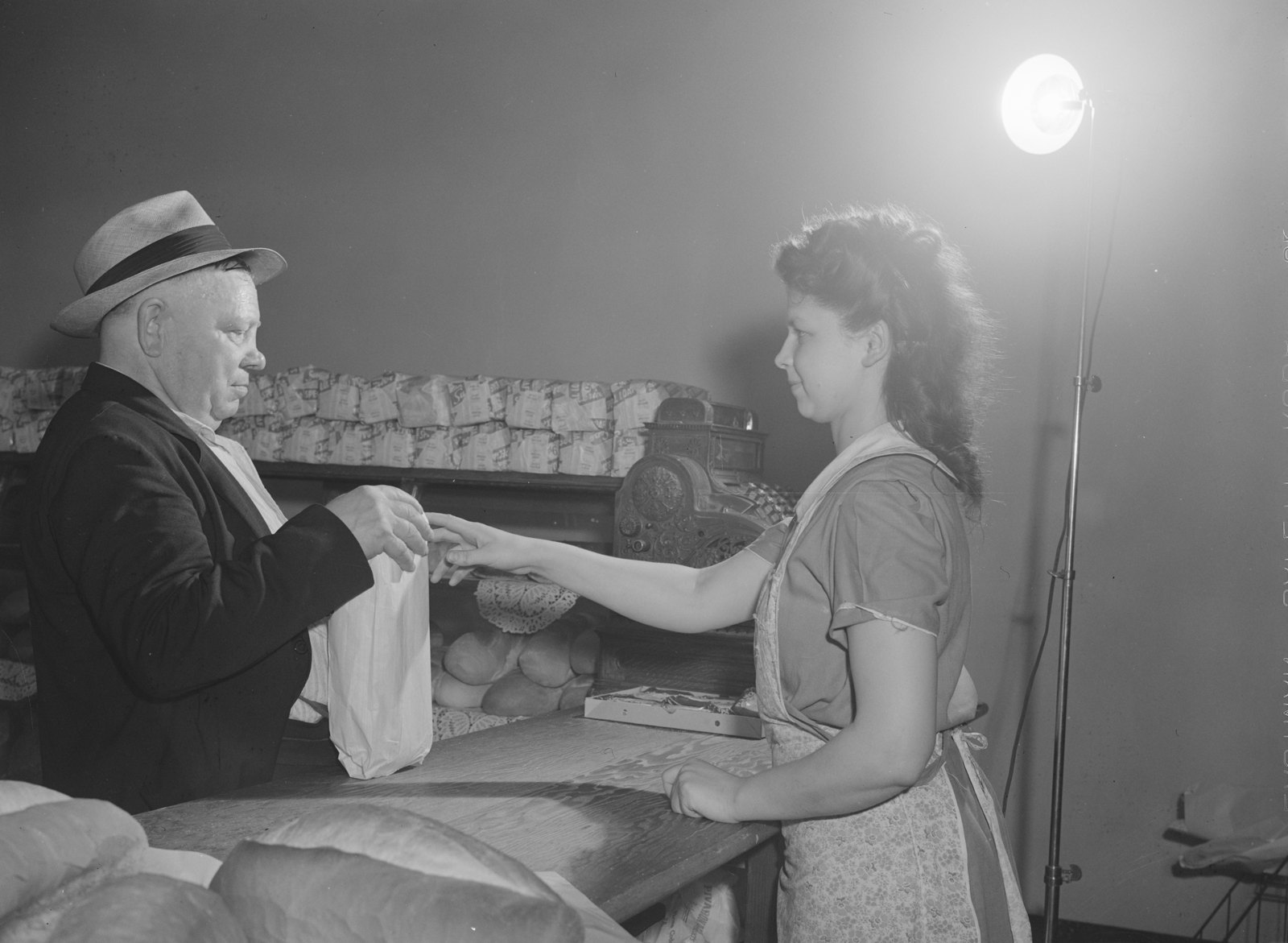
No visit downtown was complete without a stop in at the local bakery. The closer your shopping trip took you to this shop, the stronger the amazing aromas from the ovens grew. Bakeries were known for making fresh bread, cakes, rolls, pastries, and more. They were probably the one place in town you had to have an iron will to walk by without buying something.
This shop served two main purposes: a source of everyday baked goods and a place to buy celebration cakes. When you walked in, delicious creations were on display, ready for selection. The counter staff would box up your purchase, and you’d be on your way home to enjoy some deliciously crafted goods.
After a long day of shopping, the bakery could feel like the long-awaited treat for all your troubles. Maybe it was your last stop before going home, or maybe it was the only reason you came into town. Regardless, it was the one shop you almost never left empty-handed.
When Downtown Was the Destination
You might have gone downtown for practical things like shoes, clothes, and prescriptions, but it was the small discoveries that kept you there for an entire afternoon. Over time, some of these shops stuck around, while others fell by the wayside, changing the downtown landscape. When you think back to the old downtown scene, what was your favorite shopping memory?
Leave a Reply