
Take a trip back to1943What the world was like the year you were born
What things cost
The price tags of 1943
What things cost in 1943, what that works out to in today's money, and what they actually cost now. Some kept pace with inflation, and some ran way ahead.
"In today's dollars" uses the Consumer Price Index (1943 average 17.3; 2024 average 313.7), about 18 times. Steak, pork chops, chicken, cheese, potatoes, and bananas are 1943 averages for large cities from the Bureau of Labor Statistics, compared with BLS national averages for October 2026. The Little Golden Book price comes from the series' history, and today's price is the list price at bookstores, where it varies.
Ration points at the grocery store
Rationing reached the dinner table in 1943. Canned, bottled, and frozen foods went on the ration list in March, and meat, butter, cheese, and cooking fats followed, with meat rationing starting March 29. Shoppers paid in cash and in stamps from the family's ration books, red stamps for meat and butter and blue ones for processed foods. Coffee went the other way, since shipping improved enough to take it off the list.
The Zoot Suit Riots
From June 3 to June 8, servicemen and white civilians in Los Angeles roamed the streets attacking young Mexican Americans in zoot suits, along with Black and Filipino young people. They dragged some out of movie theaters and off streetcars, beat them, and stripped off their clothes. Police had orders not to arrest the attackers, and they arrested more than 500 Mexican American civilians. The Navy and Marine Corps finally declared Los Angeles off-limits to their men on June 8.
Taxes come out of the paycheck
President Roosevelt signed the Current Tax Payment Act on June 9, and starting July 1, employers held back income tax from wages before workers ever saw them. For most earners the withholding was 20 percent of wages above an exemption. It was the start of the pay-as-you-go system Americans still live with.
Italy surrenders
American and British troops invaded Sicily on the night of July 9, and on July 25, after the Fascist Grand Council turned against him, Mussolini was dismissed and arrested. Italy's surrender was announced on September 8, and Allied troops landed at Salerno the next day. German forces took over much of the country, and the fighting in Italy went on until 1945.
Detroit burns for three days
Fights between Black and white young people at Belle Isle Park on Sunday, June 20, spread into Detroit, a city crowded with war workers and short of housing. White mobs beat Black workers as they stepped off streetcars, and the violence went on until 6,000 federal troops arrived. Thirty-four people were killed, 25 of them Black, and 17 of those were killed by police. Thurgood Marshall, then with the NAACP, accused the police of targeting Black residents while white rioters went free.
A loyalty test behind barbed wire
The government had forced more than 110,000 Japanese Americans, most of them U.S. citizens, into camps in 1942. In February it handed adults in the ten camps a loyalty questionnaire, and people who refused to answer two questions, about serving in combat and swearing allegiance, or who answered no, were labeled disloyal. That summer, Tule Lake in California became a maximum-security segregation center for them. The same February, the Army activated the 442nd Regimental Combat Team, made up of Japanese American volunteers, many of them from Hawaii and some from the camps.
On the air
Turn the dial
Turn the knob, or tap a song, to tune in the radio that year.
Turn to tune
A 30-second preview from Spotify. It loads only when you tap.
On the radio
On the radio dial
At the pictures
Now showing
Tonight · 1943
The craze of the year
Victory gardens everywhere
With canned vegetables on ration points, Americans dug up backyards, vacant lots, and parks. By May 1943 there were about 18 million victory gardens in the country, 12 million in cities and towns and 6 million on farms. Eleanor Roosevelt planted one on the White House lawn that year, even though the Department of Agriculture worried it would hurt the food business. The wartime slogan was "grow your own, can your own."
Flip the cards
The home front, card by card
Six things Americans lived with, bought, or lined up for in 1943. Tap a card to turn it over.
In the nursery
What everybody named their baby
The Social Security Administration's top five names for babies born in 1943.
Girls
Boys
Type any name to see where it ranked among the top 1,000 names of 1943.
Born the same year
The class of '43
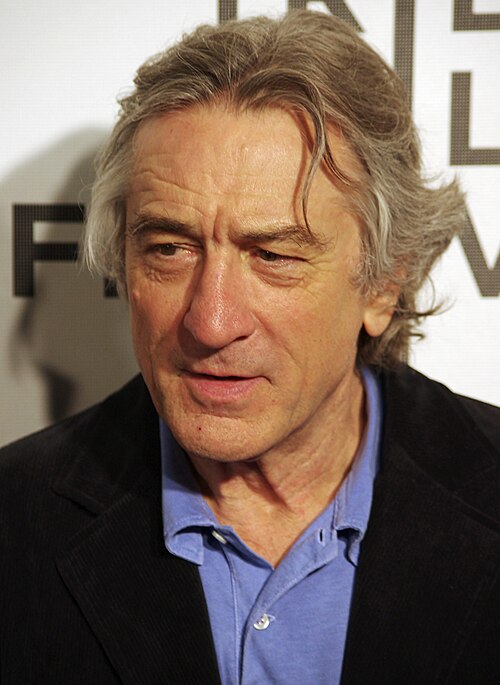
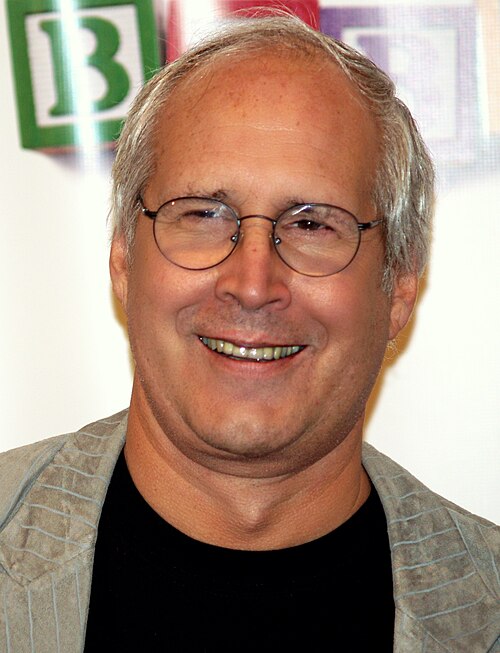
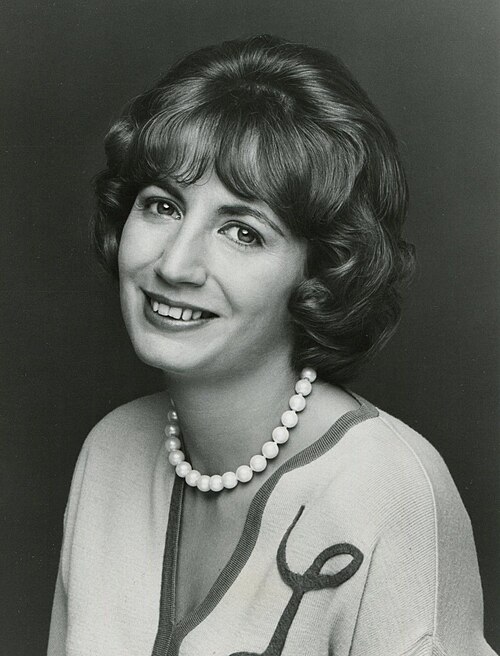
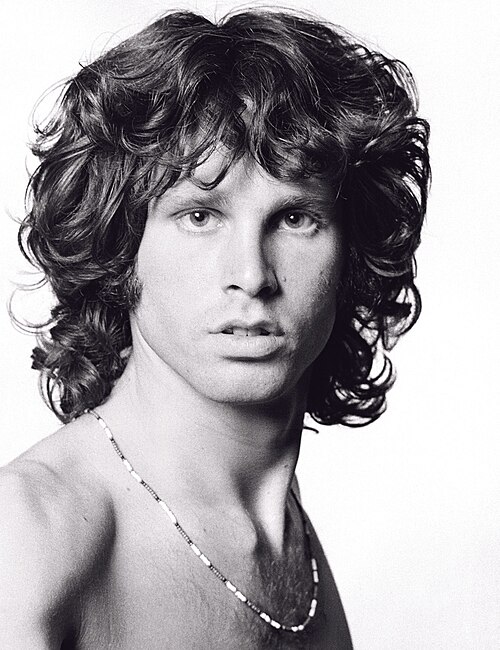
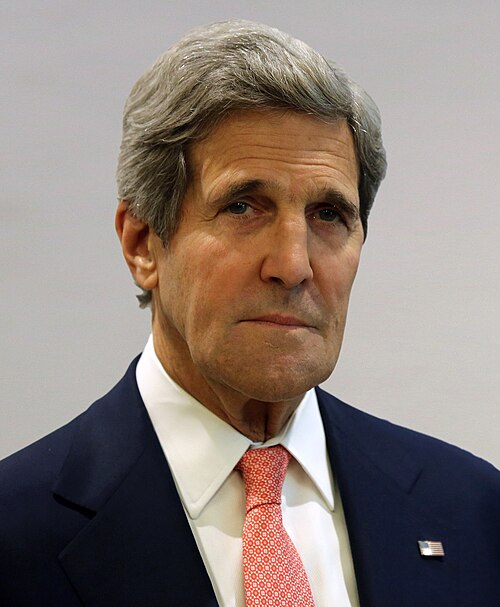
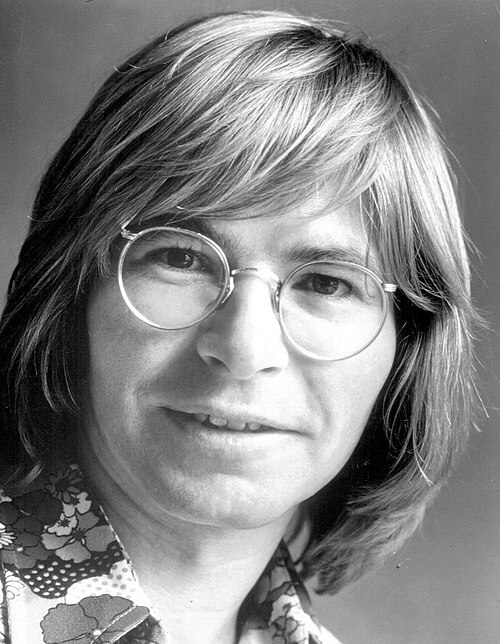
Famous faces born the same year as you, or as the person you love.
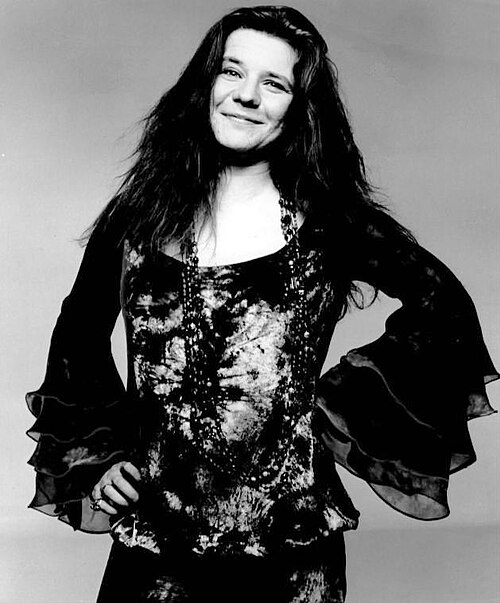
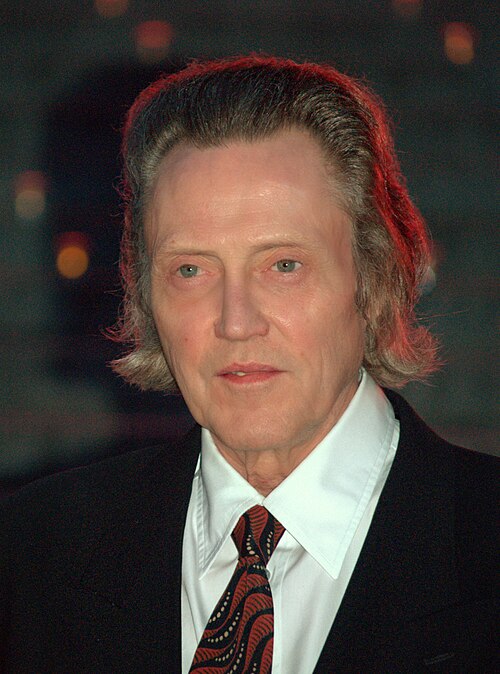
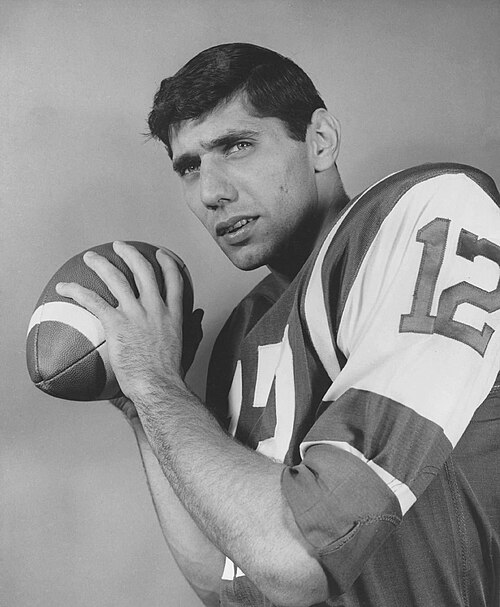
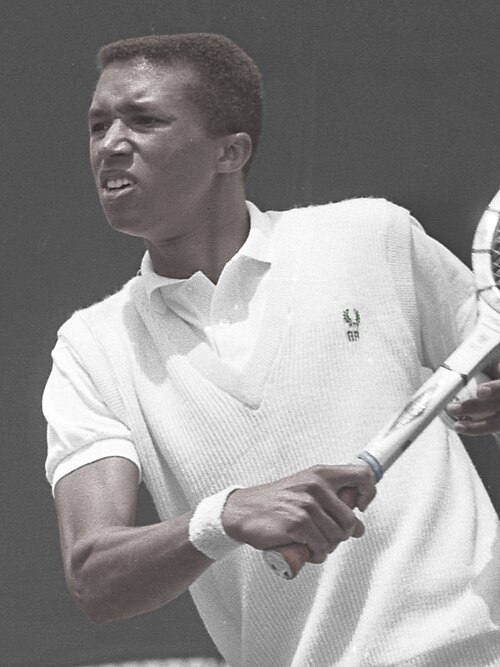




Down memory lane
How old you were when…
The big moments, marked by birthdays.
The park in Anaheim, California, opened on July 17.
The Soviet Union launched the first artificial satellite on October 4, and the space race began.
For most 1943 babies, the race between Lyndon Johnson and Barry Goldwater was the first presidential election they could vote in.
Classmate Joe Namath promised a win and then led the New York Jets past the Baltimore Colts, 16–7, in Super Bowl III on January 12.
Billie Jean King, another member of the class of '43, beat Bobby Riggs 6–4, 6–3, 6–3 at the Houston Astrodome on September 20.
Classmate Chevy Chase shouted the first "Live from New York, it's Saturday Night!" on October 11.
Penny Marshall's comedy became the first film directed by a woman to gross more than $100 million in the United States.
John Kerry accepted the Democratic nomination in Boston on July 29.
Keepsake
Make it a keepsake
Everything on this page, with a name and birthday on the cover. Keep it for yourself, or give it to someone born in 1943. Fill in the cover to see how it looks.
Coming soon: order it as a print ready for framing, or as a digital download.
Sources for this guide
- Births: National Center for Health Statistics, Live Births, Birth Rates, and Fertility Rates, 1909–80 (Table 1-1)
- Baby names: Social Security Administration, Top 5 Names
- Consumer Price Index: Federal Reserve Bank of Minneapolis, CPI 1913–
- 1943 food prices and rationing: Bureau of Labor Statistics, Retail Prices of Food, 1942 and 1943 (Bulletin 799)
- Food prices today: Bureau of Labor Statistics average prices, via FRED
- Little Golden Books: Wikipedia, Little Golden Books
- Shoe rationing: Smithsonian Magazine, shoe rationing in World War II
- The Zoot Suit Riots: Wikipedia, Zoot Suit Riots
- The Detroit riot: Wikipedia, 1943 Detroit race riot
- Loyalty questionnaire and Tule Lake: National Park Service, Tule Lake Segregation Center
- Paycheck withholding: Wikipedia, Current Tax Payment Act of 1943
- Billboard No. 1s: Wikipedia, List of Billboard number-one singles of 1943