
Take a trip back to1953What the world was like the year you were born
The fighting stops in Korea
On July 27 at Panmunjom, after two years of talks, negotiators for the United Nations Command, North Korea, and China signed an armistice, and the guns went quiet that night. The cease-fire line became a demilitarized zone near the 38th parallel, where the war had started in 1950. By then 36,576 Americans had died in Korea and more than 103,000 had been wounded, and the National Park Service puts North Korean and Chinese casualties, counting prisoners, at more than 1.5 million. No peace treaty was ever signed.
Lucy has her baby
On January 19, Lucille Ball gave birth to Desi Arnaz Jr. That night CBS aired the I Love Lucy episode in which Lucy Ricardo has her baby boy, filmed back in November. About 44 million people watched, far more than tuned in to President Eisenhower's inauguration the next day.
A terrible spring for tornadoes
On May 11, an F5 tornado struck Waco, Texas, and killed 114 people. On the evening of June 8, another F5 killed 116 in Flint, Michigan, and its suburb of Beecher, and the next day a tornado killed 94 in and around Worcester, Massachusetts.
A new chief justice
Chief Justice Fred Vinson died in September, and in October President Eisenhower put California governor Earl Warren in his place. The Court had first heard Brown v. Board of Education, the school segregation cases, in December 1952 without deciding them, and it heard them again on December 8, 1953, with Warren presiding.
The Rosenbergs are executed
On June 19, Julius and Ethel Rosenberg of New York were put to death in the electric chair at Sing Sing prison, leaving two young sons. They'd been convicted of conspiring to pass atomic secrets to the Soviet Union, and they were the only American civilians executed for espionage during the Cold War. Soviet cables released decades later confirmed that Julius had spied, and in 2001 Ethel's brother, David Greenglass, said he'd given false testimony against her.
Baton Rouge's bus boycott
Most of the passengers on Baton Rouge's city buses were Black, but the front seats were saved for white riders, even when they sat empty. In June, after the state threw out a city rule that had eased the seating, the Rev. T. J. Jemison and the city's Black churches called a boycott and organized car pools to get people to work. It ended after about a week with a compromise that kept segregated seating, and it became a model for the Montgomery bus boycott two years later.
What things cost
The price tags of 1953
What things cost in 1953, what that works out to in today's money, and what they actually cost now. Some kept pace with inflation, and some ran way ahead.
"In today's dollars" uses the Consumer Price Index (1953 average 26.8; 2024 average 313.7), about 11.7 times. The 1953 food prices are U.S. annual averages from the Bureau of Labor Statistics report Retail Prices of Food, 1953-54 (Bulletin 1183), and today's are BLS average prices for October 2026. Other sources: the USPS history of letter rates and the Labor Department's minimum wage chart.
Firsts of 1953
Six firsts from the year
Tap a card to see what each one stands for.
On the air
Turn the dial
Turn the knob, or tap a song, to tune in the radio that year.
Turn to tune
A 30-second preview from Spotify. It loads only when you tap.
On the radio
New on TV
Born the same year
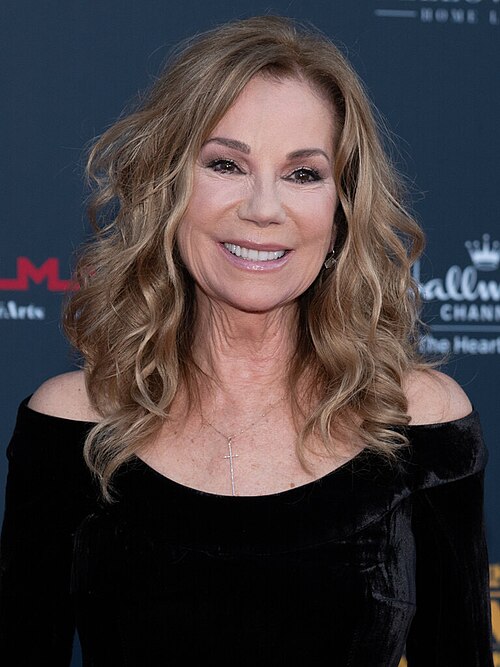
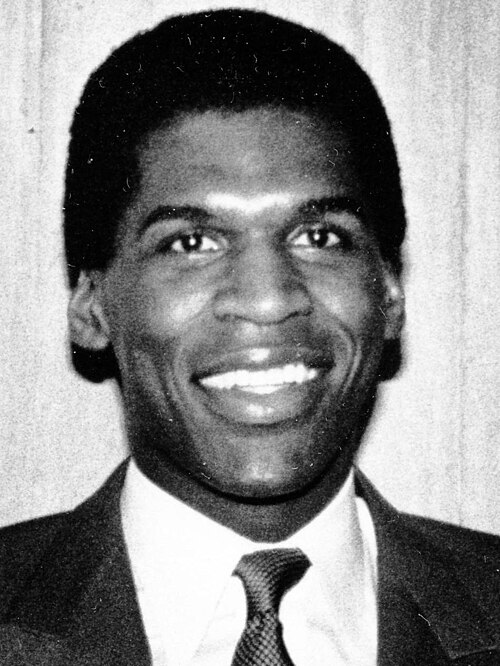
The class of '53
Famous faces born the same year as you, or as the person you love.








At the pictures
Now showing
Tonight · 1953
The craze of the year
Put on your 3-D glasses
Bwana Devil, the first color 3-D feature, opened late in 1952 and drew crowds despite bad reviews, so Hollywood rushed out more, and audiences watched through polarized glasses. Warner Bros.' House of Wax, starring Vincent Price, came out in April as the first 3-D feature with stereo sound, and Universal's It Came from Outer Space followed in May. By late summer the boom was cooling, since theaters had trouble keeping the two projectors in sync and studios were turning to wide-screen CinemaScope. The last 3-D feature of the boom came out in February 1955.
In the nursery
What everybody named their baby
The Social Security Administration's top five names for babies born in 1953.
Girls
Boys
Type any name to see where it ranked among the top 1,000 names of 1953.
Down memory lane
How old you were when…
The big moments, marked by birthdays.
Alaska became a state on January 3 and Hawaii on August 21.
John F. Kennedy was shot in Dallas on November 22, the year the class of '53 turned 10.
Apollo 11 landed on July 20, the year the class of '53 turned 16.
The 26th Amendment lowered the voting age to 18 in 1971, so every 1953 baby could vote on November 7, 1972.
On June 9, the class of '53's Cyndi Lauper reached No. 1 on the Billboard Hot 100 for the first time.
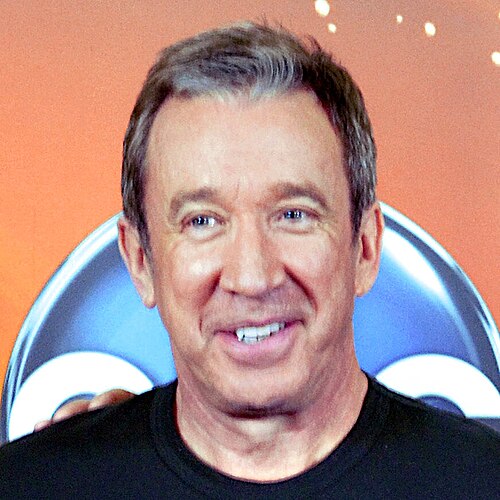
The class of '53's Tim Allen started his run as Tim "The Toolman" Taylor on ABC on September 17.
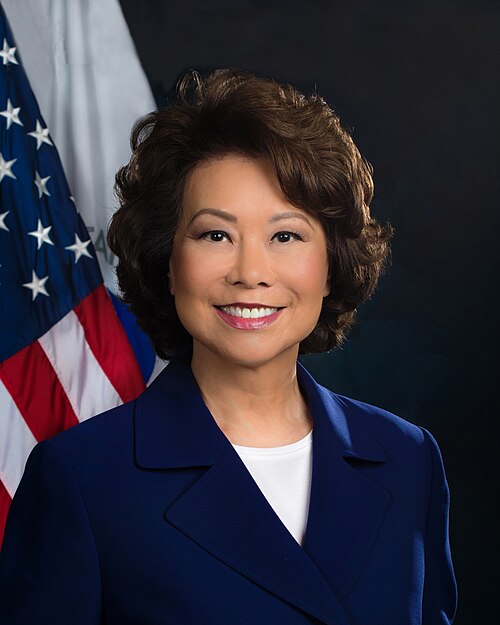
The class of '53's Elaine Chao became secretary of labor, the first Asian American woman in a presidential Cabinet.
On July 4, the country marked 250 years since the Declaration of Independence, the same year the class of '53 turned 73.
Keepsake
Make it a keepsake
Everything on this page, with a name and birthday on the cover. Keep it for yourself, or give it to someone born in 1953. Fill in the cover to see how it looks.
Coming soon: order it as a print ready for framing, or as a digital download.
Sources for this guide
- Food prices, 1953: Bureau of Labor Statistics, Retail Prices of Food, 1953-54 (Bulletin 1183), Table 8
- Food prices today: Bureau of Labor Statistics, average price data
- Minimum wage: U.S. Department of Labor, history of federal minimum wage rates
- Baby names: Social Security Administration, Top 5 Names
- Births: U.S. Census Bureau, Statistical Abstract, Table HS-13
- Korean War armistice: National Archives
- Korean War casualties: National Park Service, Korean War Veterans Memorial
- Baton Rouge bus boycott: 64 Parishes, Louisiana Endowment for the Humanities
- The Rosenberg case: Wikipedia, Julius and Ethel Rosenberg
- The first Corvette: HISTORY.com