
Take a trip back to1933What the world was like the year you were born
Roosevelt takes over, and the banks close
By the time Franklin Roosevelt took the oath of office on March 4, bank runs had pushed all 48 states into bank holidays. In his inaugural address he told the country that "the only thing we have to fear is fear itself." Two days later he closed every bank in the nation, Congress passed the Emergency Banking Act on March 9, and on Sunday night, March 12, he explained it all on the radio in his first fireside chat. When the banks began reopening the next morning, depositors lined up to put their cash back.
The Hundred Days
Roosevelt kept Congress in a special session for about three months and got 15 major bills passed. The Civilian Conservation Corps put young men to work planting trees and fighting erosion for $30 a month, with $25 of it sent home to their families. The Tennessee Valley Authority followed on May 18, and on June 16 Roosevelt signed the National Industrial Recovery Act and the Banking Act that created federal deposit insurance.
A world's fair in Chicago
A Century of Progress opened on May 27 along the Lake Michigan shore. Its lights were switched on by light from the star Arcturus, picked up by observatory telescopes, which had started its trip about the time of Chicago's 1893 fair. The fair counted about 22.5 million paid admissions before it closed for the season on November 12. Some exhibits included offensive portrayals of Black Americans, and one displayed real premature babies in incubators.
Prohibition ends
Beer came back first. On April 7, beer of 3.2 percent alcohol became legal, and crowds gathered outside breweries and taverns. On December 5, Utah became the 36th state to ratify the 21st Amendment, ending national Prohibition after almost 14 years. It's still the only amendment that repeals another one.
The worst year of the Depression
By the government's later count, about 12.8 million Americans were out of work in 1933, close to a quarter of the labor force. About 4,000 banks suspended operations during the year, most of them by mid-March, and many families lost their savings. On the Great Plains, drought was drying out the plowed-up grassland, and on November 11 a dust storm stripped the topsoil from South Dakota farms, one of a series of bad storms that year.
Lynchings in Maryland and California
On October 18, a white mob in Princess Anne, Maryland, broke into the jail, dragged out George Armwood, a 23-year-old Black laborer accused of assaulting an elderly white woman, and hanged him and burned his body. No one was ever convicted. On November 26, a crowd in San Jose, California, lynched two white men who had confessed to kidnapping and killing a department-store heir, Brooke Hart. Governor James Rolph said he would pardon anyone convicted of the San Jose lynching.
On the air
Turn the dial
Turn the knob, or tap a song, to tune in the radio that year.
Turn to tune
A 30-second preview from Spotify. It loads only when you tap.
On the radio
On the radio dial
What things cost
The price tags of 1933
What things cost in 1933, what that works out to in today's money, and what they actually cost now. Some kept pace with inflation, and some ran way ahead.
"In today's dollars" uses the Consumer Price Index (1933 average 13.0; 2024 average 313.7), about 24 times. Bread, milk, butter, coffee, round steak, and pork chops are 1933 averages for 51 large cities from the Bureau of Labor Statistics, compared with BLS national averages for October 2026. The 1933 milk price is for a quart of fresh milk, and today's is a quarter of the average price of a gallon. Deposit insurance figures are from the FDIC; the first $2,500 coverage took effect on January 1, 1934.
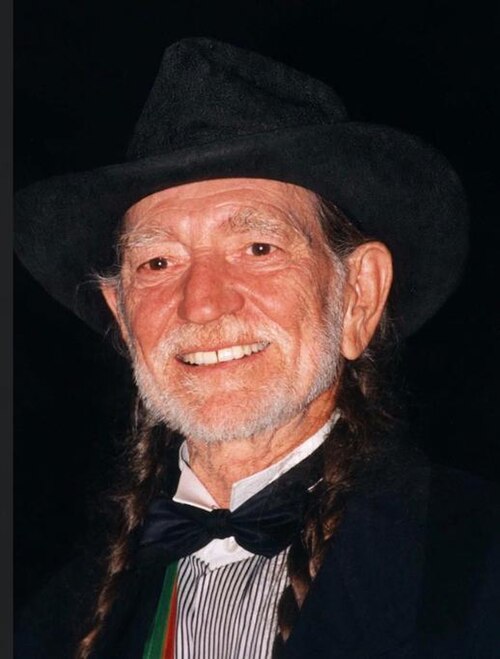
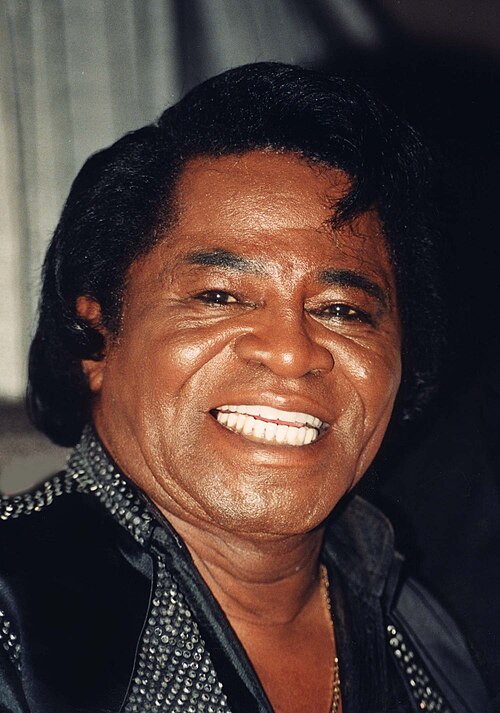
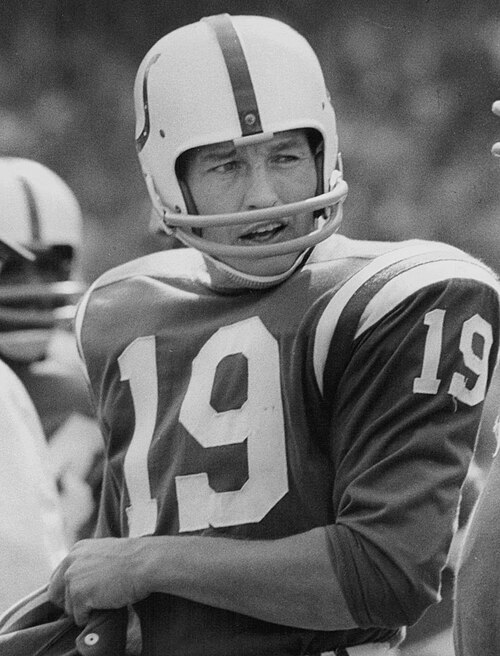
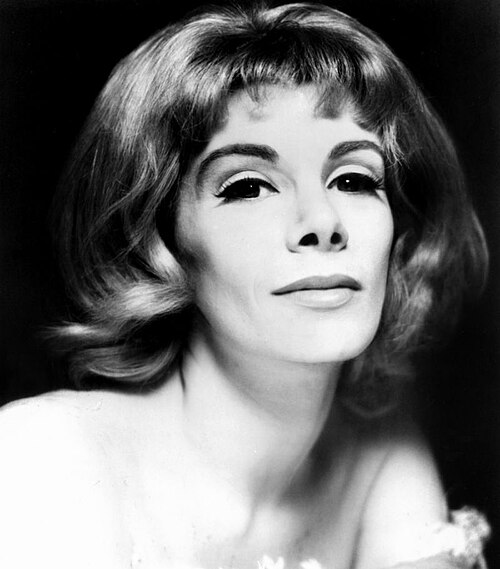
Born the same year
The class of '33
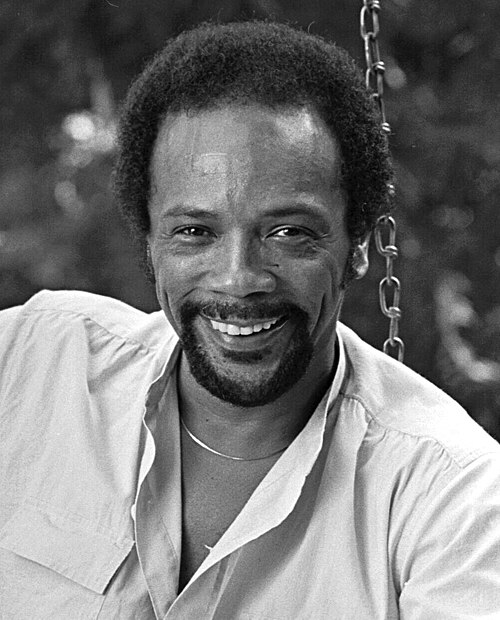
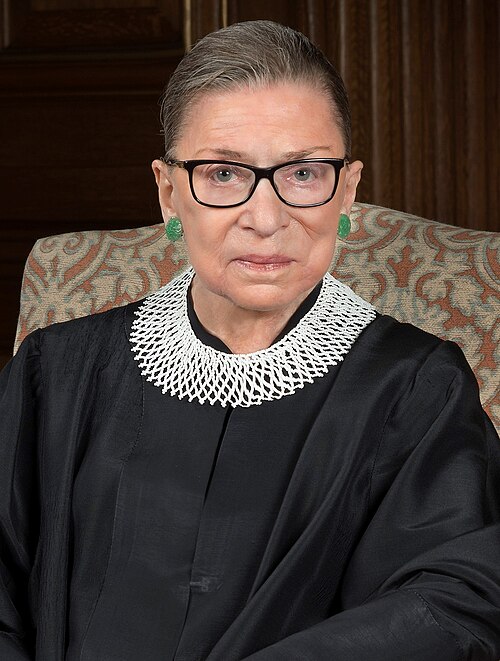
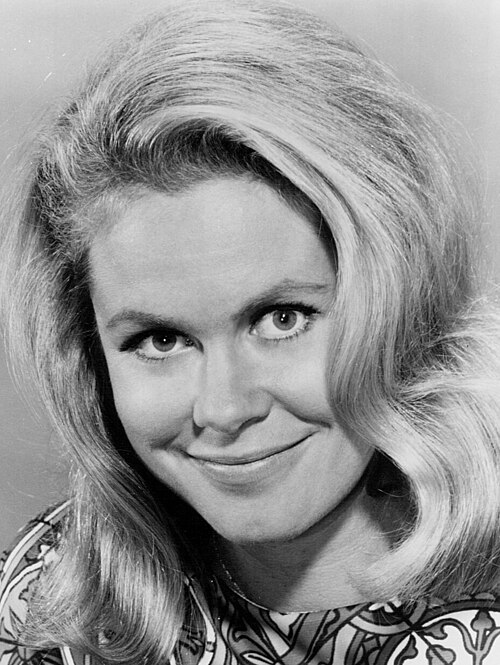
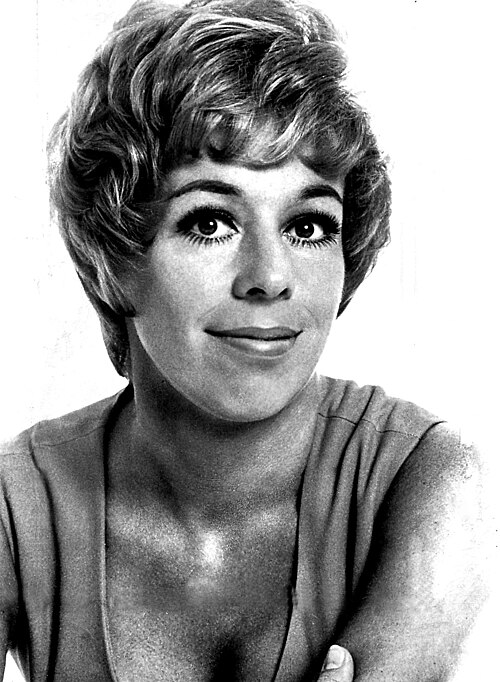
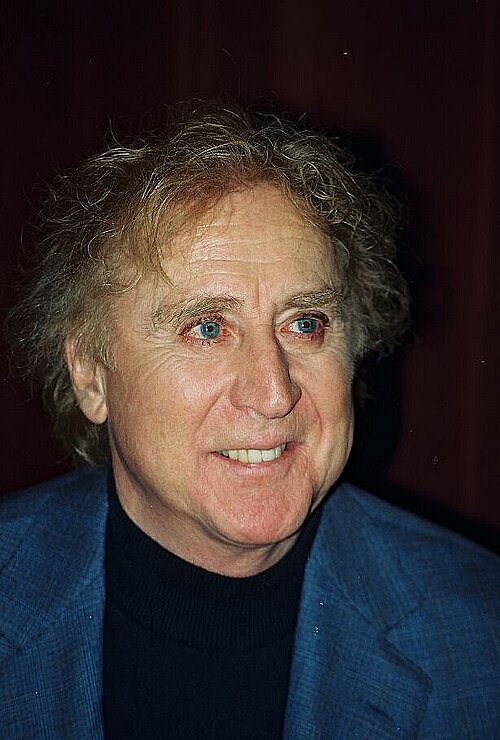
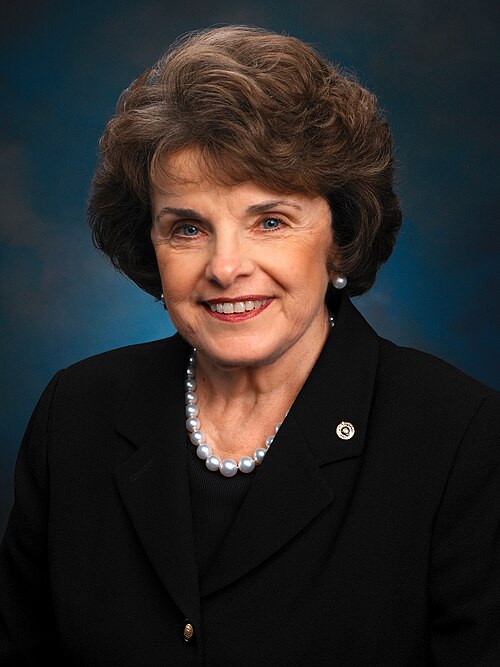
Famous faces born the same year as you, or as the person you love.






Admit one
Tear off a ticket
Six big openings and first nights from 1933. Tap a ticket to tear it off.
In the nursery
What everybody named their baby
The Social Security Administration's top five names for babies born in 1933.
Girls
Boys
Type any name to see where it ranked among the top 1,000 names of 1933.
At the pictures
Now showing
Tonight · 1933
The craze of the year
Jigsaw puzzles by the million
In early 1933, jigsaw puzzles were everywhere. Puzzle historian Anne D. Williams puts sales at their peak at about 10 million a week. A new die-cut "Jig of the Week" reached the newsstands every Wednesday for 25 cents, stores gave away advertising puzzles with toothbrushes and flashlights, and drugstores rented puzzles out for 3 to 10 cents a day. Out-of-work carpenters and architects cut wooden puzzles at home to sell or rent.
Down memory lane
How old you were when…
The big moments, marked by birthdays.
Japan attacks on December 7, and the country is at war before the class of '33 turns nine.
Japan's surrender is announced on August 14 and signed on September 2.
Robinson plays first base for the Brooklyn Dodgers on April 15, breaking the major leagues' color line.
With the voting age at 21, the Eisenhower-Stevenson rematch was the first presidential election a 1933 baby could vote in.
John F. Kennedy is assassinated in Dallas on November 22.
Apollo 11 lands on July 20.
Quincy Jones, class of '33, produces and conducts the charity record for famine relief in Ethiopia.
Ruth Bader Ginsburg, class of '33, joins the Court on August 10, the second woman to serve there.
Keepsake
Make it a keepsake
Everything on this page, with a name and birthday on the cover. Keep it for yourself, or give it to someone born in 1933. Fill in the cover to see how it looks.
Coming soon: order it as a print ready for framing, or as a digital download.
Sources for this guide
- Prices then: U.S. Bureau of Labor Statistics, CPI-U annual averages
- Food prices, 1933: BLS Bulletin 635, Retail Prices of Food, 1923-36 (FRASER)
- Food prices today: BLS Average Price Data
- Banks and deposit insurance: FDIC, deposit insurance history, 1930-1939
- Baby names: Social Security Administration, Top 5 Names
- Unemployment: BLS Monthly Labor Review, unemployment estimates for the 1930s
- George Armwood: Equal Justice Initiative, A History of Racial Injustice
- Radio ratings: Gold Time Radio, the 1932-33 and 1933-34 seasons
- Jigsaw puzzle craze: Anne D. Williams, Jigsaw Puzzles: A Brief History
- Births: National Center for Health Statistics, live births 1909-80