
Take a trip back to1951What the world was like the year you were born
What things cost
The price tags of 1951
What things cost in 1951, what that works out to in today's money, and what they actually cost now. Some kept pace with inflation, and some ran way ahead.
"In today's dollars" uses the Consumer Price Index (1951 average 26.0; 2024 average 313.7), about 12 times. 1951 gas is the national average for regular leaded from the Energy Information Administration, and family income is the Census Bureau's median for all families. Other sources: USPS histories of letter and postcard rates, the Hershey Community Archives, the $3.00 printed on the first-edition jacket of The Catcher in the Rye and Hachette's current list price, the Labor Department's minimum wage chart, the AAA national gas average, and typical store prices for a Hershey's bar, which vary.
On the air
Turn the dial
Turn the knob, or tap a song, to tune in the radio that year.
Turn to tune
A 30-second preview from Spotify. It loads only when you tap.
On the radio
New on TV
Admit one
Tear off a ticket
A strip of oddities from 1951. Tap a ticket to tear it off.
Television goes coast to coast
On September 4, President Truman opened the Japanese peace treaty conference in San Francisco, and for the first time a TV broadcast went out live from coast to coast. A new microwave relay system carried it, and CBS counted 87 stations in 47 cities. Six weeks later, I Love Lucy premiered on CBS.
Atomic tests come to Nevada
Just before dawn on January 27, an Air Force bomber dropped a one-kiloton atomic bomb over Frenchman Flat, about 65 miles northwest of Las Vegas. It was the first test at the new Nevada Test Site, and people in southern Utah reported seeing the flash. The government went on to conduct 928 tests there by 1992.
Students walk out in Farmville
On April 23, 16-year-old Barbara Johns led a walkout at Moton High School, the Black high school in Farmville, Virginia, to protest overcrowding and tar-paper buildings without heat or plumbing. NAACP lawyer Oliver Hill took the case on the condition that the students sue to end segregation. Their lawsuit became one of the five cases decided together in Brown v. Board of Education in 1954.
The Shot Heard 'Round the World
In mid-August, the New York Giants were 13½ games behind the Brooklyn Dodgers. They caught up, forced a playoff, and on October 3 at the Polo Grounds, Bobby Thomson hit a three-run homer off Ralph Branca in the bottom of the ninth to win the pennant, 5–4. On the radio, Russ Hodges shouted "The Giants win the pennant!" again and again.
The war in Korea
In April, President Truman fired Gen. Douglas MacArthur, who had pushed to widen the war into China. Truce talks began in July, but they went on for two years and 158 meetings while the fighting continued. By the time the armistice was signed on July 27, 1953, 36,576 Americans had died in Korea.
Harry and Harriette Moore
On Christmas night, their 25th wedding anniversary, a bomb exploded under the bedroom of Harry and Harriette Moore in Mims, Florida. Harry Moore, the Florida NAACP's executive secretary, had spent years registering Black voters, and he was killed. Harriette died of her injuries nine days later, and no one was ever charged.
Born the same year
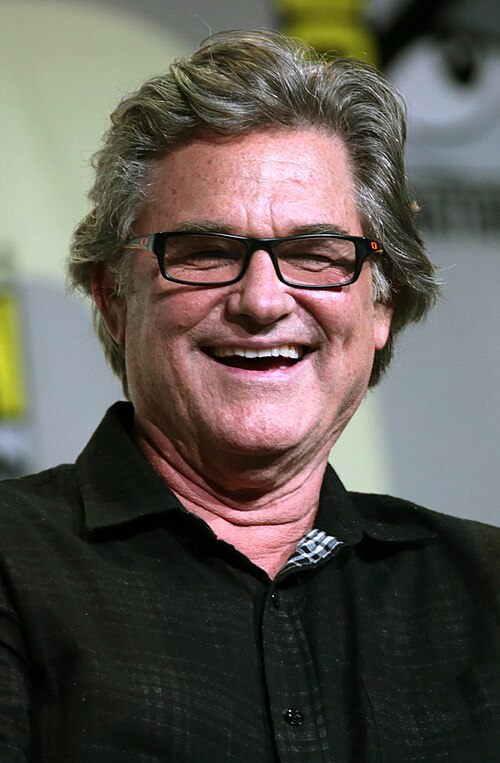
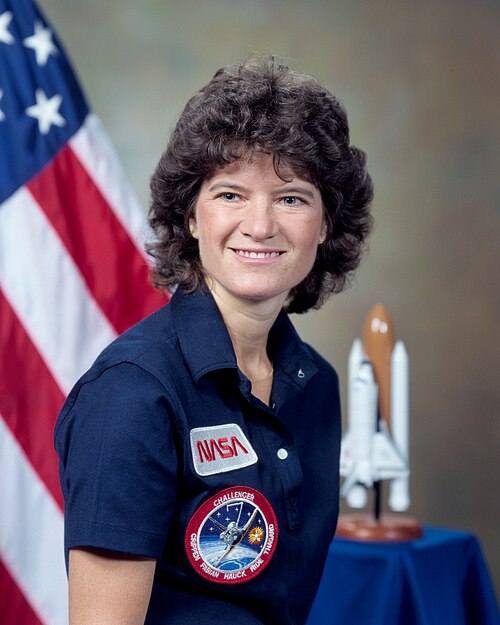
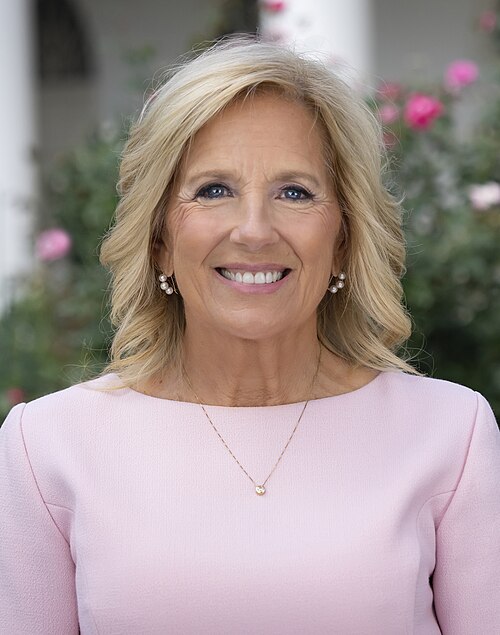
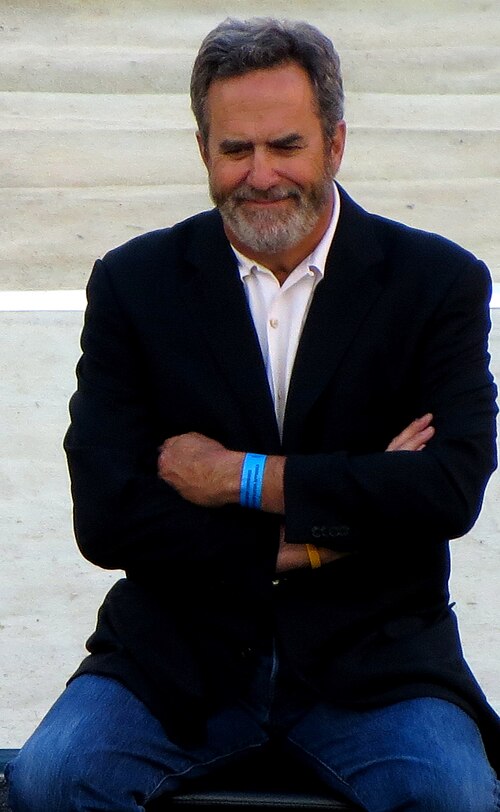
The class of '51
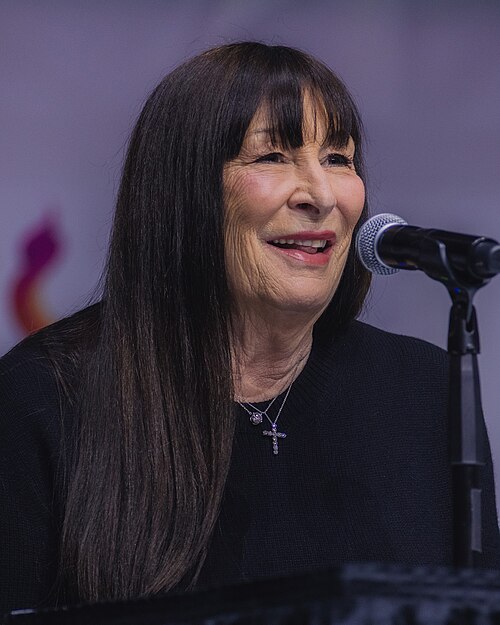
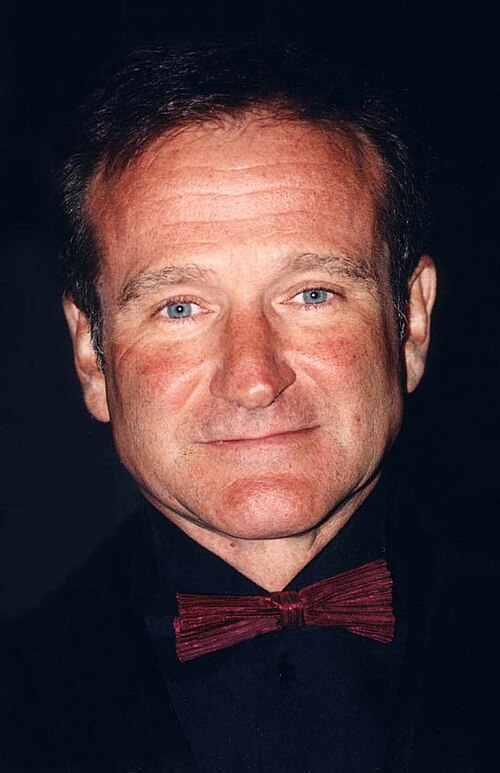
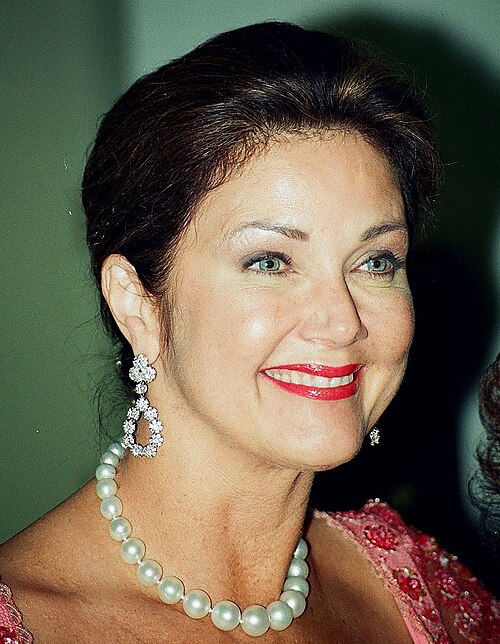
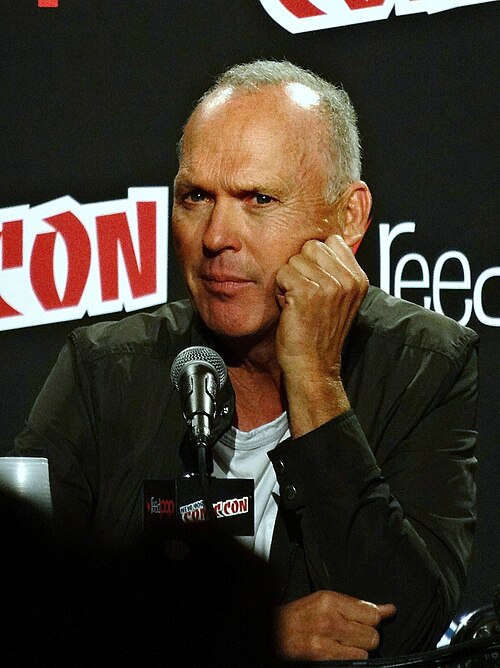
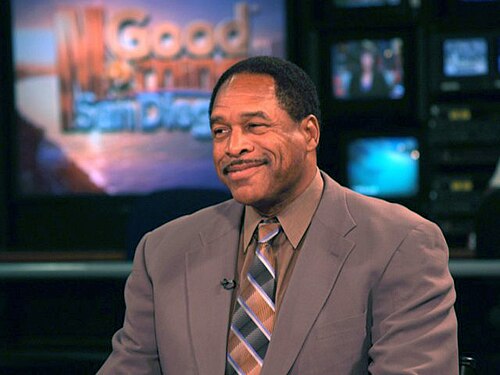
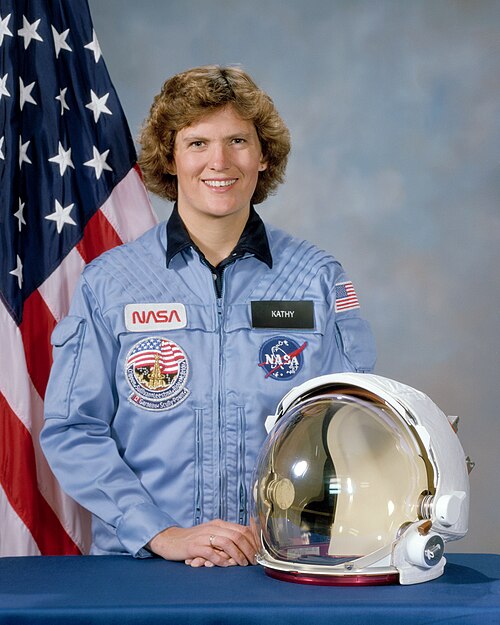
Famous faces born the same year as you, or as the person you love.




In the nursery
What everybody named their baby
The Social Security Administration's top five names for babies born in 1951.
Girls
Boys
Type any name to see where it ranked among the top 1,000 names of 1951.
At the pictures
Now showing
Tonight · 1951
The hobby of the early '50s
Paint by number
Detroit's Palmer Paint Company sold paint-by-number kits under the Craft Master name, and they took off once Macy's in New York started selling them. Dan Robbins, the company designer who created them, said he got the idea from a story about Leonardo da Vinci giving his apprentices numbered patterns to paint. Palmer's yearly sales grew from about $200,000 to $20 million, and some 20 million kits sold in 1955 alone.
Down memory lane
How old you were when…
The big moments, marked by birthdays.
On October 4, the Soviet Union launched the first satellite, a 22-inch sphere that circled the Earth every 96 minutes.
About 73 million Americans tuned in on February 9.
Apollo 11 landed on July 20.
The 26th Amendment lowered the voting age to 18 in 1971, so every 1951 baby could vote on November 7, 1972.
It opened on May 25, with the class of '51's Mark Hamill as Luke Skywalker.
On June 18, the class of '51's Sally Ride became the first American woman in space, aboard the shuttle Challenger.
On November 4, he became the first Black American elected to the office.
On July 4, the country marked 250 years since the Declaration of Independence, the same year the class of '51 turned 75.
Keepsake
Make it a keepsake
Everything on this page, with a name and birthday on the cover. Keep it for yourself, or give it to someone born in 1951. Fill in the cover to see how it looks.
Coming soon: order it as a print ready for framing, or as a digital download.
Sources for this guide
- Gasoline: U.S. Energy Information Administration, Monthly Energy Review Table 9.4
- Family income: U.S. Census Bureau, Historical Income Tables, Table F-7
- Postcard rates: USPS, Postcard Rates Since 1873
- Minimum wage: U.S. Department of Labor, history of federal minimum wage rates
- The Catcher in the Rye today: Hachette Book Group
- Baby names: Social Security Administration, Top 5 Names
- Births: U.S. Census Bureau, Statistical Abstract, Table HS-13
- Coast-to-coast TV: HISTORY.com
- Barbara Johns and the Moton walkout: Library of Virginia
- Korean War armistice: National Archives
- Harry and Harriette Moore: U.S. Department of Justice, Civil Rights Division