Take a trip back to1941What the world was like the year you were born
Pearl Harbor, and a country at war
Early on Sunday morning, December 7, Japanese planes attacked the U.S. Pacific Fleet at Pearl Harbor in Hawaii. The attack killed 2,403 Americans and damaged all eight battleships in the harbor, sinking four. The next day, President Roosevelt called December 7 "a date which will live in infamy," and Congress declared war on Japan. On December 11, Germany and Italy declared war on the United States, and Congress answered the same day.
Lend-Lease becomes law
On March 11, Roosevelt signed the Lend-Lease Act, which let the U.S. send weapons, food, and fuel to Britain and other countries fighting the Axis. By the end of the war, about $50 billion in supplies had gone out under the program.
A draft extension passes by one vote
Men drafted in 1940 had signed up for twelve months. On August 12, the House voted 203 to 202 to keep them in uniform for up to 18 months more, and Roosevelt signed the extension on August 18.
The carving stops at Mount Rushmore
Work on Mount Rushmore ended on October 31, after 14 years and about 400 workers. Sculptor Gutzon Borglum had died in March, and his son Lincoln finished the job as the money ran out. The mountain stands in the Black Hills, which are sacred to the Lakota and were taken from the Sioux Nation in the 1870s.
A march on Washington, called off
Defense plants were hiring again, but many wouldn't hire Black workers. A. Philip Randolph, who led the Brotherhood of Sleeping Car Porters, planned a march on Washington for July 1 to protest. On June 25, Roosevelt signed Executive Order 8802, banning discrimination in defense industries and the federal government, and Randolph called off the march. The armed forces stayed segregated until 1948.
Japanese Americans after Pearl Harbor
Starting on December 7, FBI agents, military officers, and police arrested Japanese immigrant community leaders in Hawaii and on the mainland. No proof of disloyalty was needed, and more than 1,200 were held within 48 hours. In 1942, the government forced about 120,000 people of Japanese descent from their homes into camps.
Summer of '41
A season for the record books
While war spread across Europe and Asia, fans followed two young stars chasing records. Major league baseball was still closed to Black players, who starred in the Negro leagues, and Jackie Robinson wouldn't break that line until 1947.
Joe DiMaggio's streak ran from May 15 to July 16. It ended the next night in Cleveland, where third baseman Ken Keltner made two backhanded stops.
That's 91 hits in 223 at-bats, and he struck out only seven times.
DiMaggio's former teammate died of ALS on June 2, less than three weeks into the streak.
Ted Williams won it for the American League on July 8 in Detroit with a three-run homer, two out in the bottom of the ninth.
He was at .39955 before a season-ending doubleheader in Philadelphia, played both games anyway, and went 6 for 8. No American or National League hitter has reached .400 since.
Whirlaway, ridden by Eddie Arcaro, won the Kentucky Derby, the Preakness, and the Belmont. His eight-length Derby win is still the record margin, shared with Assault.
What things cost
The price tags of 1941
What things cost in 1941, what that works out to in today's money, and what they actually cost now. Some kept pace with inflation, and some ran way ahead.
"In today's dollars" uses the Consumer Price Index (1941 average 14.7; 2024 average 313.7), about 21 times. Bread, milk, butter, and coffee are 1941 averages for 51 large cities from the Bureau of Labor Statistics, compared with BLS national averages for October 2026. 1941 gas is the Energy Department's national average, taxes included. Other sources: the Treasury's terms for Series E and Series EE savings bonds, USPS postcard rates, and the AAA national gas average.
In the nursery
What everybody named their baby
The Social Security Administration's top five names for babies born in 1941.
Girls
Boys
Type any name to see where it ranked among the top 1,000 names of 1941.
At the pictures
Now showing
Tonight · 1941
The craze of the year
Superheroes on the newsstand
The first issue of Captain America Comics, dated March 1941, showed its hero punching Hitler on the cover months before the U.S. went to war, and it sold close to a million copies. Wonder Woman made her debut in All Star Comics that October, and Archie Andrews showed up in an issue of Pep Comics dated December 1941. Most comic books cost a dime.
On the air
Turn the dial
Turn the knob, or tap a song, to tune in the radio that year.
Turn to tune
A 30-second preview from Spotify. It loads only when you tap.
On the radio
On the radio dial
Born the same year
The class of '41
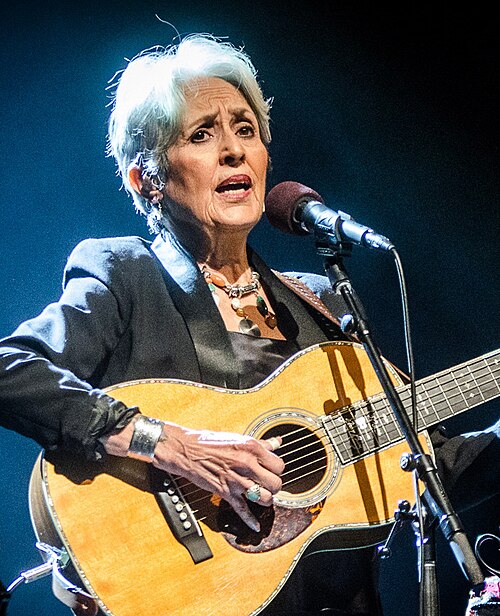
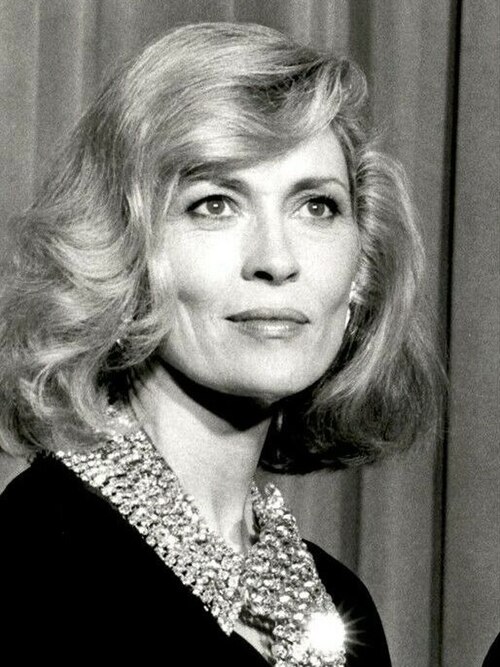
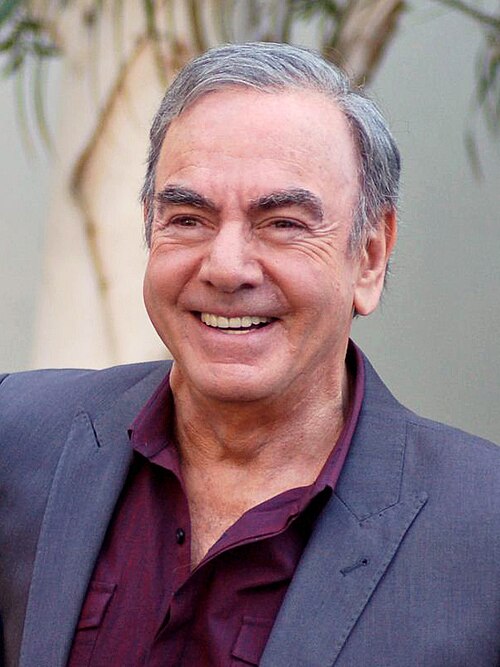
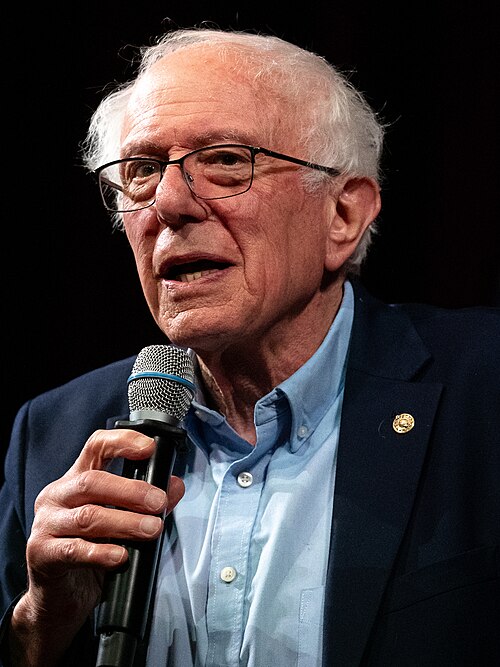
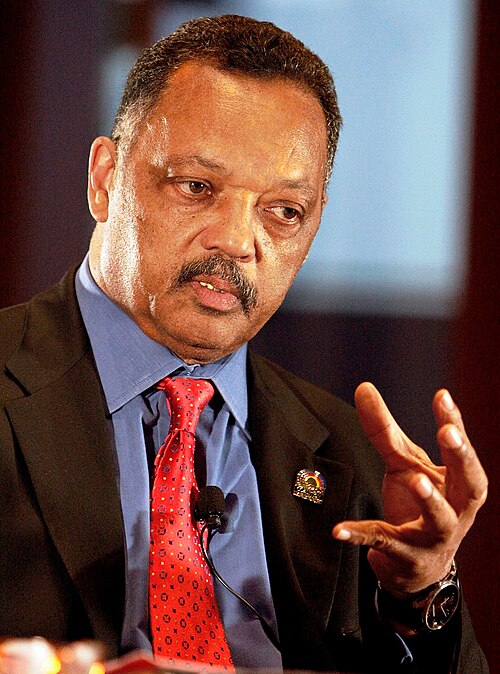
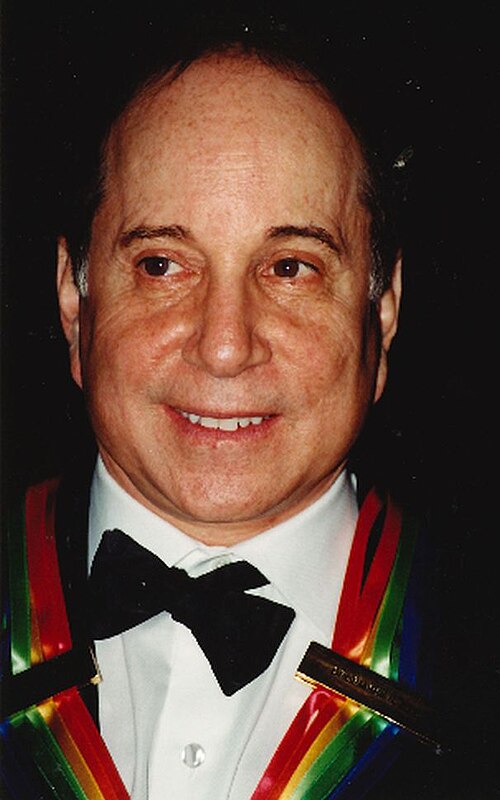
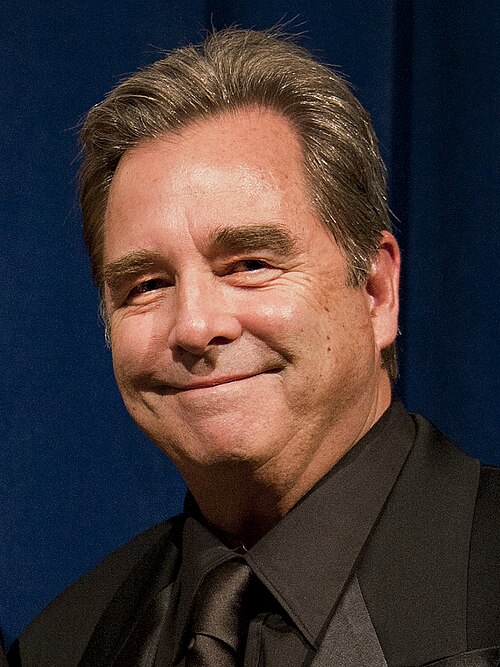
Famous faces born the same year as you, or as the person you love.
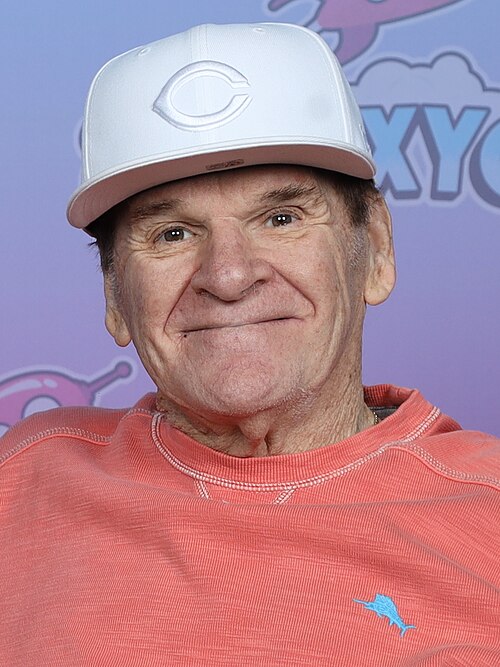

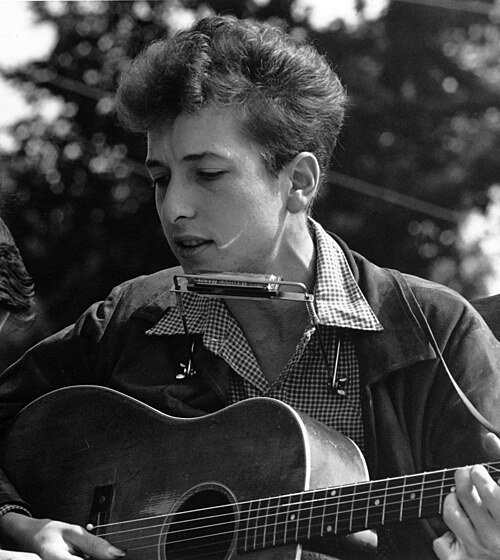
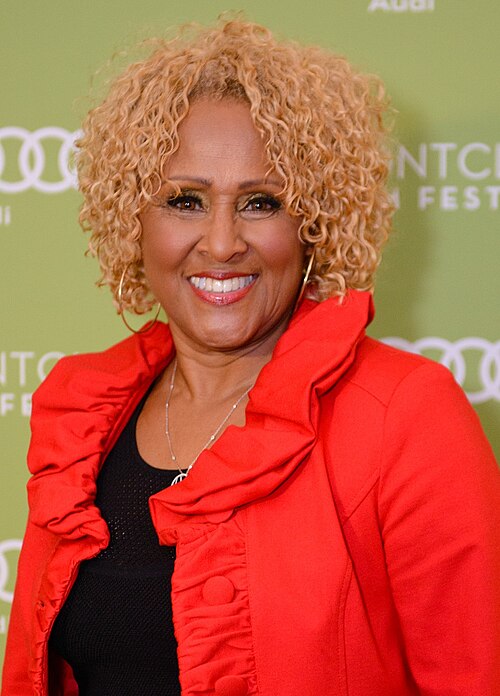
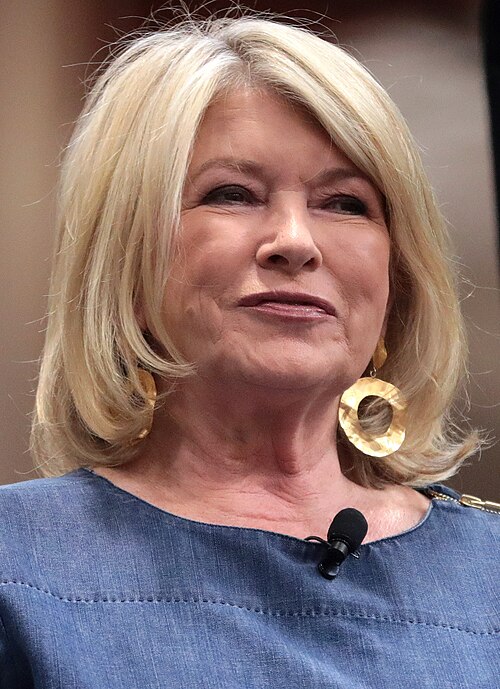




Down memory lane
How old you were when…
The big moments, marked by birthdays.
President Truman announced Japan's surrender on the evening of August 14, and the formal signing came on September 2.
Charles Schulz's comic strip first ran on October 2, in seven newspapers.
On April 12, Jonas Salk's vaccine was declared safe and effective.
About 60 million people watched his first appearance on September 9.
For most 1941 babies, the November race between Lyndon Johnson and Barry Goldwater was the first presidential election they could vote in.
Apollo 11 lands on July 20.
On September 11 in Cincinnati, a fellow member of the class of '41 got his 4,192nd hit, the most in major league history.
The Swedish Academy announced on October 13 that Dylan, another classmate from 1941, had won the Nobel Prize in Literature.
Keepsake
Make it a keepsake
Everything on this page, with a name and birthday on the cover. Keep it for yourself, or give it to someone born in 1941. Fill in the cover to see how it looks.
Coming soon: order it as a print ready for framing, or as a digital download.
Sources for this guide
- Births: National Center for Health Statistics, live births adjusted for underregistration
- Baby names: Social Security Administration, Top 5 Names
- Consumer Price Index: Federal Reserve Bank of Minneapolis, CPI 1913–
- 1941 food prices: Bureau of Labor Statistics, Retail Prices of Food and Coal, 1941 (Bulletin 707)
- Food prices today: Bureau of Labor Statistics, average price data
- 1941 gasoline: U.S. Department of Energy, Fact #915, average historical annual gasoline pump price (archived)
- Gas today: AAA national average
- Postcard rates: USPS, Rates for Stamped Cards and Postcards
- Savings bonds today: TreasuryDirect, EE bonds
- The draft extension vote: Voteview, 77th Congress, House roll call 63
- Executive Order 8802: Roy Rosenzweig Center for History and New Media, Histories of the National Mall
- Arrests of Japanese Americans: Go For Broke National Education Center, 1941 timeline
- DiMaggio's streak: National Baseball Hall of Fame